Occupy Cinema › Craft
Hollywood Reclaims the Set: Why Blockbusters Are Abandoning the Digital Void
After years of actor fatigue and inflated visual effects budgets, major studio tentpoles are turning back to practical set construction and legacy craft techniques.
By Occupy Cinema ·
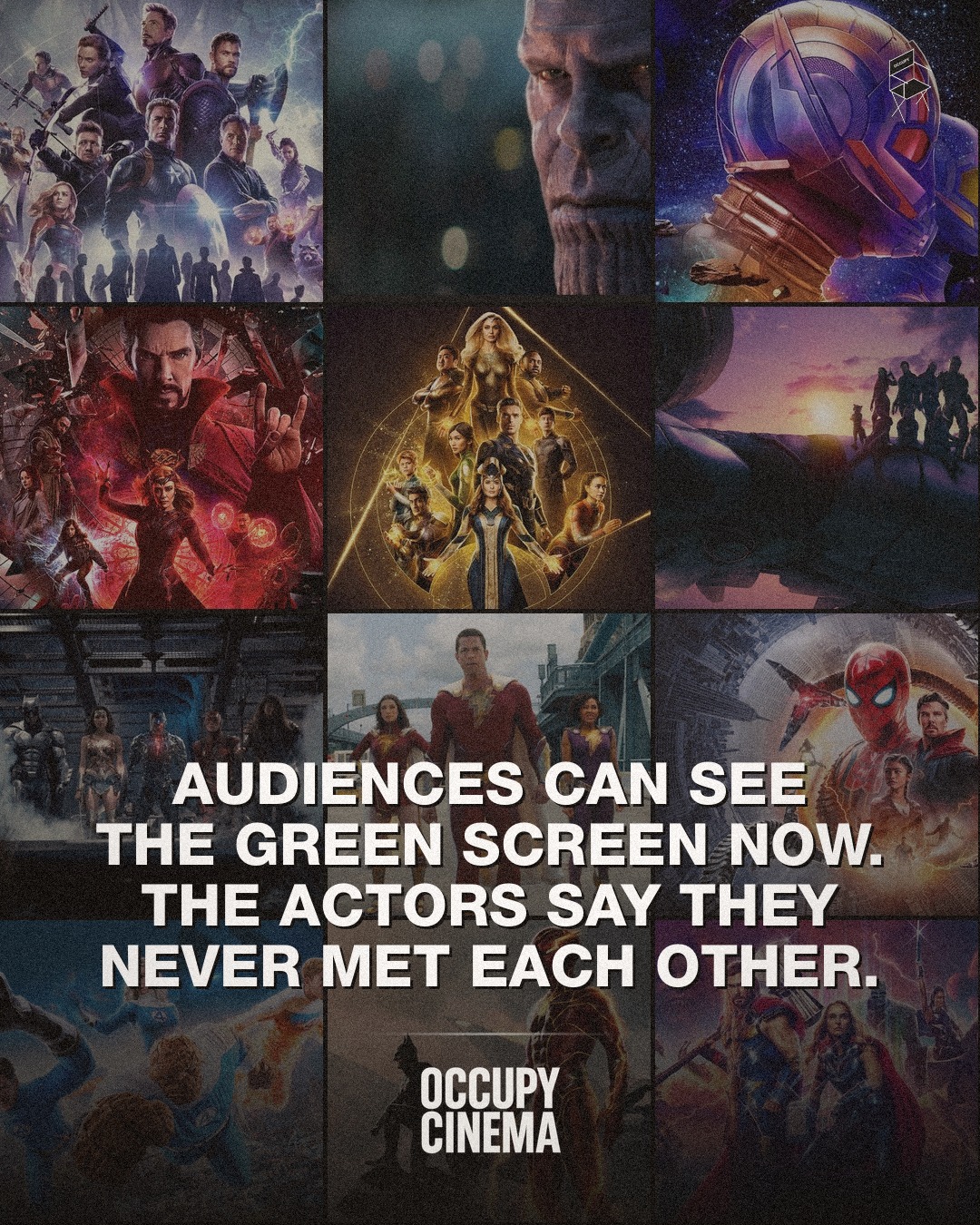
Hollywood has reached a tipping point with the digital void. For more than fifteen years, major studios poured hundreds of millions of dollars into green screen environments, trading tangible set architecture for post-production flexibility. The results were predictable. Audiences grew numb to floaty digital backdrops, while performers openly voiced their frustration with acting inside empty rooms. Now, a massive structural shift is underway across the entertainment industry as productions abandon total visual effects reliance in favor of physical sets, painted backings, and practical stunts.
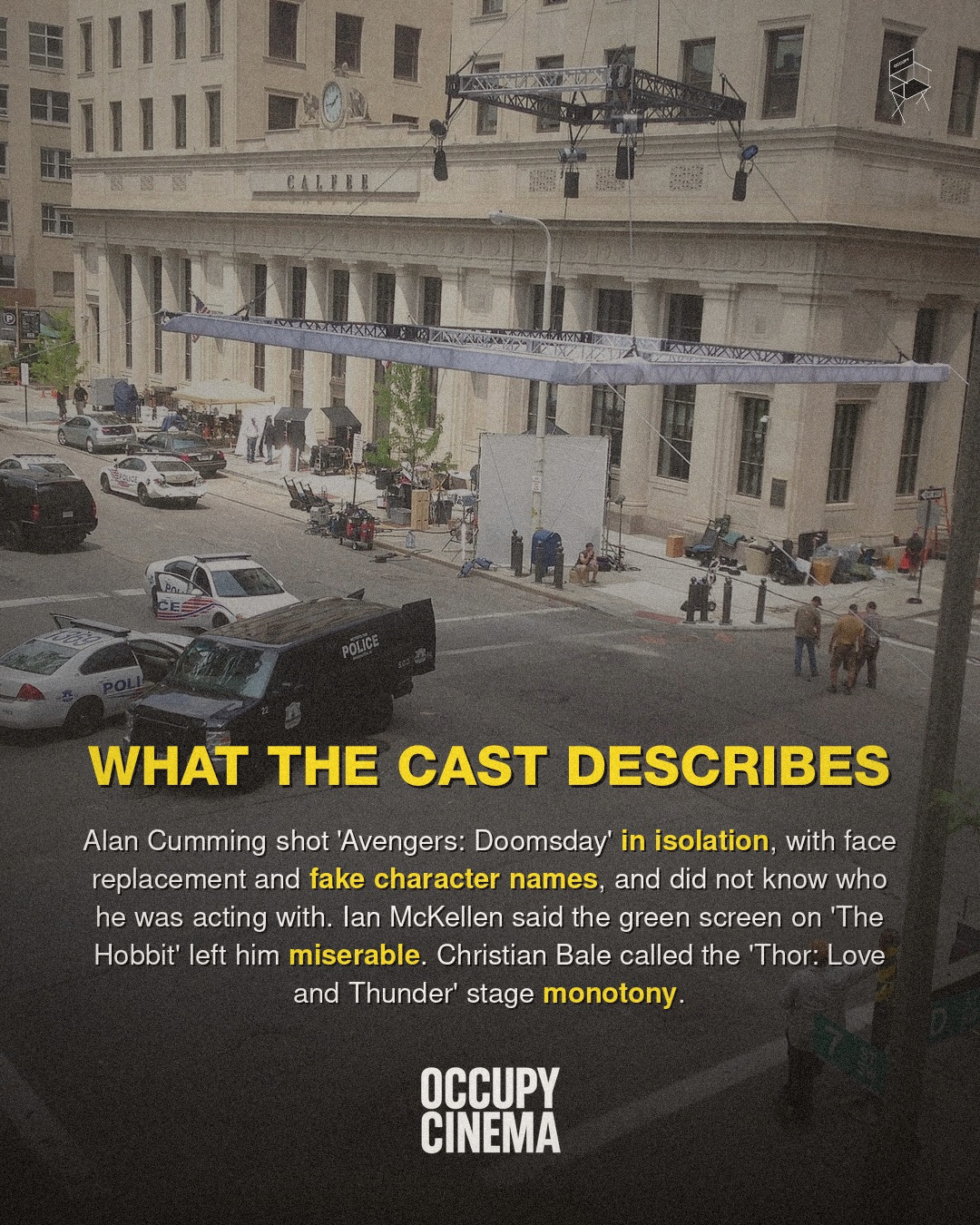
The discontent among top tier talent has been building for years. Sir Ian McKellen publicly described the isolated green screen shoots for The Hobbit trilogy as miserable, famously noting that acting against colored walls was not why he entered the profession. Years later, Christian Bale echoed those exact sentiments when describing his experience on Marvel Studios' Thor: Love and Thunder, calling the green screen stage the absolute definition of monotony. When performers spend months acting alongside tennis balls on sticks, the resulting footage lacks the subtle, instinctual friction that defines great cinema.
The Cost of Digital Voids
The retreat from virtual spaces is driven as much by finances as by aesthetics. Over-reliance on visual effects houses created a logistics crisis across major studio slates. Industry reporting from The Hollywood Reporter has frequently detailed how post-production visual effects pipelines became overloaded with late stage redesigns, ballooning budgets past three hundred million dollars per tentpole. Fixing everything in post proved to be an unsustainable production model that burned out visual artists and yielded muddy, flat lighting on screen.
By contrast, practical cinema has repeatedly proven its box office resilience. Director Christopher Nolan built his entire career on the principle that physical scale creates unmatched cinematic tension. His relentless commitment to real sets, practical miniatures, and full scale explosions on films like Oppenheimer demonstrated that global audiences will flock to theaters for tactile event cinema. Box office analysis at Deadline consistently highlights how audiences respond to tangible craftsmanship over synthetic digital spectacles.
Reclaiming Craft on the Soundstage
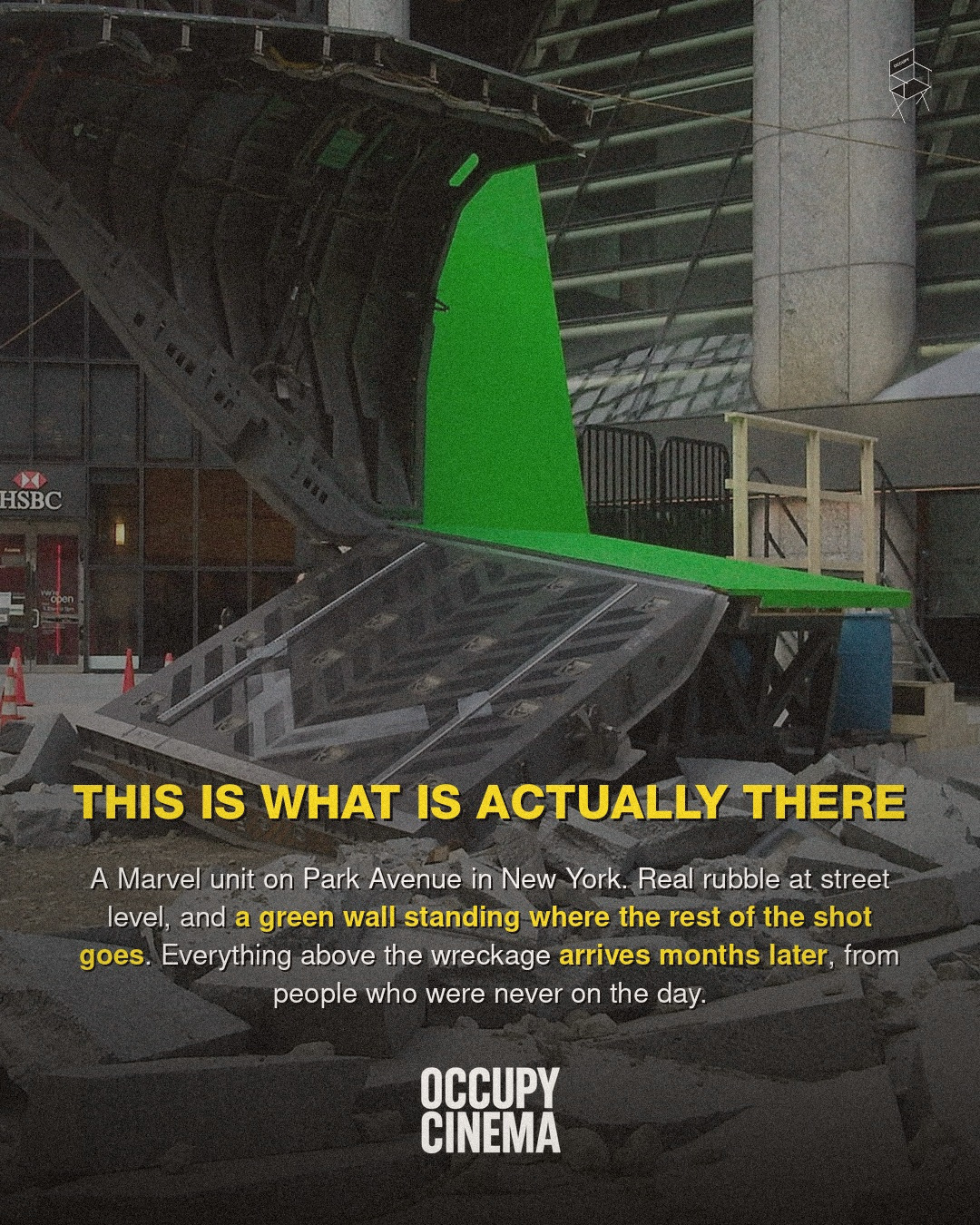
Now, mainstream franchise filmmaking is quietly adopting these legacy techniques once again. Production design departments are re-evaluating workflow models from the pre-digital era. Instead of surrounding actors with glowing blue walls and relying on digital sky replacements, productions are returning to traditional painted backings and constructed interiors. Physical set construction forces directors and cinematographers to make clear decisions on camera placement before principal photography begins, drastically reducing expensive post-production churn.
The benefits extending to the screen are immediate. Practical sets allow real light to spill naturally across actors and physical costumes. Stunt performers can react to authentic terrain rather than jumping across padded green blocks. Even fantasy and comic book properties are recognizing that grounding outlandish characters within physical geometry yields a far more convincing visual experience for the viewer.
The cinematic landscape is not discarding digital technology outright; rather, it is recalibrating its proper place in the filmmaker's toolbox. Visual effects are returning to their intended role as an enhancement tool rather than a crutch for missing production design. As studio executives weigh rising production budgets against audience fatigue, the return to tangible, physical filmmaking represents both a creative revival and a sound business strategy for the future of blockbusters.



Related reading: Sound Design (Sonnenschein).