Occupy Cinema › Box Office
Summer Box Office Shatters Records, But Nuance Lingers
The latest summer movie season closed with a staggering $4.761 billion in North American receipts, surpassing a decade-old benchmark. Yet, a closer look at the numbers reveals a more complex narrative behind the headlines.
By Occupy Cinema ·
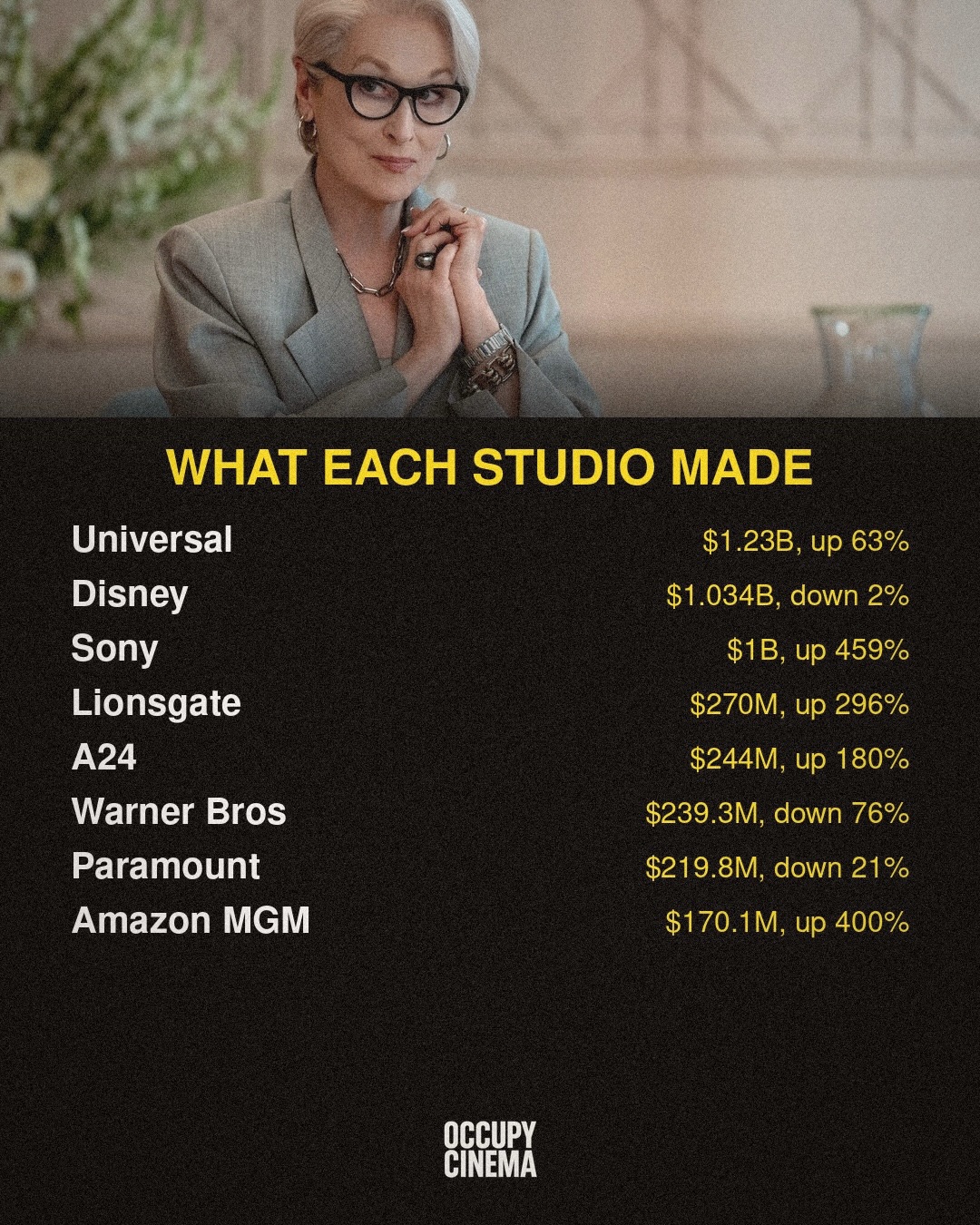
The North American summer box office has officially concluded, delivering a record-setting performance that has Hollywood buzzing. Total receipts reached an unprecedented $4.761 billion, marking the highest gross for a summer season to date. This figure eclipses the previous record set in 2013, signaling a robust return for theatrical exhibition following several challenging years. Universal Pictures led the charge among studios, contributing a remarkable $1.23 billion to the overall tally, showcasing the power of a well-executed slate.
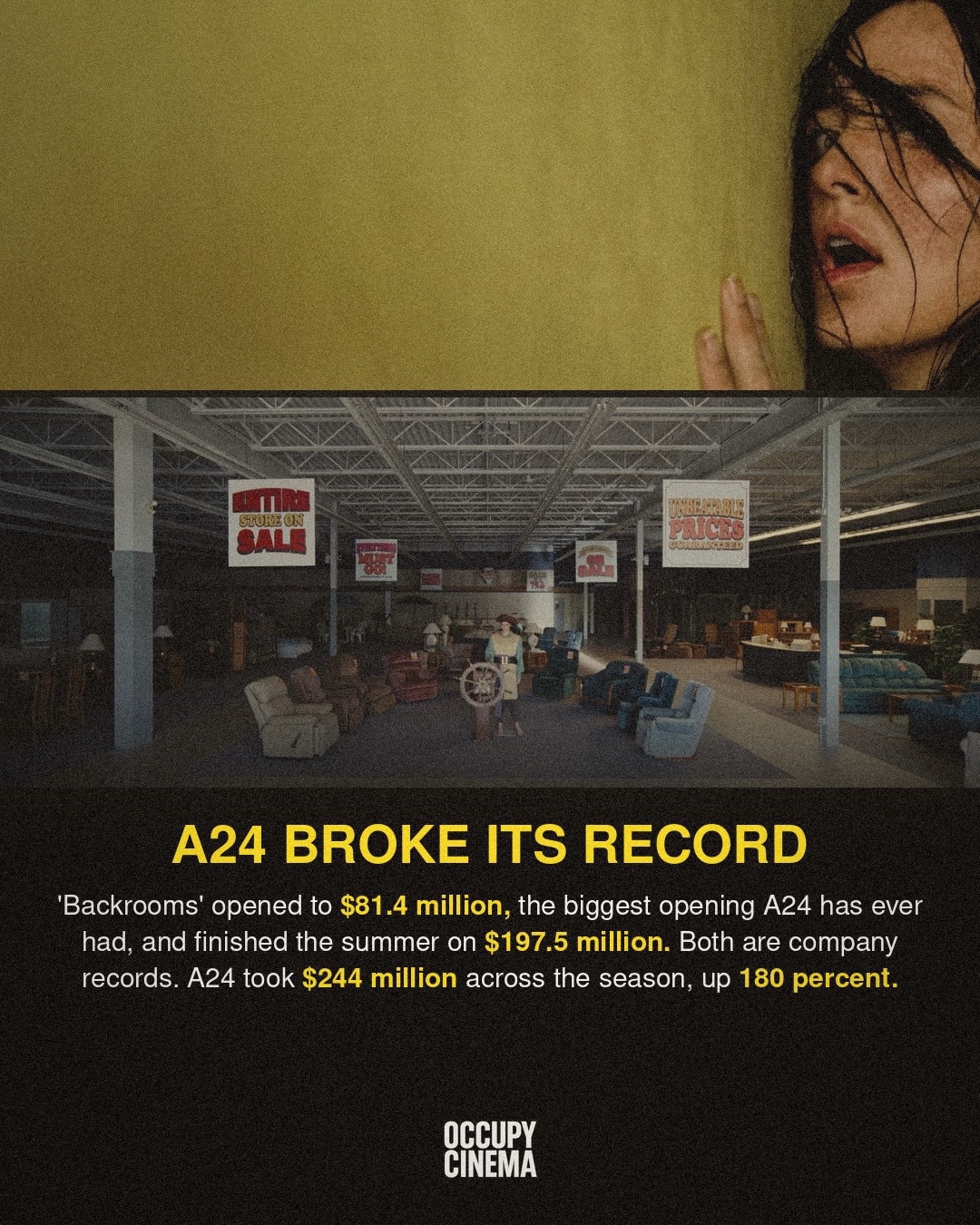
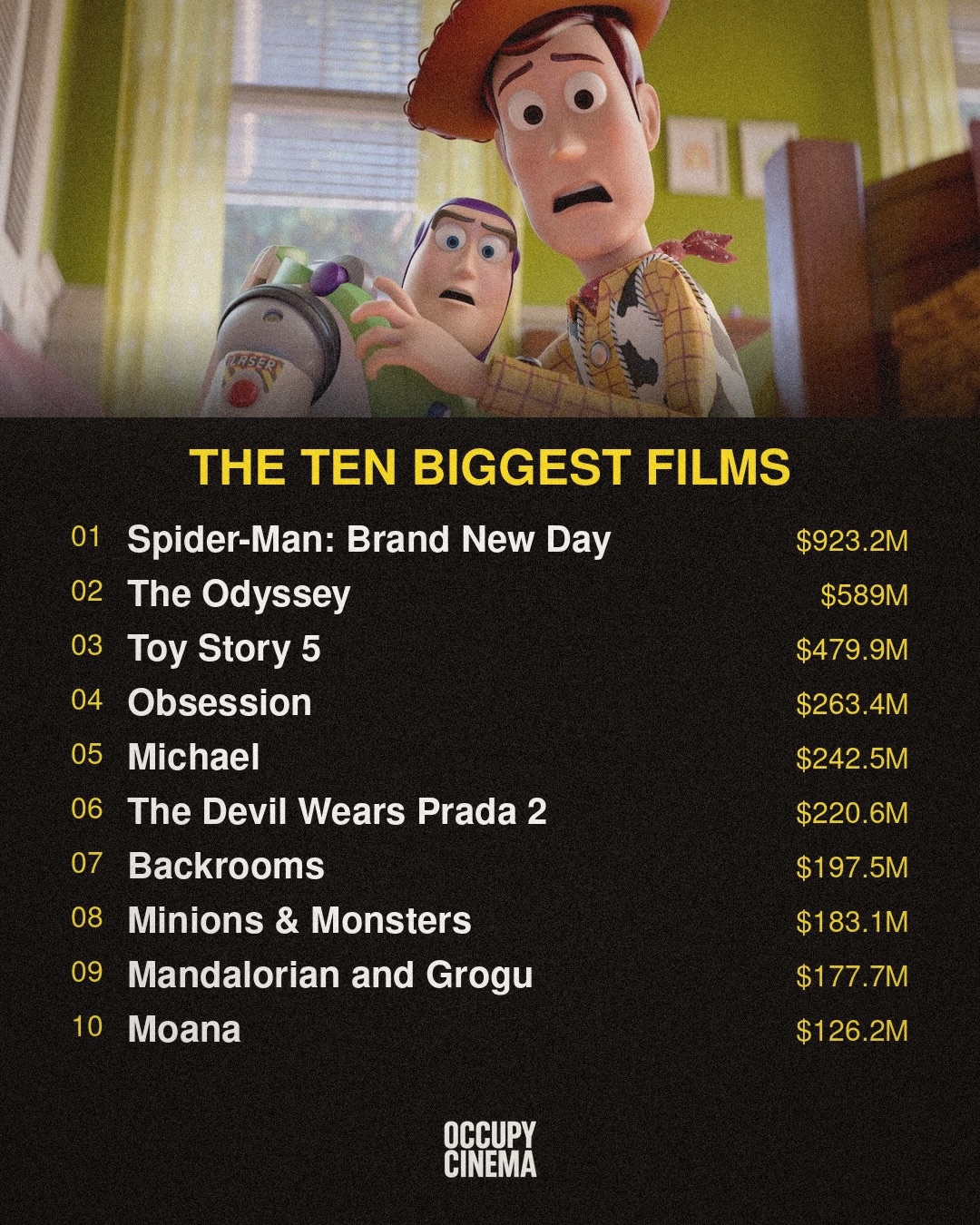
Driving much of this success was a handful of tentpole releases. Topping the individual film charts, 'Spider-Man: Brand New Day' amassed a colossal $923.2 million, positioning it tantalizingly close to the all-time North American record, a mere $13.4 million shy. Its performance underscores the enduring appeal of established franchises and superhero narratives. Beyond the studio giants, independent distributor A24 also celebrated a banner season, with its film 'Backrooms' breaking company records for both domestic and worldwide gross, an impressive feat for a distributor often associated with more niche, critically acclaimed fare. This demonstrates a broadening audience appetite beyond traditional blockbuster offerings.
Dissecting the Record: Beyond the Raw Numbers
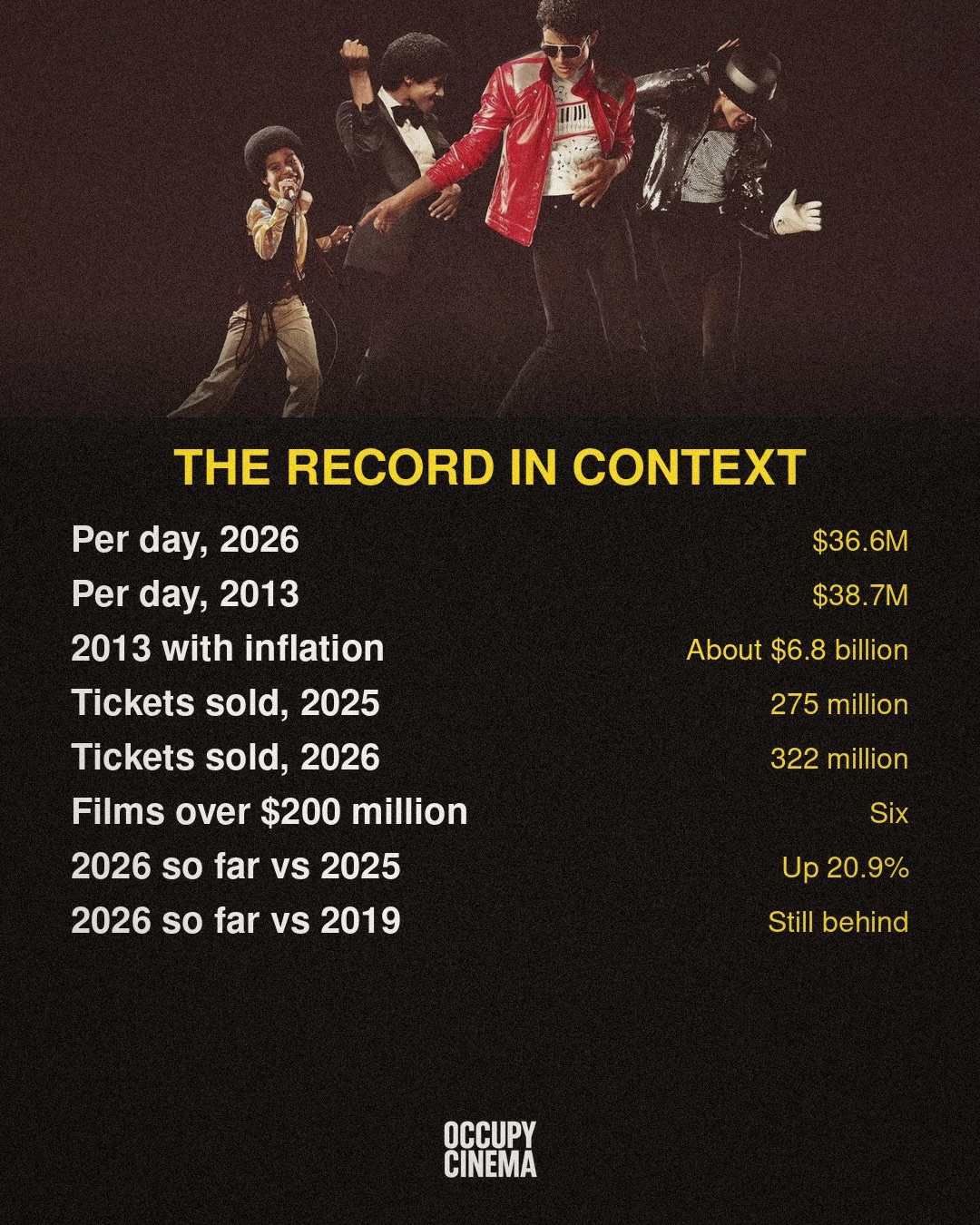
While the headline number is undeniably impressive, a deeper dive into the metrics reveals a more nuanced picture. This record-breaking summer spanned 130 days, a full week longer than the 2013 season, which ran for 123 days. Consequently, while the raw total is higher, the daily average for 2013 still outpaces the current season. Factoring in inflation further complicates the comparison; the 2013 total, adjusted for today's dollar, would approach an estimated $6.8 billion, dwarfing the current record. This suggests that while attendance has rebounded, the industry's purchasing power may not have kept pace with previous peak periods.
The increase in ticket sales also merits examination. This summer saw approximately 322 million tickets sold, a notable jump from the 275 million tickets sold during the 2013 period. This surge in volume, coupled with rising average ticket prices, contributed significantly to the overall revenue. However, the disparity between raw gross and inflation-adjusted figures highlights a persistent challenge for exhibitors and studios: generating equivalent value from a larger volume of sales. The theatrical model continues to evolve, with premium formats and dynamic pricing playing an increasingly crucial role in boosting per-ticket revenue.
The Road Ahead for Theatrical Exhibition
The success of films like 'Spider-Man: Brand New Day' and 'Backrooms' points to divergent, yet equally viable, paths for cinematic success. The former reinforces the dominance of IP-driven blockbusters, particularly those with a built-in fanbase and multi-generational appeal. The latter, however, showcases the vitality of original storytelling and the ability of a focused marketing strategy to turn a perceived indie film into a commercial hit. A24's calculated risks often pay off, cultivating a loyal audience eager for distinct cinematic experiences. Their consistent ability to find and amplify unique voices stands in contrast to the more homogenized studio slate. Variety's box office analysis frequently tracks these trends, highlighting the ebb and flow of different film types.
This summer's performance offers a much-needed shot in the arm for an industry grappling with streaming shifts, production delays, and changing consumer habits. The strong showing indicates that audiences are still willing to flock to cinemas for compelling content, particularly communal experiences. However, the underlying economic realities, including the impact of inflation and the extended release window, remain critical considerations. Studios will continue to strategize on release dates, marketing spend, and content diversification to maximize returns. The competition for audience attention is fiercer than ever, demanding innovative approaches to both filmmaking and distribution. For example, The Hollywood Reporter often covers how studios adjust their strategies based on these numbers.
The record-setting summer of 2024 is a testament to the resilience of the theatrical experience, but it is not without its caveats. While raw numbers paint a picture of triumphant resurgence, a closer inspection reveals an industry still navigating complex economic currents. The challenge now lies in translating this summer's momentum into sustained growth, ensuring that the magic of the big screen continues to captivate audiences in an increasingly fragmented entertainment landscape. The conversation around attendance versus actual buying power, and the impact of production schedules on release slates, will dominate industry discussions moving forward, as noted by reports from Deadline.