Occupy Cinema › Exhibition
The 600-Pound Film Print Proving Celluloid Still Rules the Box Office
Inside the high-stakes, 70mm IMAX exhibition strategy that is driving seven-week ticket sellouts across forty specialized theaters worldwide.
By Occupy Cinema ·
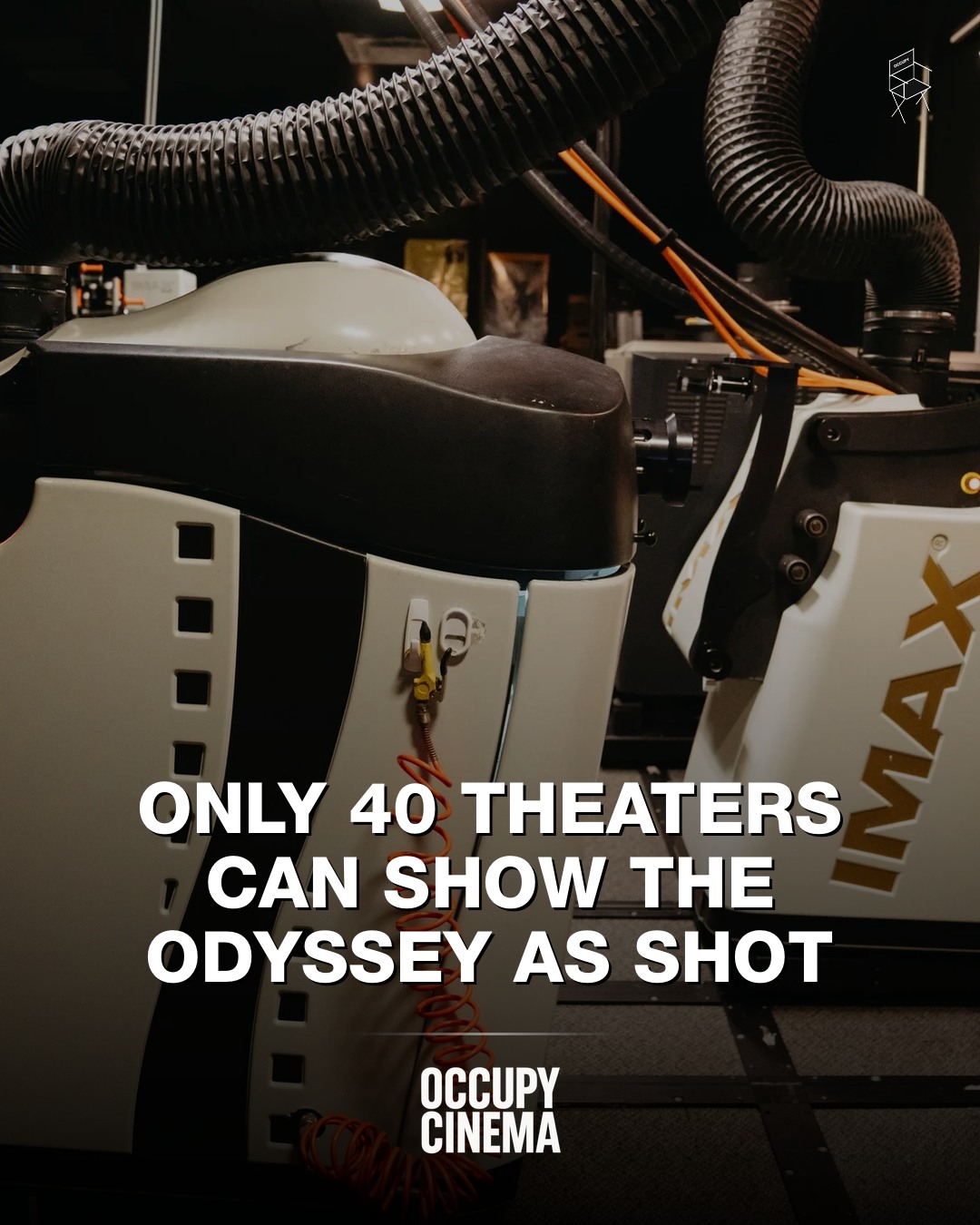
Exhibition logistics rarely drive the box office narrative, but physical film prints are currently rewriting the rules of modern movie distribution. Director Christopher Nolan has pushed analog celluloid projection back into the center of global cinema culture. The explosive demand for 15-perforation 70mm IMAX prints has turned specialty projection into high-yield event cinema. Ticket buyers are reserving seats seven weeks in advance across roughly forty qualified venues worldwide. What began as an auteur format preference has transformed into a vital financial engine for large-format theater owners.
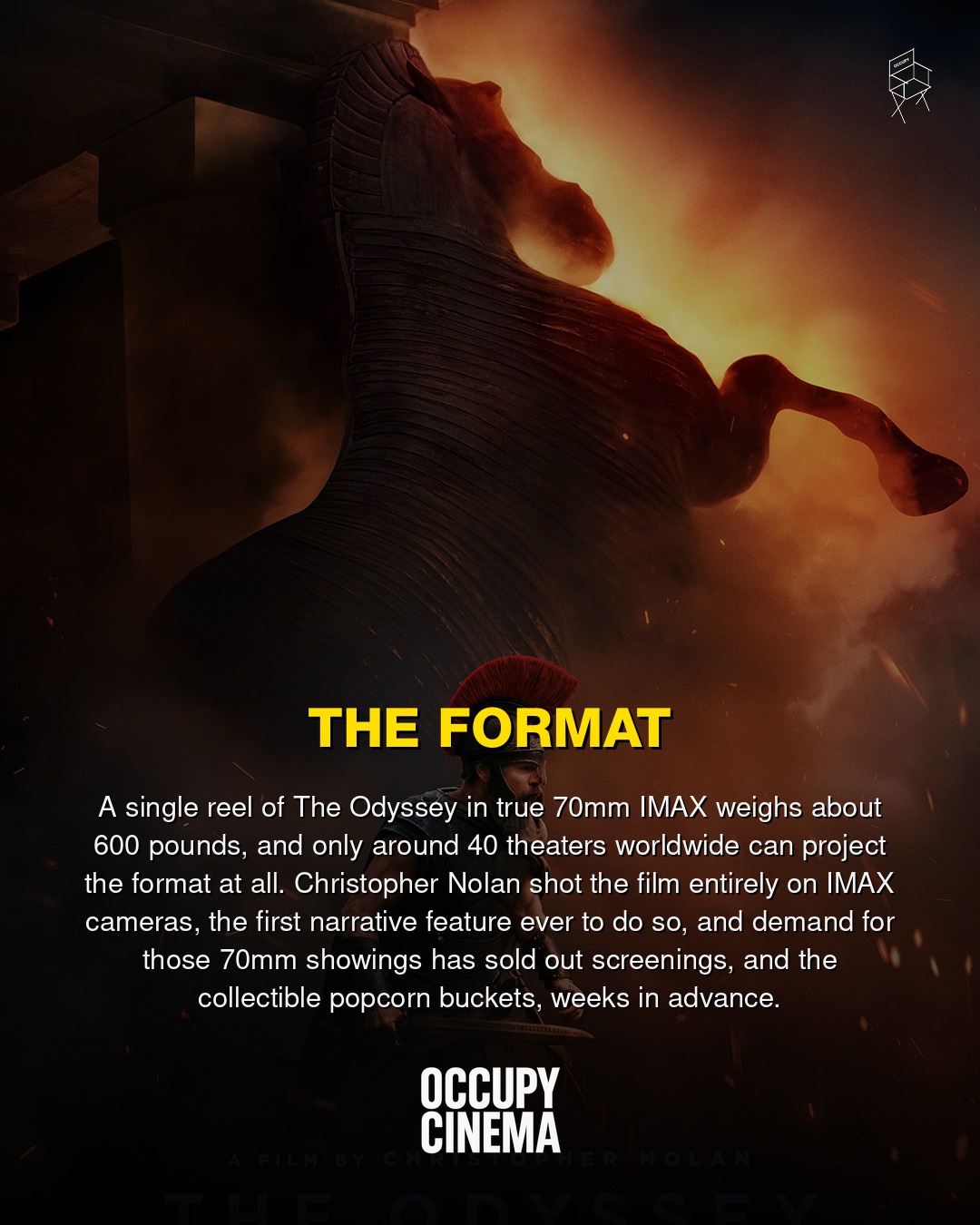
The sheer physical scale of a native 70mm IMAX print demands an operational infrastructure that most multiplexes abandoned decades ago. A single complete feature reel weighs approximately 600 pounds and contains up to eleven miles of physical film stock. Running these prints requires custom platter systems and seasoned projectionists trained to thread heavy stock through vacuum-assisted platters. Exhibitors willing to maintain these analog booths are reaping massive financial rewards, with premium ticket pricing holding steady through multi-week sold-out runs.
The Heavy Logistics of Native Large Format
Shooting an entire narrative feature with native IMAX film cameras presents extreme technical hurdles on set. The heavy 65mm camera bodies operate with loud internal transport movements, making sync-sound capture challenging during quiet dialogue scenes. Cinematographers and sound engineers must design specialized acoustic blimps or rely on precise post-production dubbing work. According to industry reporting from Variety, the visual resolution of native 15-perf film yields an equivalent detail level of up to 18K digital resolution, giving the final image unmatched depth and color latitude.
The financial return on these large-format engagements proves that audiences will pay top dollar for an unrepeatable theatrical event. During recent blockbuster rollouts, specialty IMAX 70mm screens generated massive percentages of total opening weekend grosses despite representing less than one percent of total domestic screen counts. As detailed by The Hollywood Reporter, flagship venues in New York, Los Angeles, London, and Melbourne continue to report record concession sales alongside full auditorium capacity.
Exhibition as Event Architecture
Digital cinema made studio distribution cheap and frictionless, yet it stripped away the tactile uniqueness of theatrical exhibition. Nolan's insistence on physical film forces exhibitors to treat screen time as a scarce commodity. By limiting genuine analog IMAX presentation to roughly forty international locations, the release model builds organic scarcity. Moviegoers routinely travel across state lines and international borders just to experience the uncompressed visual dynamic range of native analog projection.
This surge in analog attendance challenges the executive logic that digital streaming represents the sole future of movie viewing. While home platforms fight over subscription churn and basic multiplexes struggle with general attendance, event-level celluloid projection offers an uncopyable spectacle. The ticket sales confirm that physical projection and format authority still command unmatched cultural power.
The sellout success of 70mm IMAX projection is far more than simple movie nostalgia. It provides a proven business blueprint for keeping the theatrical ecosystem essential. When the physical presentation itself becomes the main attraction, cinema reclaims its status as an indispensable destination.

Related reading: Sound Design (Sonnenschein).