Occupy Cinema › FEATURED
The 'Obsession' Effect: How Micro-Budget Horror Hits Spawn Autonomous Directorial Debuts
From set photography to network acting, the creative network behind Curry Barker's breakout hit is turning guerrilla production into a self-sustaining pipeline.
By Occupy Cinema ·
Independent cinema has always relied on proximity and momentum. When an ultra-low-budget feature breaks out of the regional circuit and lands a major theatrical footprint, the financial return for the distributor is only part of the story. The real secondary yield is creative infrastructure. The recent trajectory of Curry Barker and his horror feature Obsession, which Focus Features picked up for a wide theatrical rollout on May 15, demonstrated how quickly a lean, inventive genre project can capture industry attention. Yet an equally compelling narrative is unfolding directly in the wake of that release. The satellite network of creatives surrounding Barker's set is already translating that operational energy into a new wave of self-driven features.
In traditional studio ecosystems, a breakout hit usually leads to a protracted cycle of development meetings, optioned scripts, and agency representation changes. In the guerrilla genre space, the response is far more immediate. Creatives who spent weeks working on set in high-stress, low-resource environments rarely wait around for green lights from legacy studios. They take the technical instincts, spatial awareness, and practical tricks learned on set and apply them directly to their own cameras. The result is a vibrant micro-budget ecosystem where crew members rapidly transition into primary creative leads, generating works that challenge traditional production models.
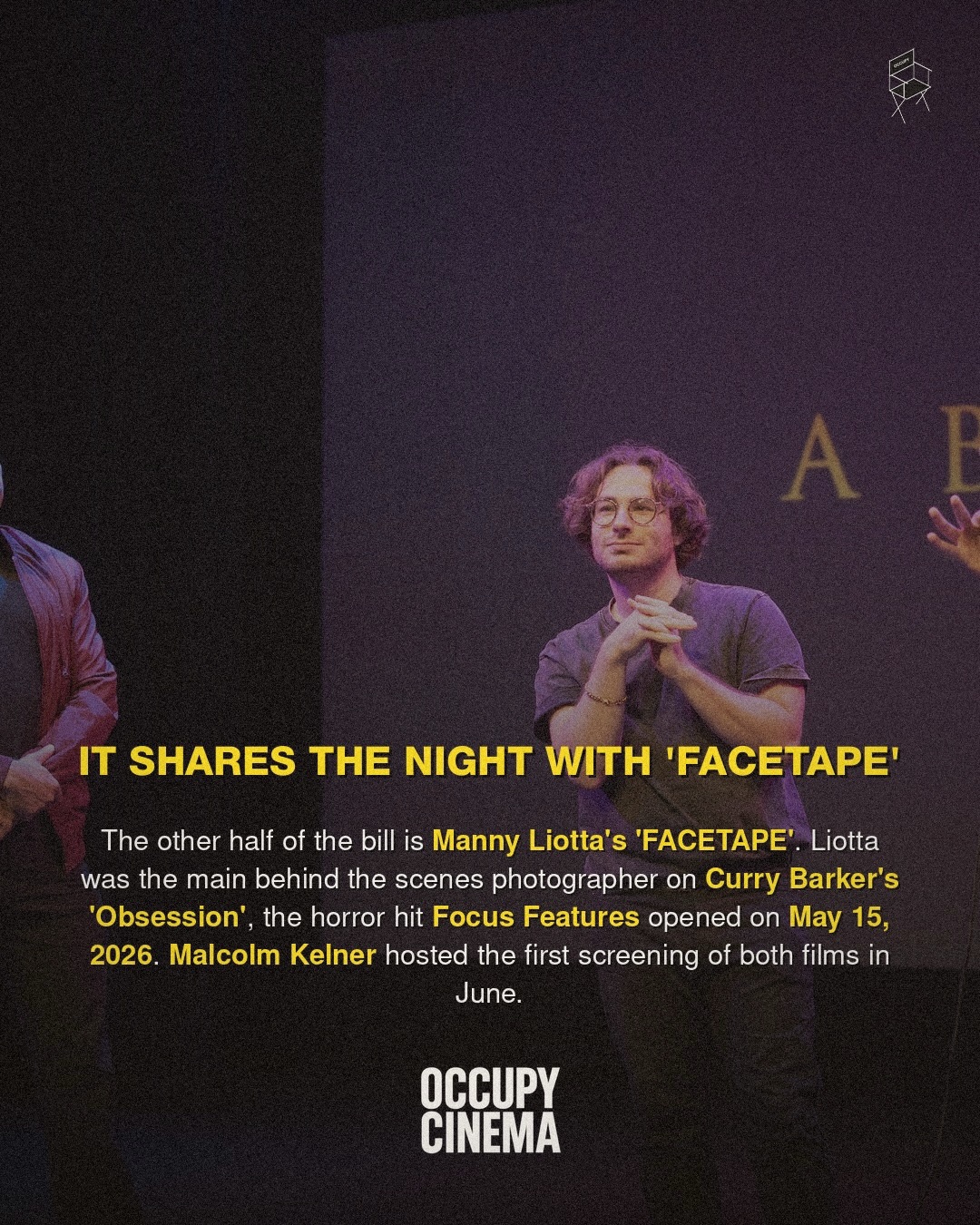
Consider Manny Liotta, who served as the behind-the-scenes stills photographer on Obsession. Documenting an ultra-lean production from the inside provides an unvarnished masterclass in practical filmmaking craft. A set photographer observes every lighting adjustment, every lens selection, every camera repositioning, and every last-minute compromise required to pull a scene together under tight schedule constraints. Liotta took those observed lessons directly into production on his own feature project, FACETAPE. By moving from behind the documentary lens into the director chair, Liotta demonstrates how technical proximity to low-budget filmmaking acts as an immediate catalyst for personal directorial work.
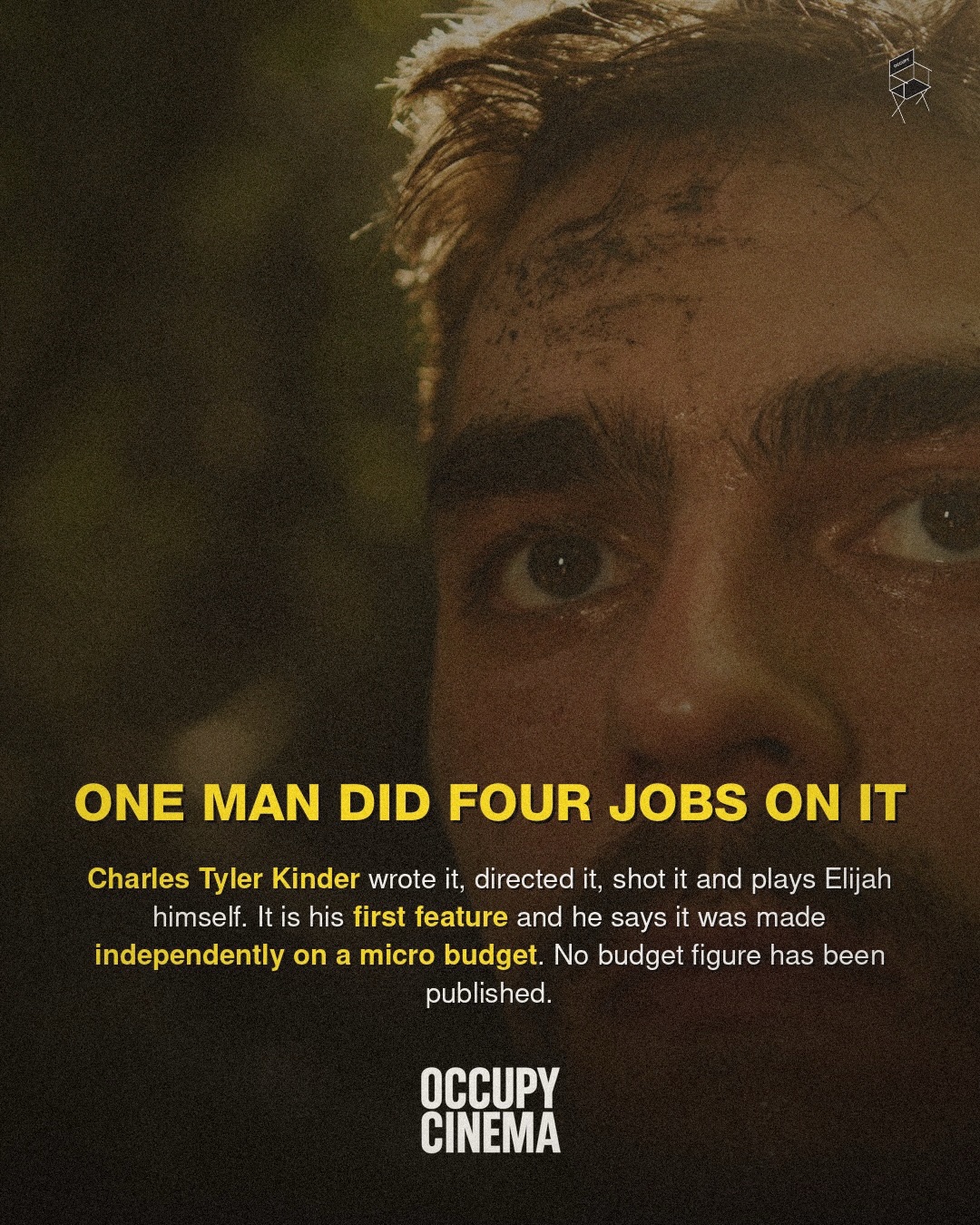
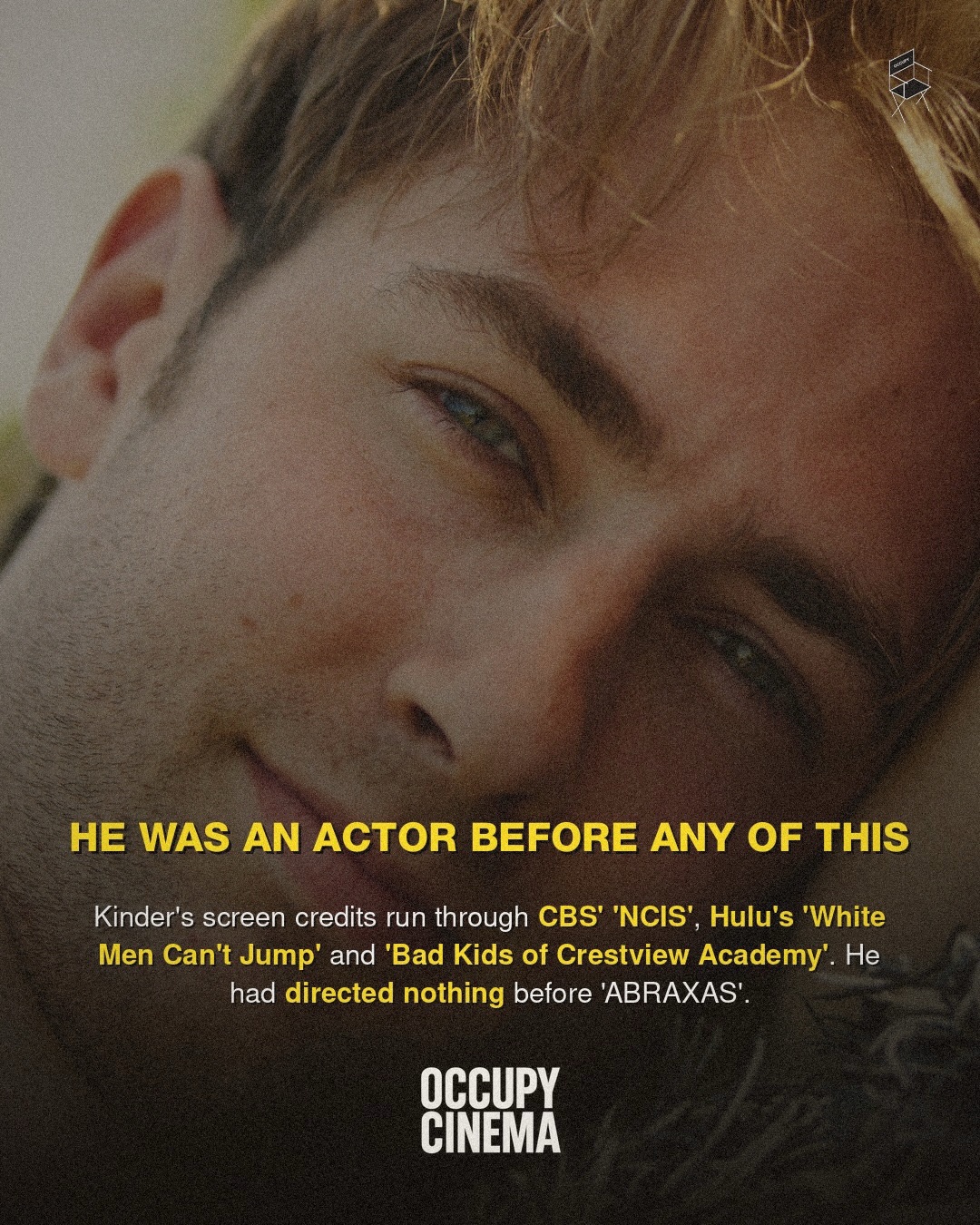
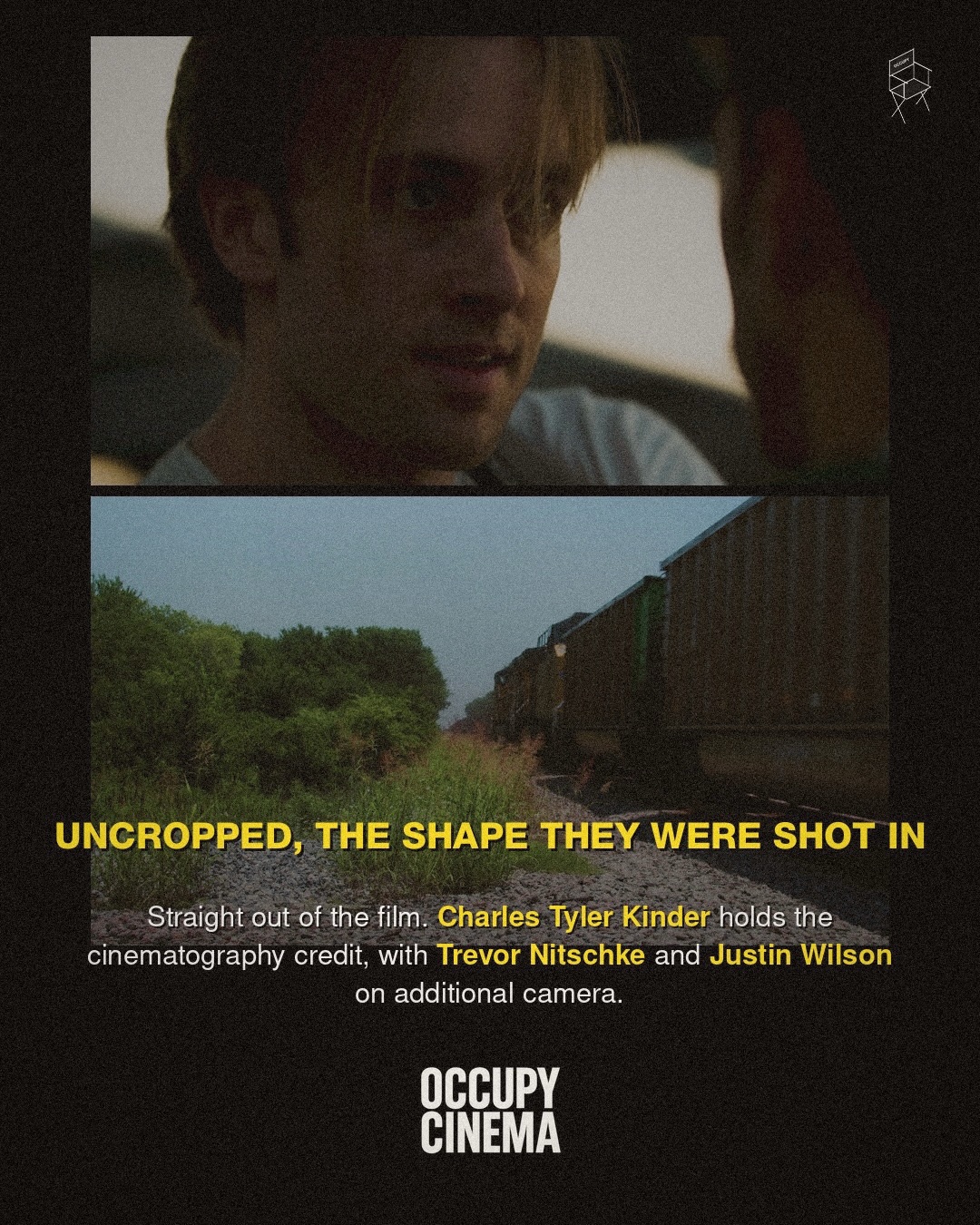
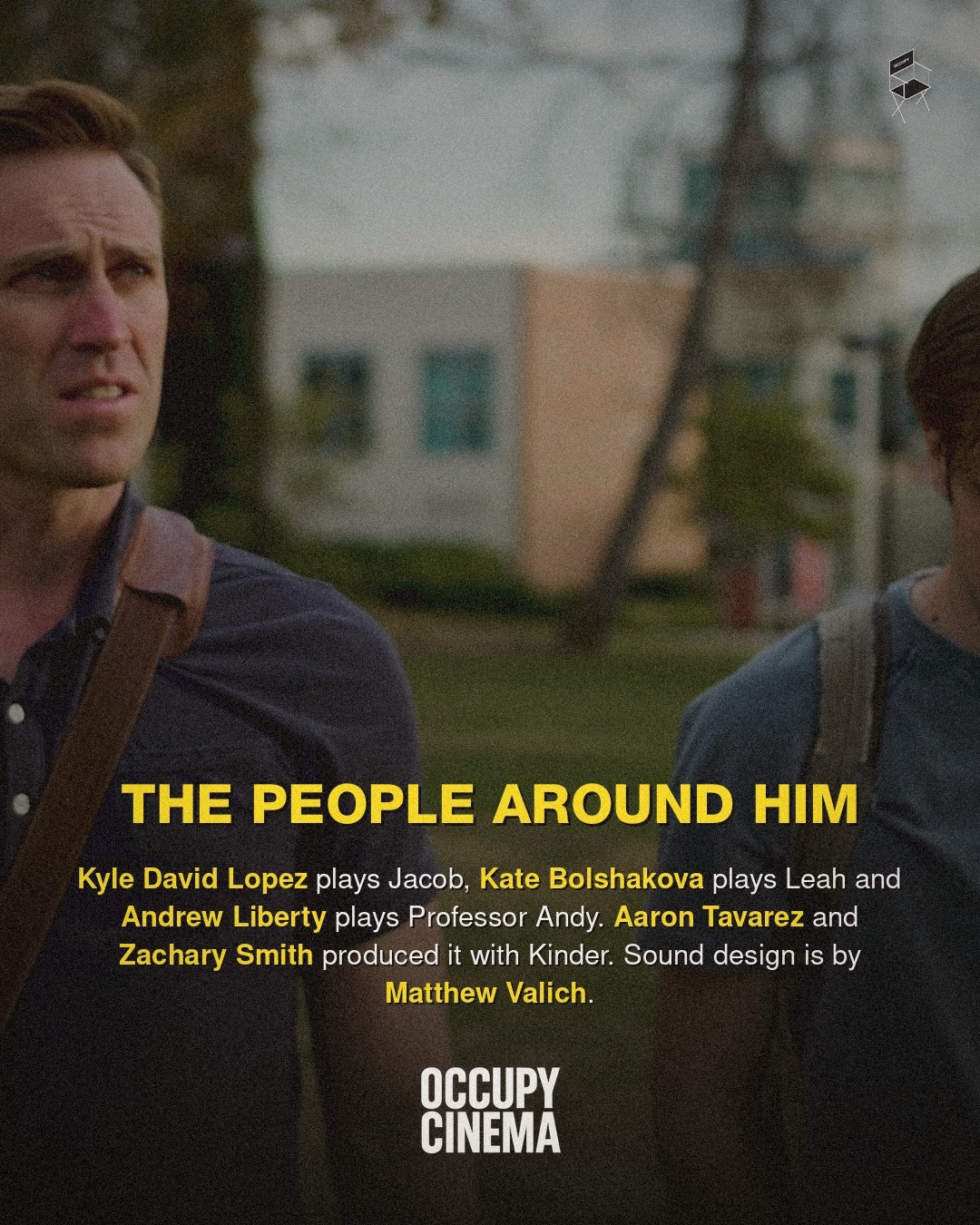
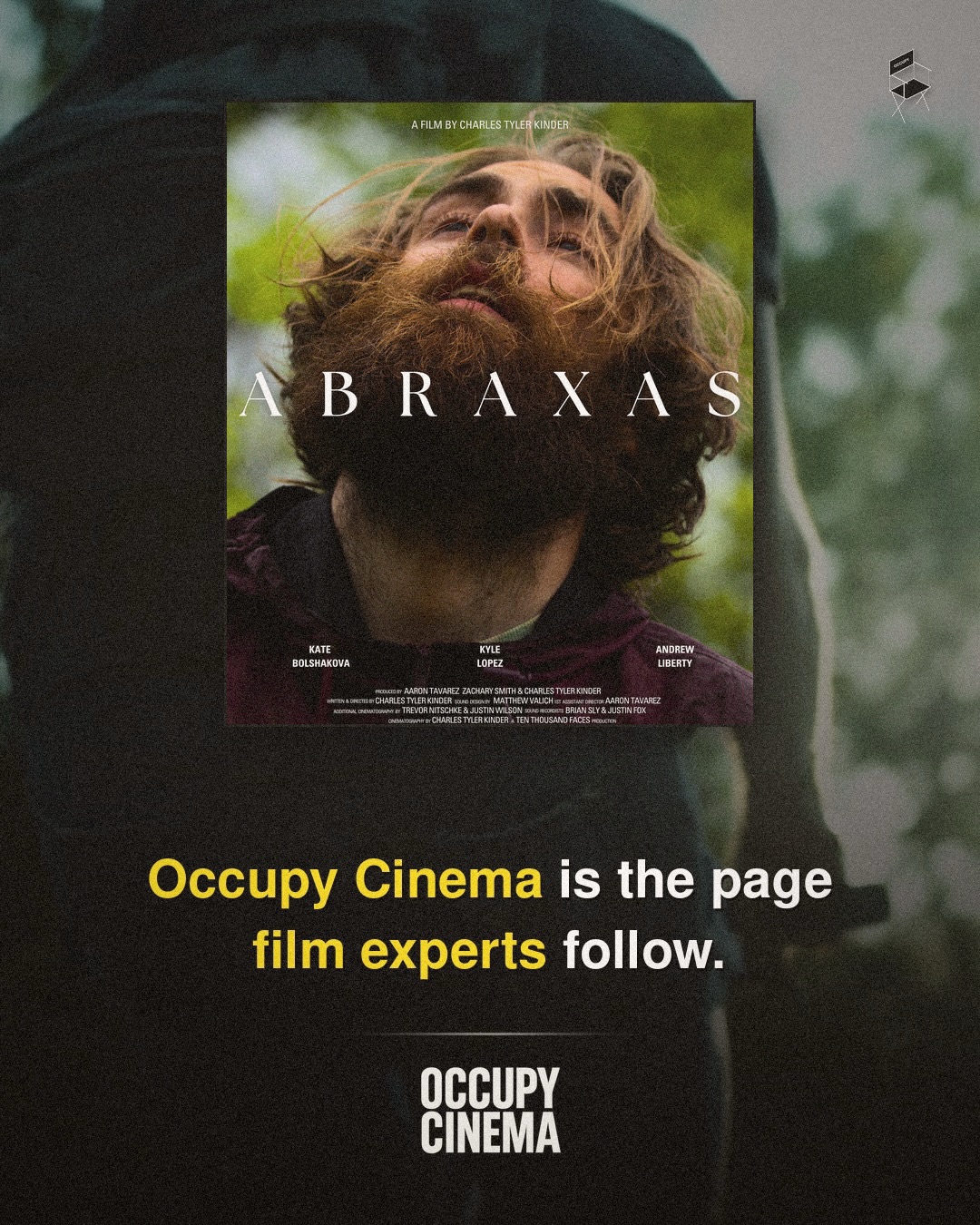
Running parallel to Liotta trajectory is Charles Tyler Kinder, whose feature film ABRAXAS offers a case study in multi-hyphenate auteurism. Before stepping behind the camera to direct, Kinder established himself as an actor on broadcast network television, including appearances on procedural staples like CBS's NCIS. While network television offers valuable experience with professional sets, the rigid structural demands of episodic television stand in stark contrast to the radical freedom of micro-budget filmmaking. Kinder elected to write, direct, shoot, and star in ABRAXAS, an 85-minute feature that showcases absolute control over every element of production and visual style.
The DIY Ecosystem and Grassroots Exhibition
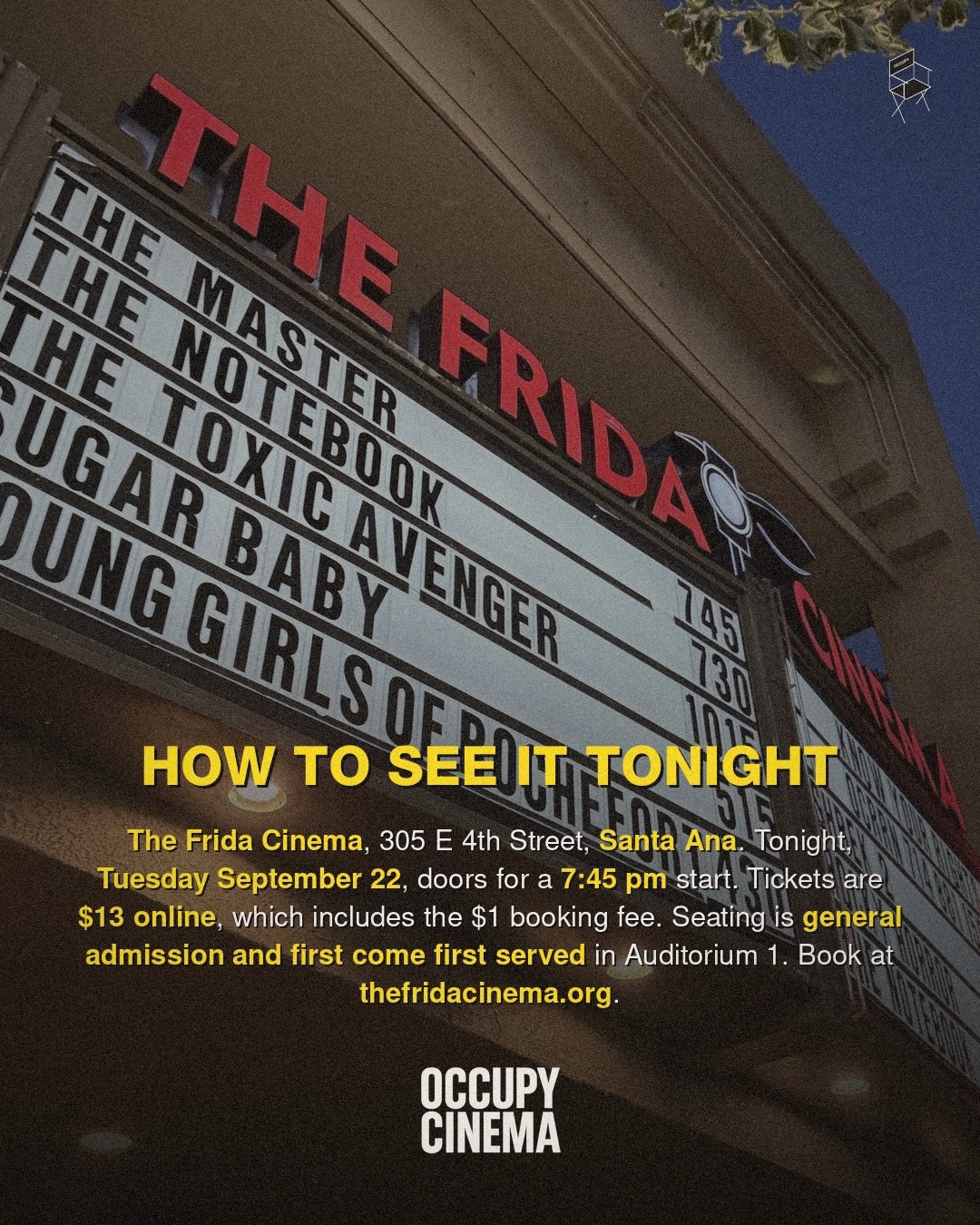
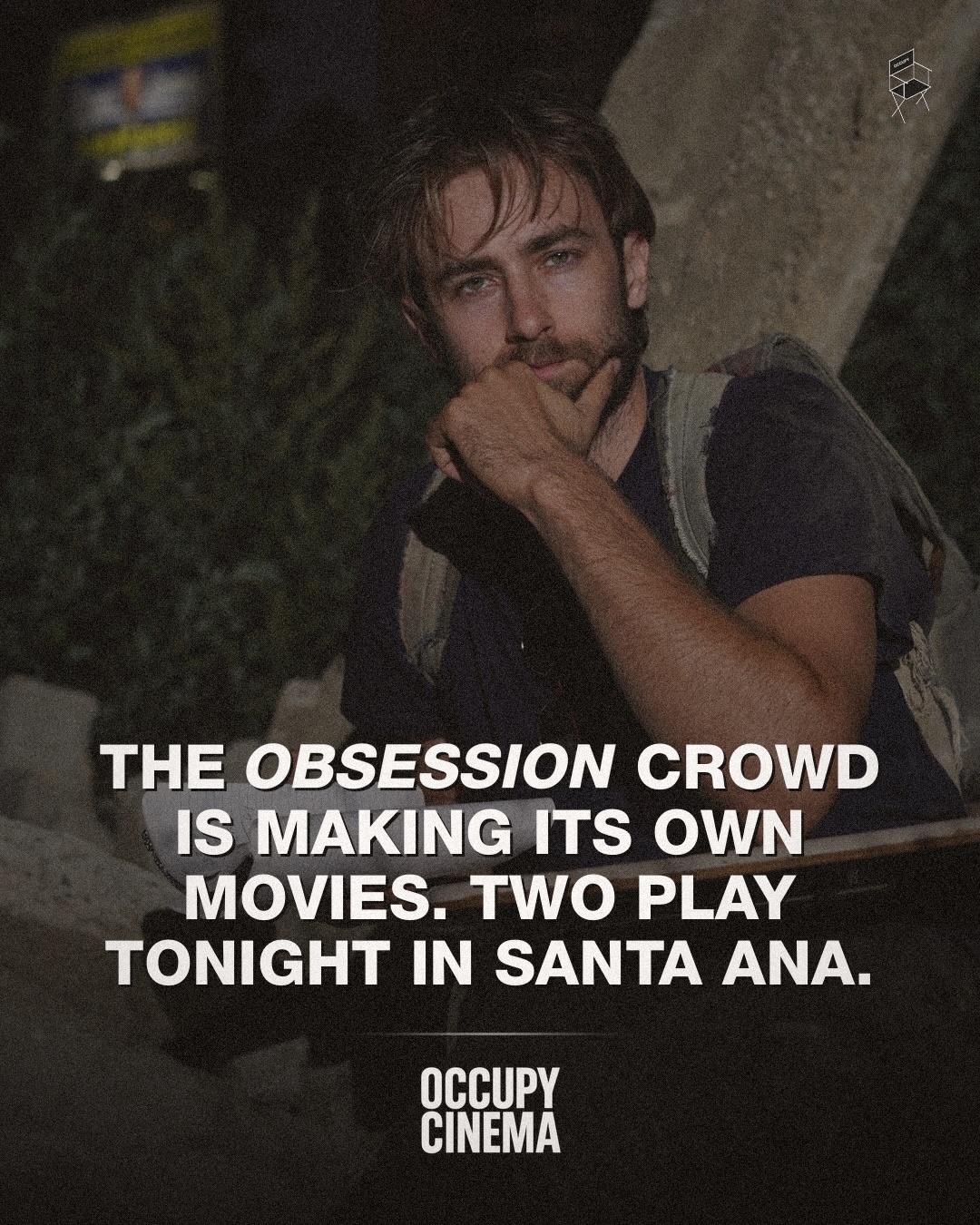
Making an independent feature is only half the battle; finding a physical screen to project it on is often the higher hurdle. Grassroots theatrical spaces have become vital lifelines for directors who operate outside the conventional festival submission circuit. Venues such as The Frida Cinema in Santa Ana, California, provide a critical bridge between micro-budget directors and local audiences. Hosting special double features and community screenings for titles like FACETAPE and ABRAXAS allows filmmakers to test real audience reactions, establish a physical footprint, and prove theatrical viability without waiting for sales agents or corporate buyers.
This dynamic mirrors historic shifts in independent cinema history. Historically, low-budget genre cinema has served as the primary incubator for visual experimentation and new directorial voices. Major industry publications like IndieWire and Deadline consistently track how low-budget horror operates as a highly efficient proving ground for talent. When a breakout project proves its concept at the box office, it validates the instincts of everyone in its immediate creative orbit. The lighting technicians, unit photographers, and supporting actors realize that the distance between a localized shoot and a studio release is bridged not by inflated budgets, but by visual discipline and ruthless resourcefulness.
Furthermore, the 85-minute runtime of Kinder's ABRAXAS highlights a deliberate understanding of genre economy. Micro-budget thrillers and horror films thrive when stripped of narrative padding. By keeping running times concise and focused, independent directors maximize their production value, maintain narrative momentum, and keep post-production pipelines manageable. This disciplined approach to pacing allows single filmmakers to balance multiple major creative responsibilities on set without sacrificing storytelling clarity or visual intent.
Building a Sustainable Micro-Budget Pipeline
The technical barriers to entry in feature filmmaking have dropped dramatically over the last decade, yet the logistical challenges of production remain steep. Modern digital cinema cameras, mobile LED lighting packages, and accessible editing software allow small crews to achieve visual polish that previously required heavy studio financing. For an auteur like Kinder, serving simultaneously as writer, director, cinematographer, and lead actor requires an exhaustive balance of disciplines. Operating camera equipment while performing in a scene demands precise spatial planning and quick on-set problem solving, drastically reducing the size of the required crew.
At the same time, the economics of local theatrical exhibition offer a direct alternative to digital streaming saturation. When audiences purchase a thirteen-dollar ticket at an independent art-house venue like The Frida Cinema, those funds support physical exhibition infrastructure and community-driven film culture. Rather than relying entirely on streaming platforms where titles can easily get lost in vast digital catalogs, localized theatrical events turn moviegoing into an intentional community gathering. They transform individual screenings into active networking nodes where future crew members, cast members, and collaborators meet.
The emergence of films like FACETAPE and ABRAXAS proves that the ultimate impact of a breakthrough movie is measured by more than its box office gross or distributor acquisition price. When Focus Features backed Curry Barker, they picked up a single movie, but the true legacy of that release lies in the ongoing creative momentum of the crew that built it. As set photographers become directors and television actors step behind the camera to shoot their own features, they are constructing a self-sustaining pipeline. They demonstrate that the most vital movement in contemporary genre cinema is happening on the ground level, powered by local screens, shared sets, and relentless DIY ambition.