Occupy Cinema › FEATURED
The Digital Resurrection of Brian O'Conner: Who Owns the Future of Paul Walker's Legacy?
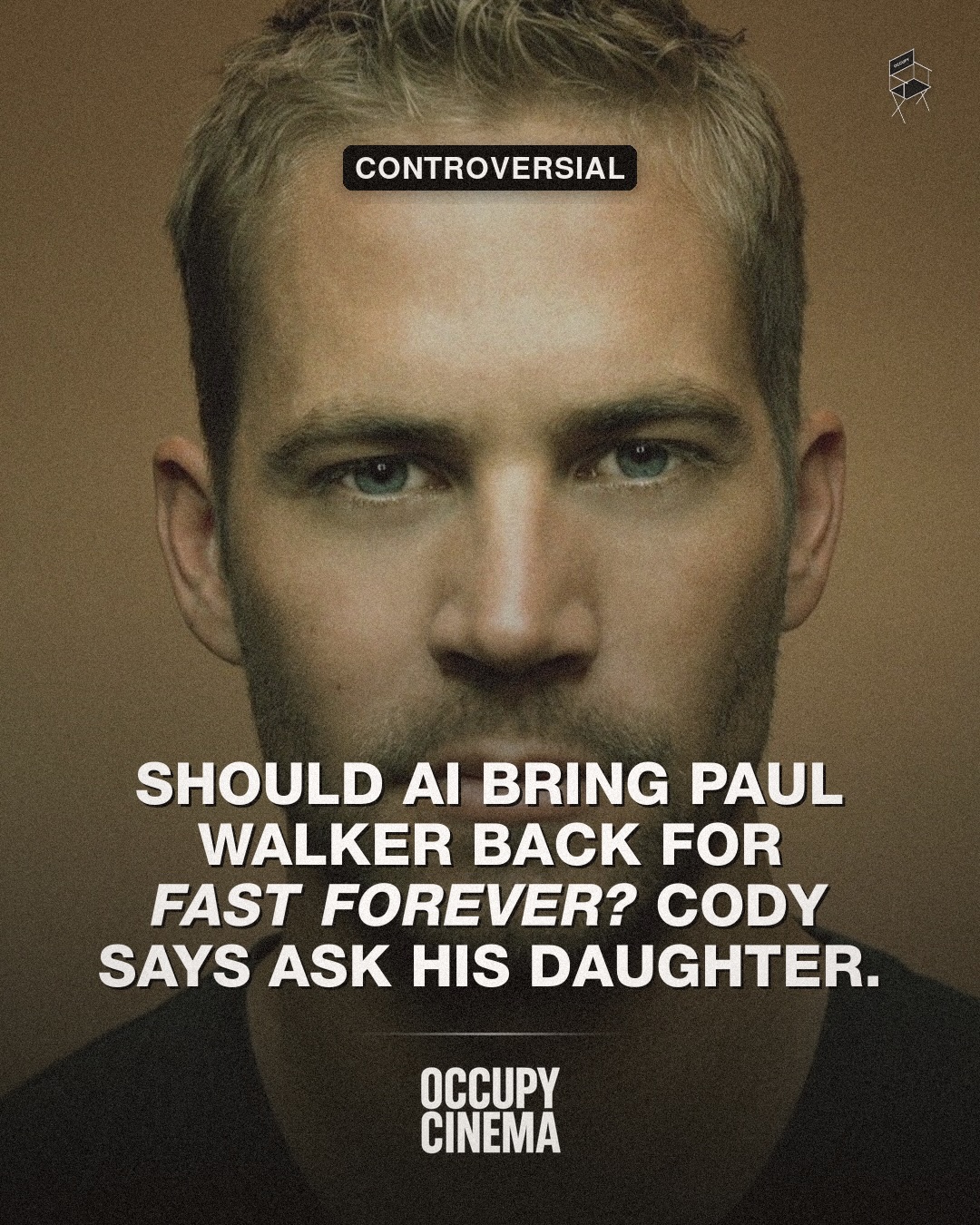
The Fast and Furious franchise faces a moral and legal crossroads regarding the potential AI-driven return of Brian O'Conner. Estate consent is now paramount in California, shifting control to Paul Walker's heirs.
By Occupy Cinema ·
The Unspoken Question: AI and the Fast Saga's Future
The Fast and Furious franchise, a juggernaut that has grossed over $7 billion worldwide, is grappling with a profound ethical and legal dilemma. At its core is the character of Brian O'Conner, portrayed by the late Paul Walker. The question of his digital resurrection, long whispered in industry circles, has now burst into public discourse, driven by recent statements from Walker's brother, Cody. This isn't just about fan service; it’s about the evolving landscape of intellectual property, performer rights, and the unsettling capabilities of artificial intelligence in cinema.
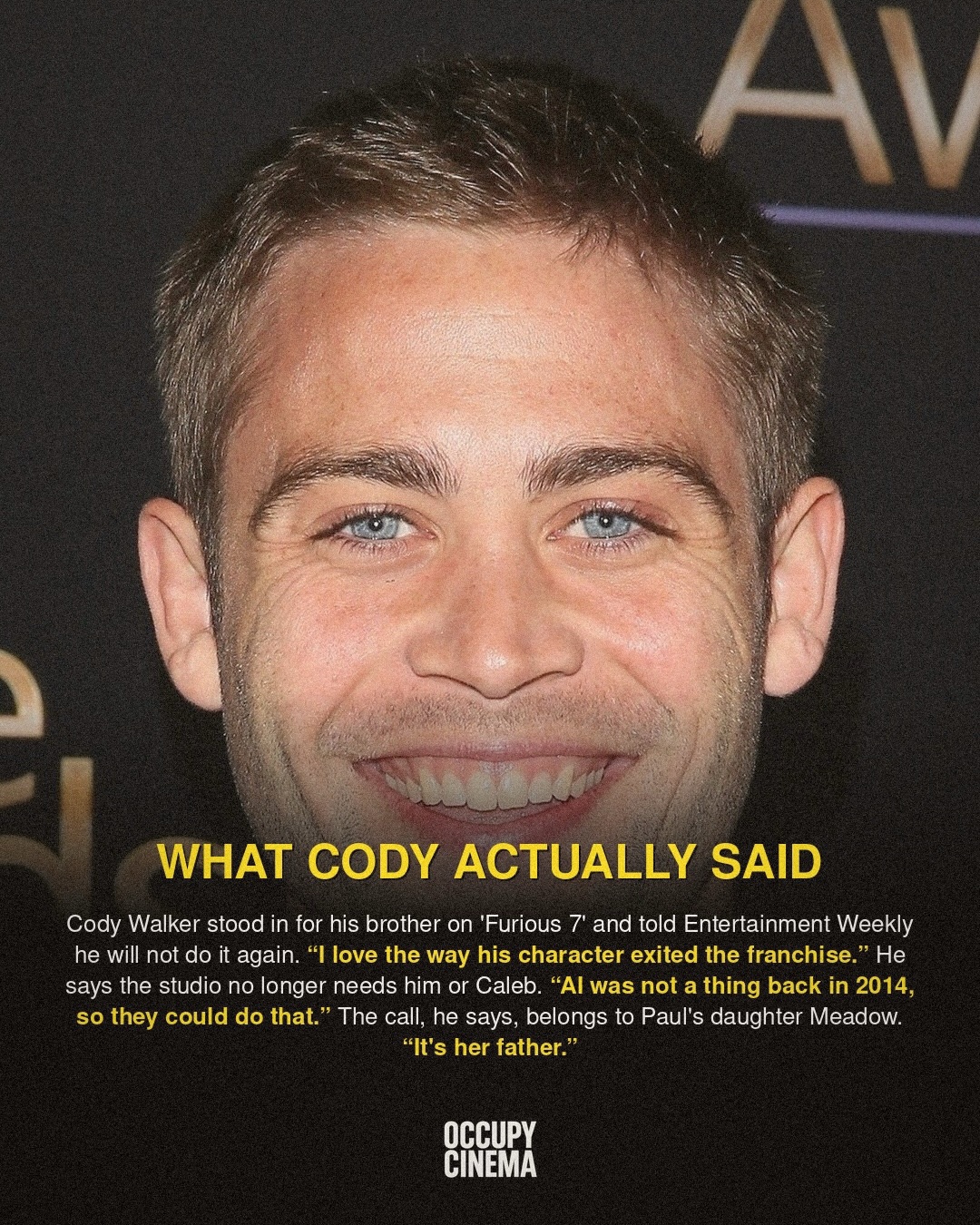
Cody Walker, who notably stepped in to help complete Furious 7 after Paul's tragic death in 2013, has made his position clear. He will not reprise the role for any future installments. More critically, he has stated that any decision regarding Brian O'Conner's potential return via AI technology for a hypothetical 'Fast Forever' installment rests squarely with Paul Walker's daughter, Meadow Walker. This declaration isn't merely a personal sentiment; it underscores a significant shift in legal precedent, particularly in California.
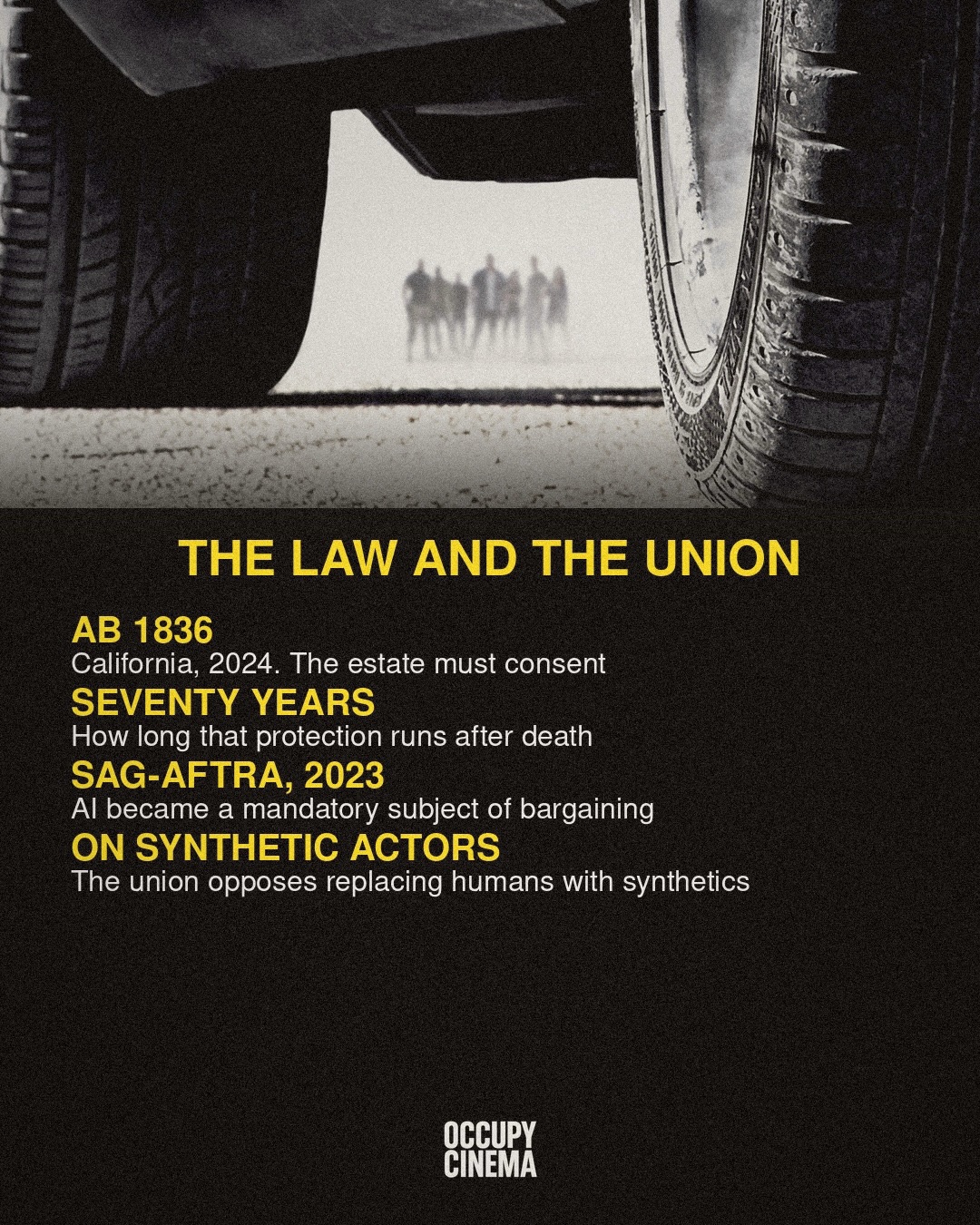
California's AB 1836, effective since January 1, 2024, mandates that estate consent is required for the creation or use of a deceased performer's digital replica for commercial purposes. This protection extends for seventy years post-mortem. This legislative move, largely driven by concerns over unauthorized AI exploitation, puts Meadow Walker in a powerful, unprecedented position. The long-standing promise from franchise star Vin Diesel that Brian O'Conner would eventually return now faces a concrete legal and ethical gatekeeper.
The Cost of Memory: Ethics and Economics in Digital Doubles
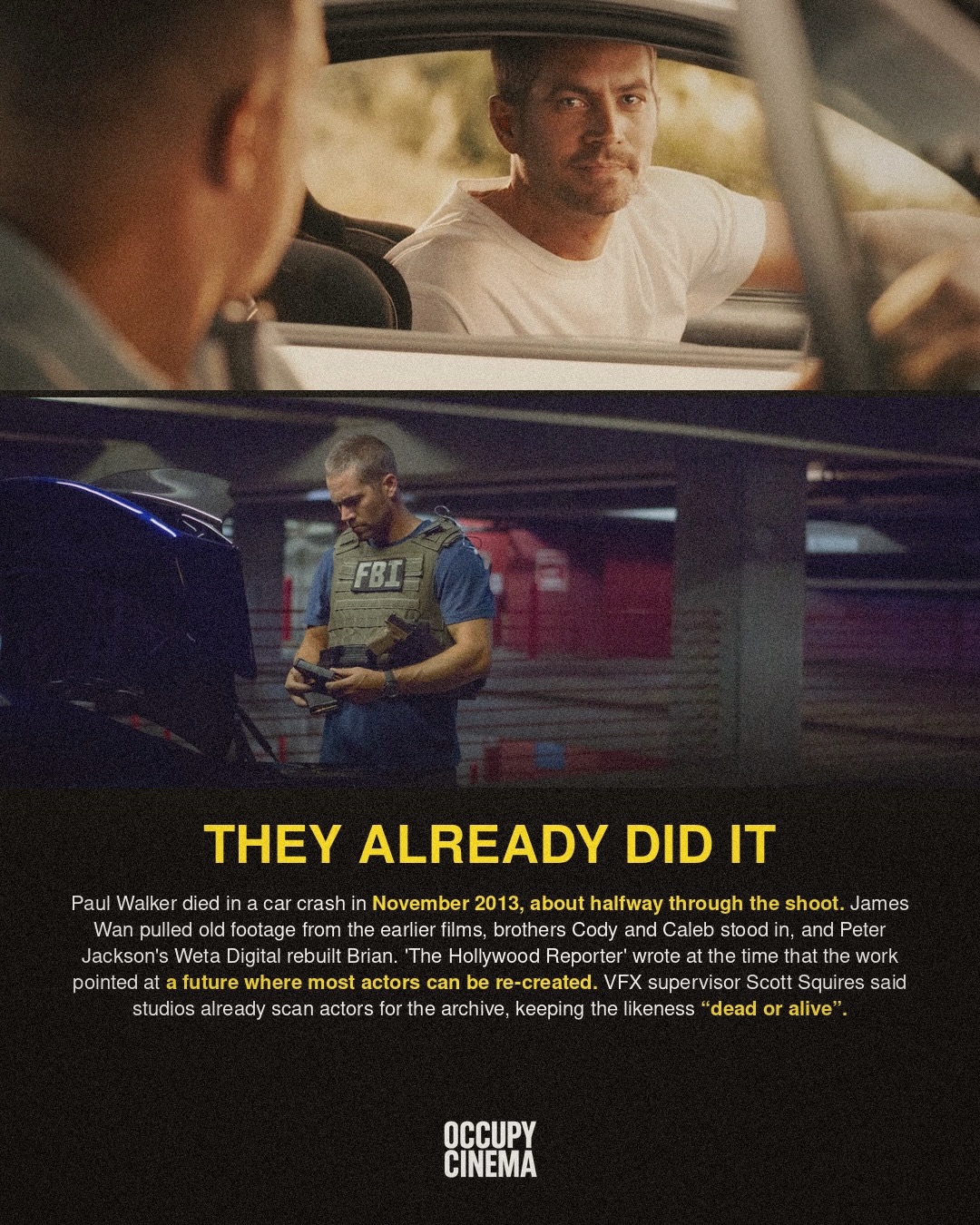
The precedent set by Furious 7 was groundbreaking, if emotionally fraught. Director James Wan and Universal Pictures utilized a combination of CGI, body doubles, and archival footage to give Brian O'Conner a fitting, poignant farewell. This complex process involved Weta Digital, leveraging extensive visual effects work to seamlessly integrate Cody and Caleb Walker, Paul's brothers, with digital enhancements. The reported budget for Furious 7 ballooned to an estimated $190 million, with a significant portion allocated to these post-production efforts. The film subsequently grossed over $1.5 billion globally, proving that audiences would embrace, or at least accept, such innovative solutions under tragic circumstances.
However, the technological leap from 2015's CGI to today's generative AI is immense. The cost and complexity of creating a convincing digital double have decreased, while the fidelity has increased. This makes the prospect of an AI-driven Brian O'Conner more feasible than ever before, but also more contentious. The ethical implications extend beyond just the Walker family. The Screen Actors Guild, American Federation of Television and Radio Artists (SAG-AFTRA) has made performer likeness rights a central issue in recent negotiations, highlighting the industry's growing anxiety over AI's unchecked potential. The union's push for consent and fair compensation for digital replicas reflects a broader industry fear: that AI could sideline living actors and exploit deceased ones without proper oversight.
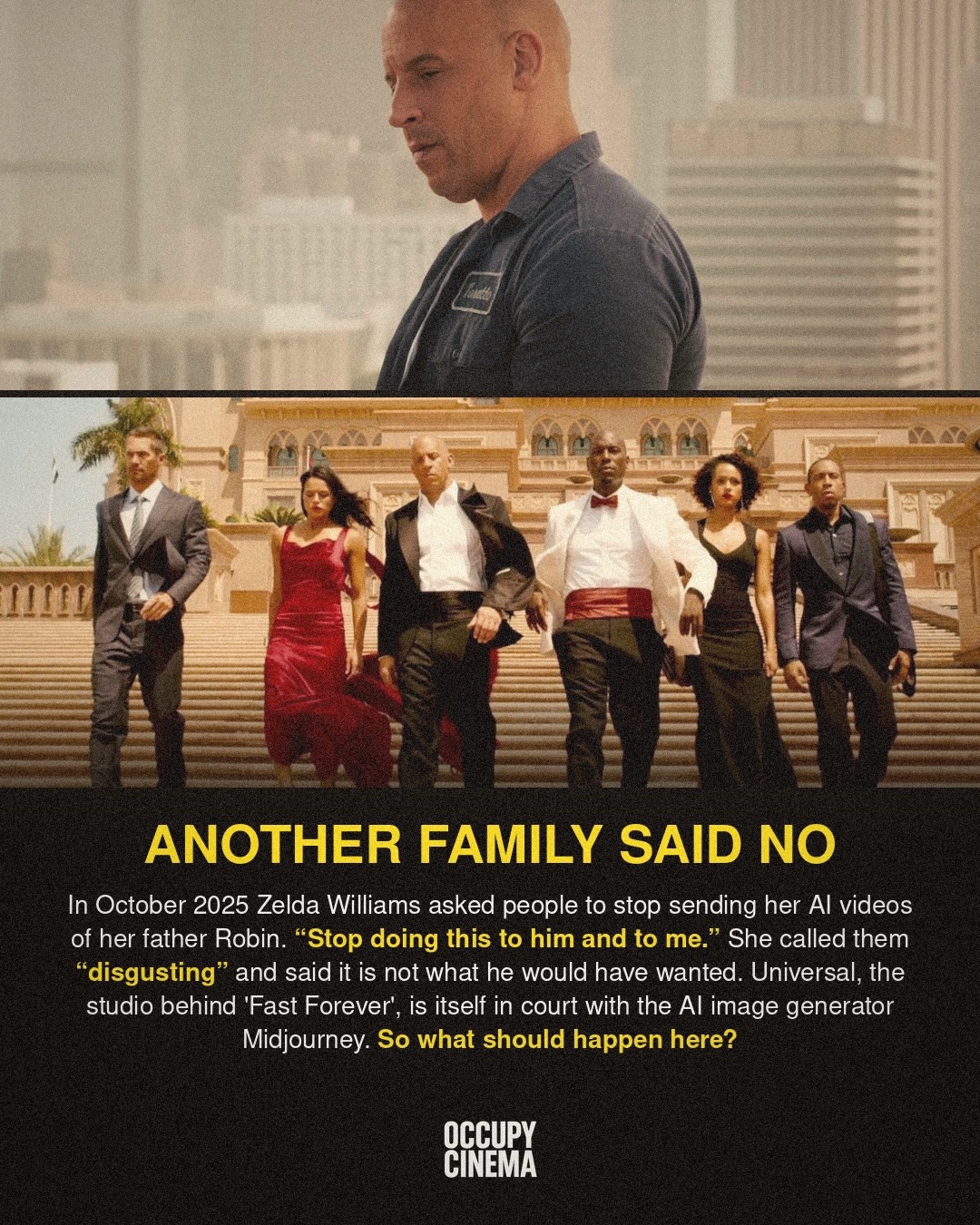
The Fast and Furious franchise has always been about family, both on and off screen. The decision regarding Brian O'Conner's future is no longer a creative whim or a simple box office calculation. It is a deeply personal, legally complex matter that tests the very definition of legacy in the age of artificial intelligence. Universal Pictures and the franchise's creative leadership must now navigate not just fan expectations, but the express wishes of the Walker family and the clear directives of California law. The financial incentives are enormous, but the reputational and ethical costs of missteps could be equally significant, setting a precedent for how Hollywood treats its departed stars in the digital age.