Occupy Cinema › Box Office
Fifty Years of Midnight: How The Rocky Horror Picture Show Built Cinema's Longest Run
How a 1975 box office flop transformed into an unbroken half, century theatrical phenomenon that outlasted every Hollywood blockbuster metric.
By Occupy Cinema ·
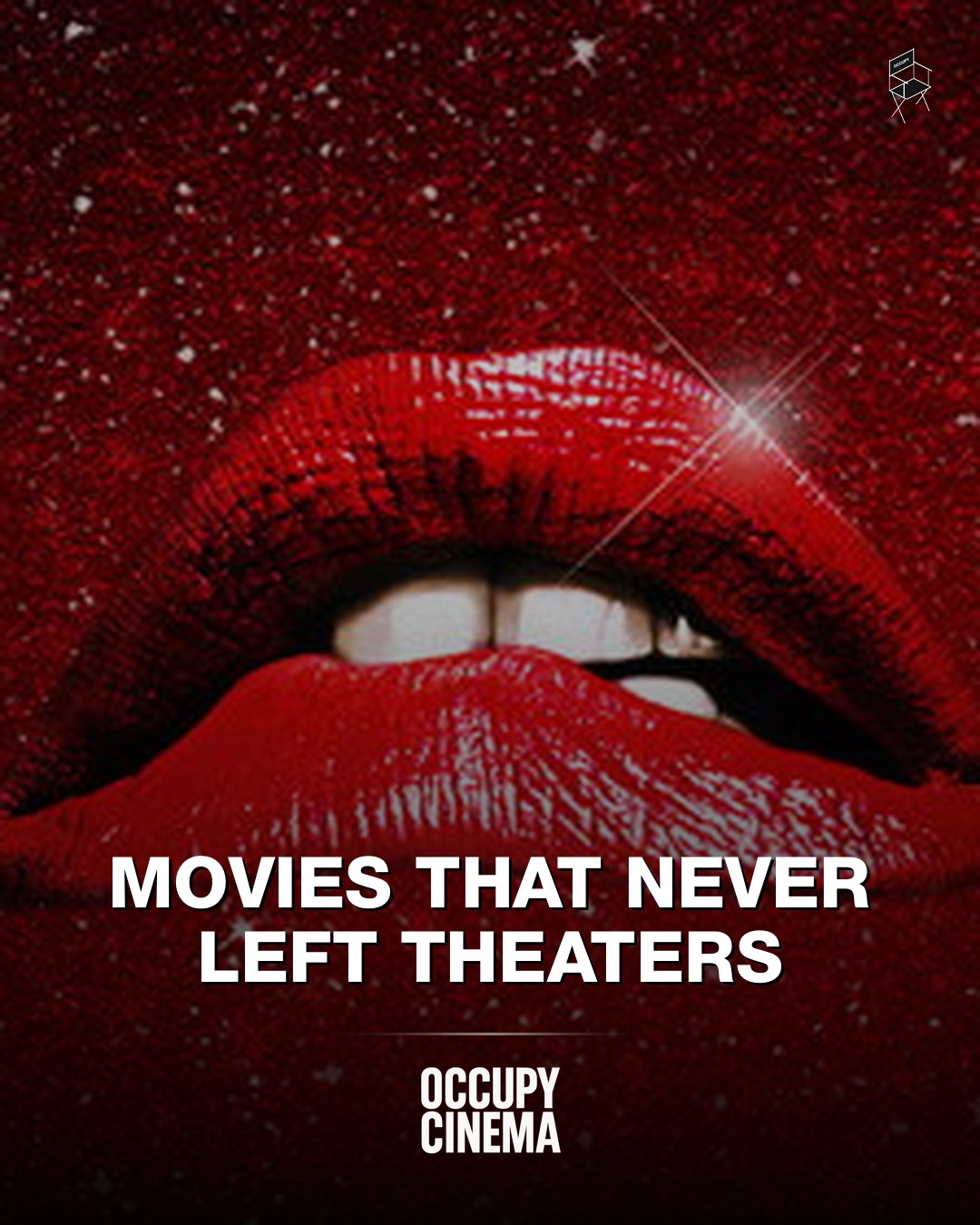
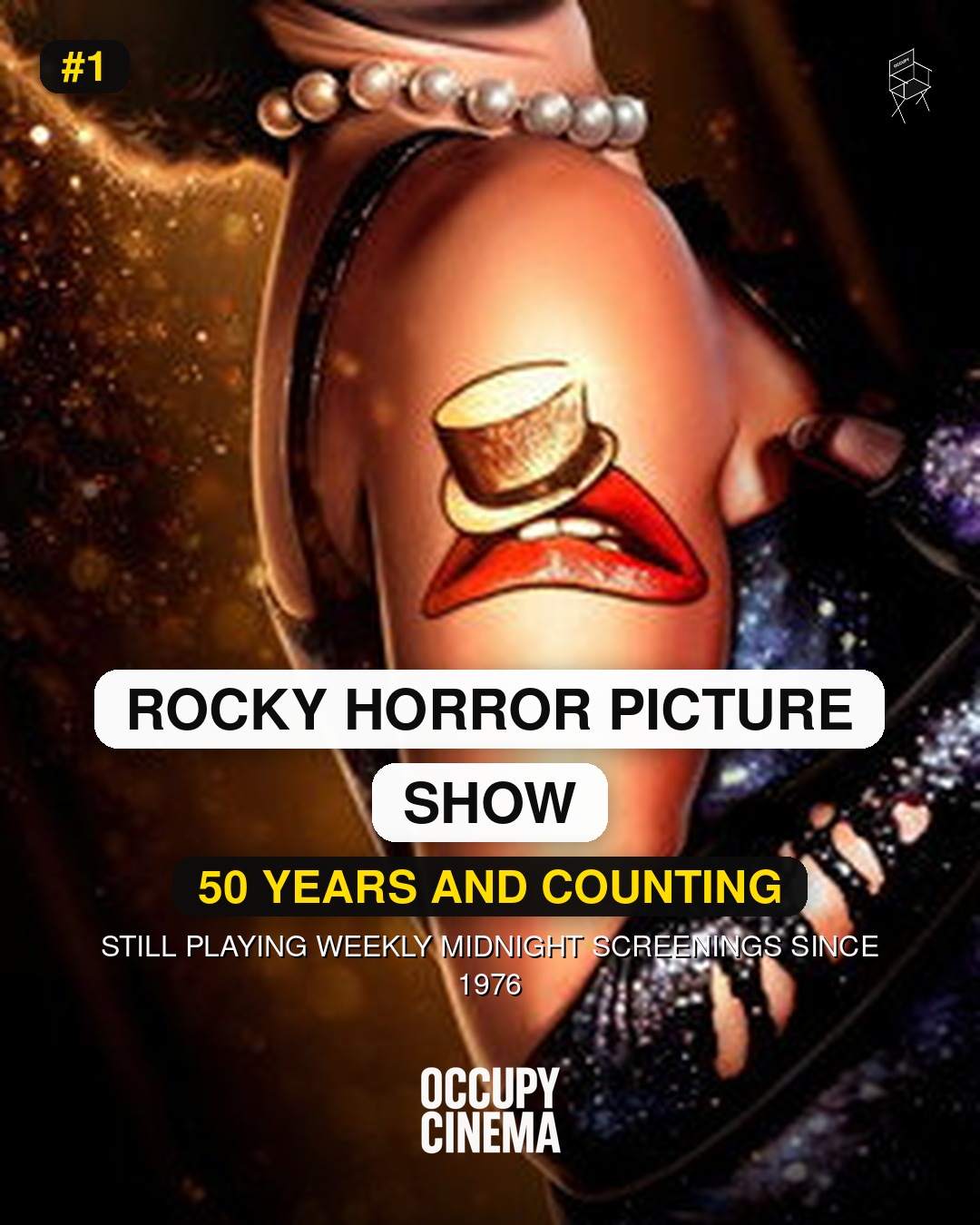
In August 1975, 20th Century Fox faced a commercial disaster. The Rocky Horror Picture Show opened in mainstream American theaters to abysmal box office receipts and dismissive critical notices. Traditional film distribution dictated a quick burial. Studio executives prepared to cut their losses and pull prints from circulation. Instead, a radical exhibition strategy transformed a DOA musical into the longest continuous theatrical run in motion picture history.
The turnaround began in April 1976 at the Waverly Theater, now known as the IFC Center, in New York City's Greenwich Village. Fox publicity executives and local exhibition programmers decided to shift the film out of standard prime, time evening slots and rehouse it in a single Saturday midnight screening. As detailed in historical distribution coverage by Variety, the late, night slot specifically targeted an urban subculture seeking alternative theatrical experiences. The gamble paid off immediately. What began as a single Manhattan screen quickly expanded into a nationwide late, night network, establishing a sustainable distribution model that bypassed traditional Hollywood advertising.
From Box Office Bomb to Midnight Religion
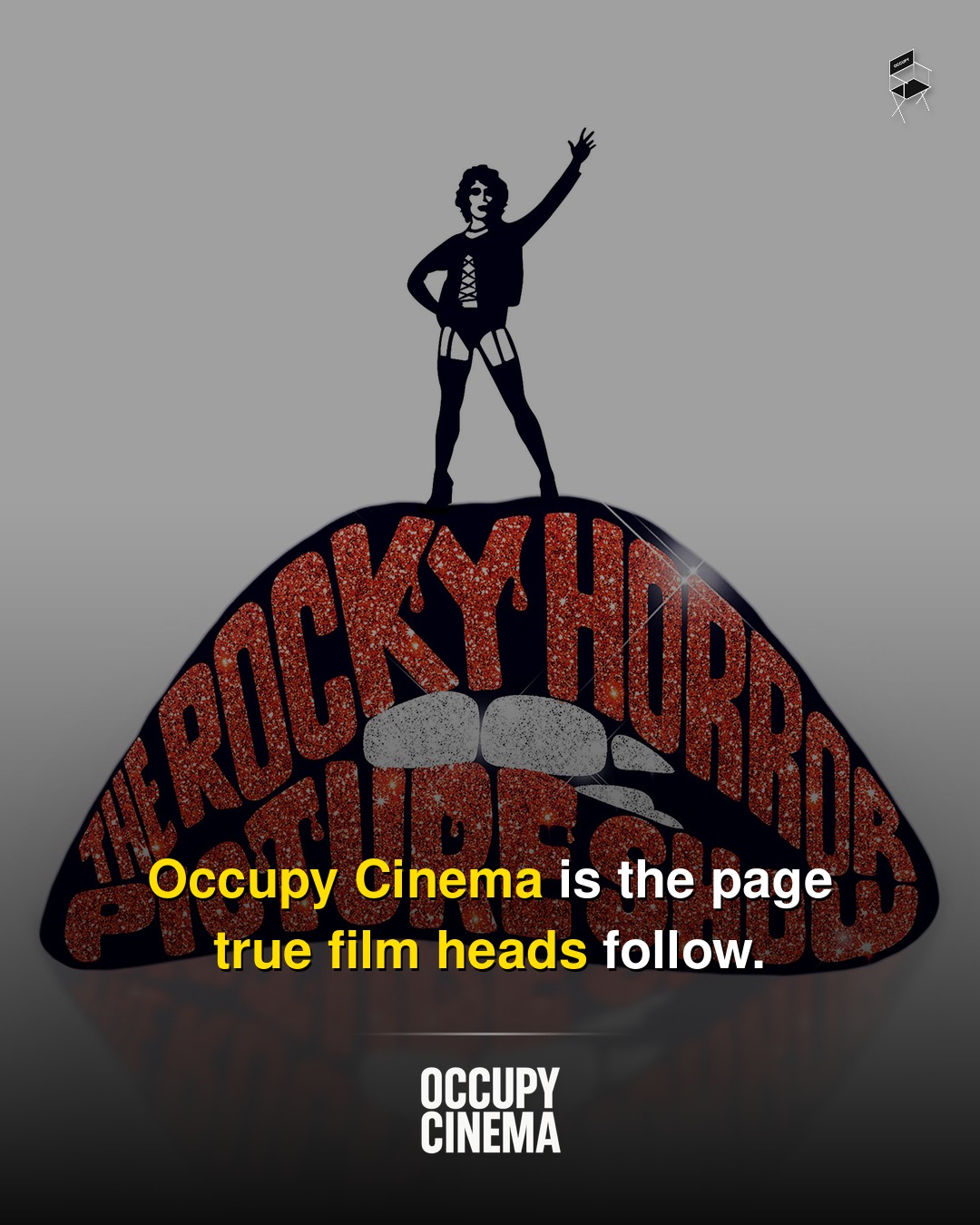
Directed by Jim Sharman and adapted from Richard O'Brien's London stage musical, the film delivered a potent mix of 1950s science fiction homage, glam rock soundtrack, and shameless queer liberation. Tim Curry gave a star, making screen performance as Dr. Frank, N, Furter, supported by Susan Sarandon, Barry Bostwick, and Meat Loaf. The movie's theatrical magic was not just on the celluloid, but in the room. By early 1977, regular viewers were shouting scripted callbacks at the screen, dressing in full character attire, and bringing props including toast, rice, water pistols, and toilet paper. Shadow casts soon emerged to lip, sync and enact the entire script live beneath the screen, transforming passive viewing into an interactive concert experience.
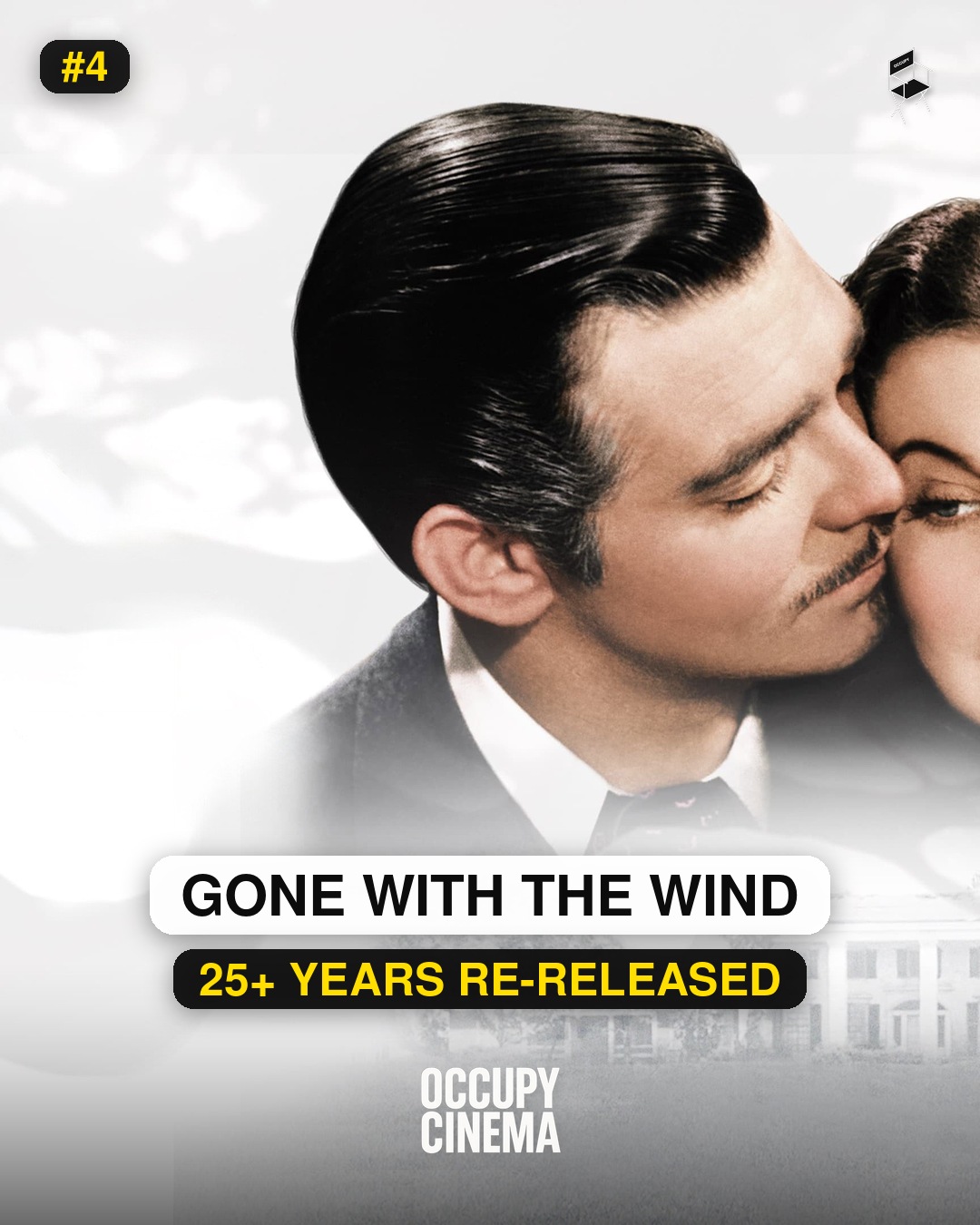
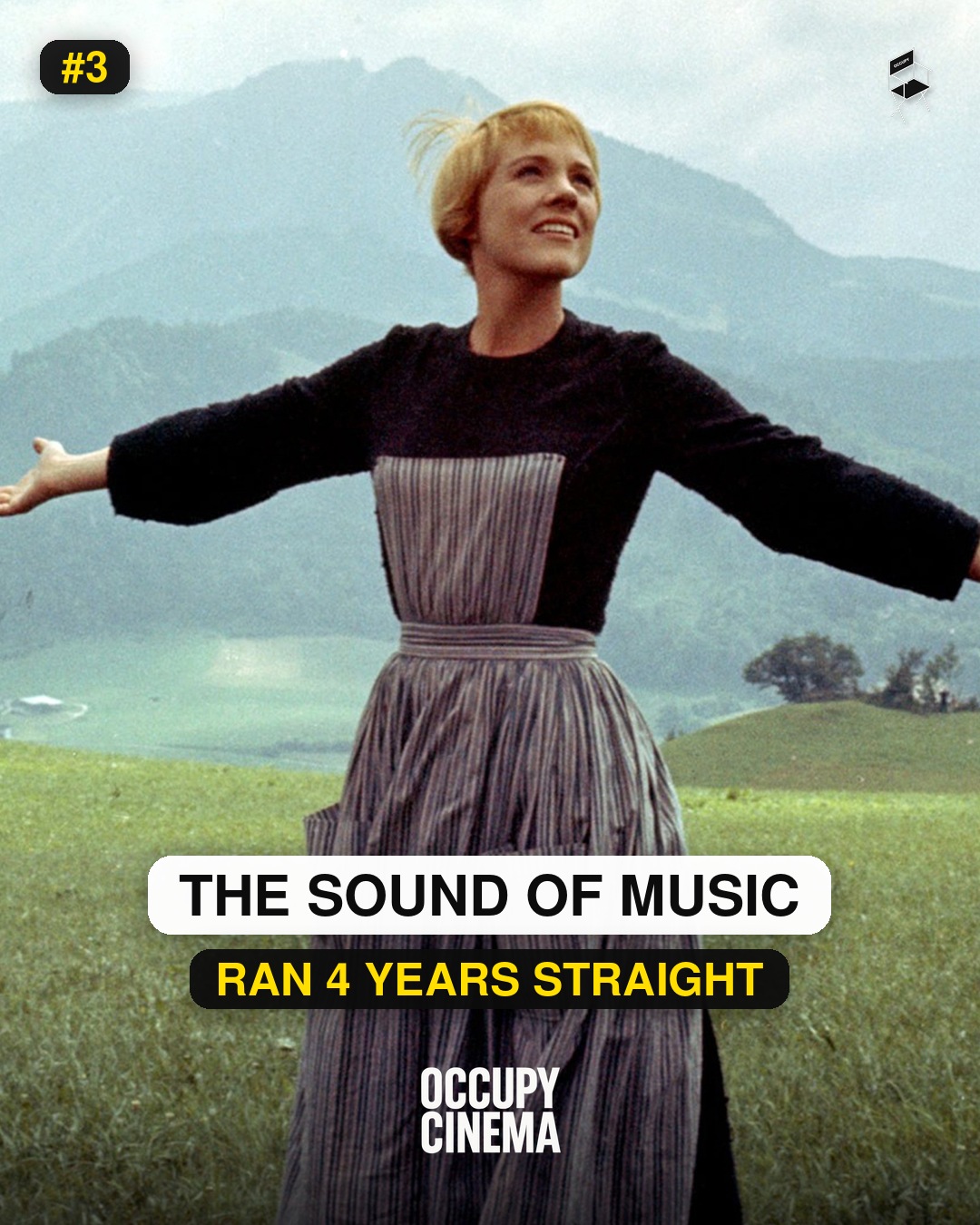
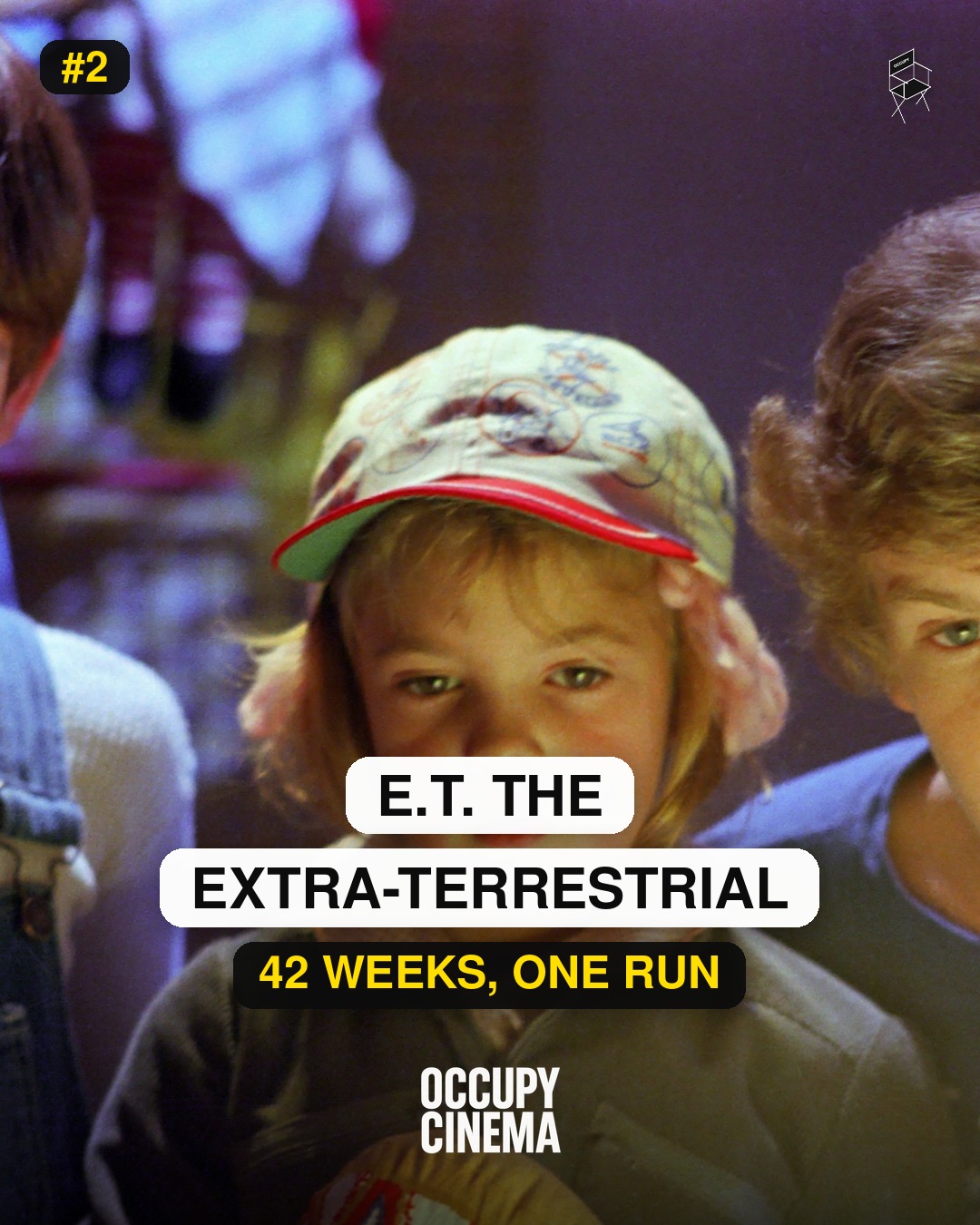
To understand the scale of this exhibition anomaly, one must look at historical comparison points documented by The Hollywood Reporter. Industry blockbusters have historically relied on repeated re, releases or extended roadshow engagements to accumulate longevity. Gone with the Wind spent segments of 25 years returning to theaters. The Sound of Music ran continuously on select single screens for several years during the 1960s. Steven Spielberg's E.T. the Extra, Terrestrial logged an extraordinary 42 consecutive weeks during its original 1982 theatrical run. None of those legendary titles come close to the unbroken half, century maintained by Rocky Horror.
The Last Sentinel of Physical Exhibition
Five decades later, the film's theatrical run remains unbroken. Even after the Walt Disney Company acquired the 20th Century Fox catalog in 2019 and locked down vast portions of its legacy film library, the studio made an explicit exception for Rocky Horror. Disney continues to honor the historical theatrical licensing arrangements that keep repertory prints and digital cinema packages active in weekly midnight slots around the globe. In an industry currently struggling with compressed windowing, rising ticket prices, and home streaming fatigue, Rocky Horror stands as a unique financial engine for independent theaters, providing consistent late, night concession revenue and steady weekend foot traffic.
The enduring vitality of The Rocky Horror Picture Show offers an undeniable commentary on the value of physical space in modern film culture. Content can be streamed anywhere at any time, but genuine cult culture requires a physical venue and a dedicated collective. A half, century of continuous theatrical exhibition cannot be algorithmically generated or manufactured by studio publicists. It endures because every weekend, audiences still buy tickets, step into the dark, and keep cinema alive as a participatory art form.
Related reading: Respect for Acting.