Occupy Cinema › Exhibition
Final Cut in Venice: A Lifeline for African and Arab Cinema's Unfinished Works
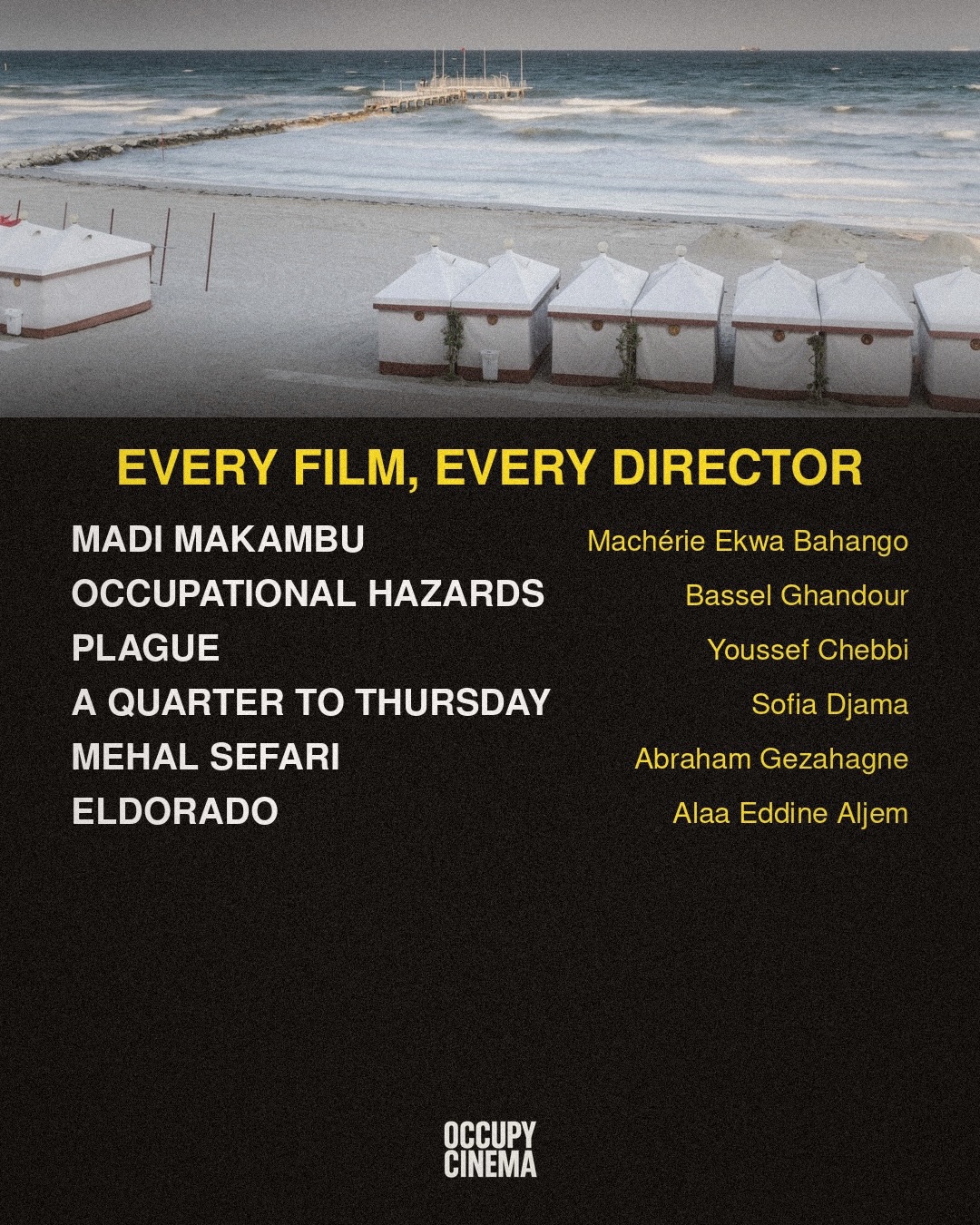
The Biennale's Final Cut program awarded 17 prizes to six films, offering critical post-production support to projects from Africa and the Arab world. This year's record submissions highlight the urgent need for completion funding in independent cinema.
By Occupy Cinema ·
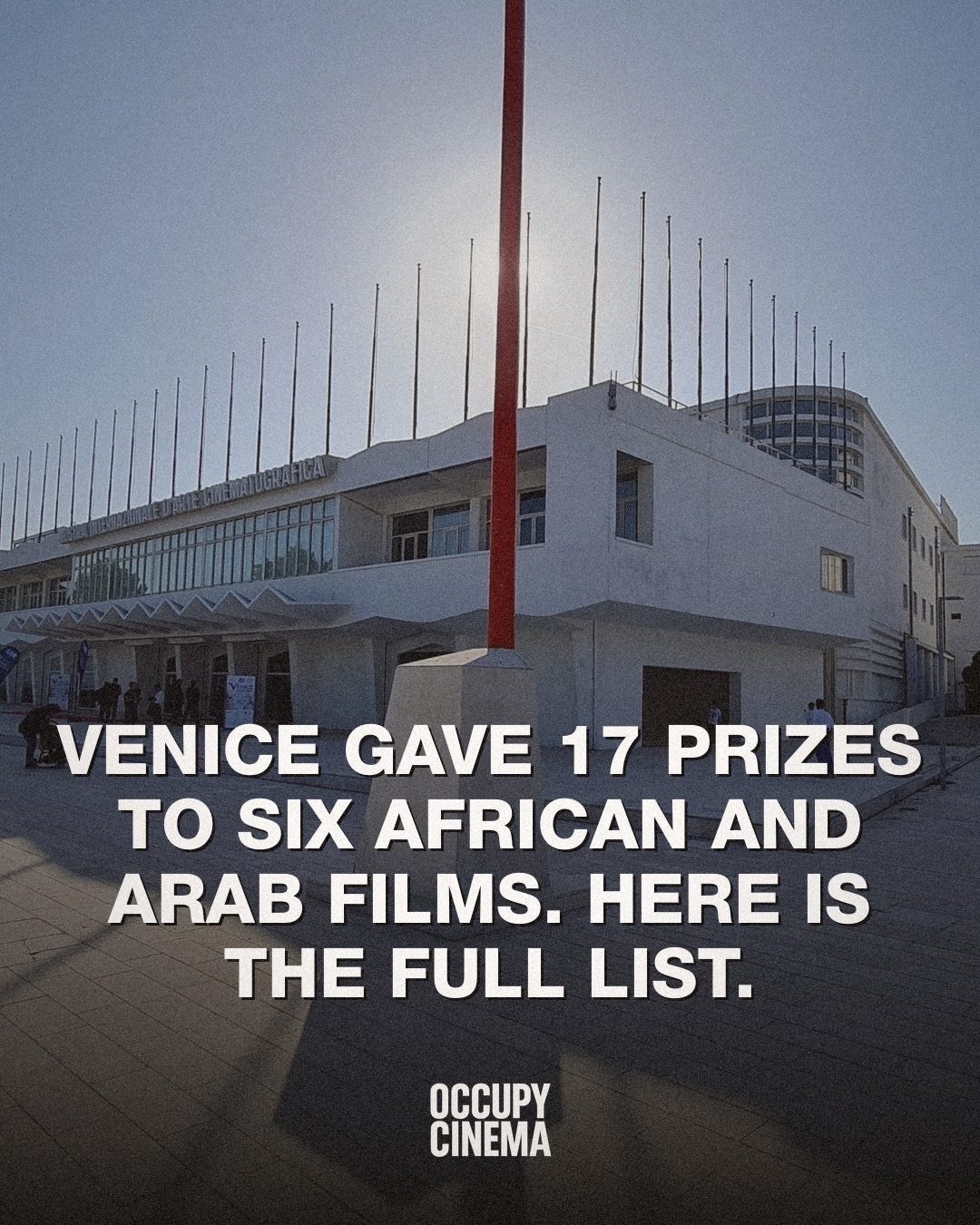
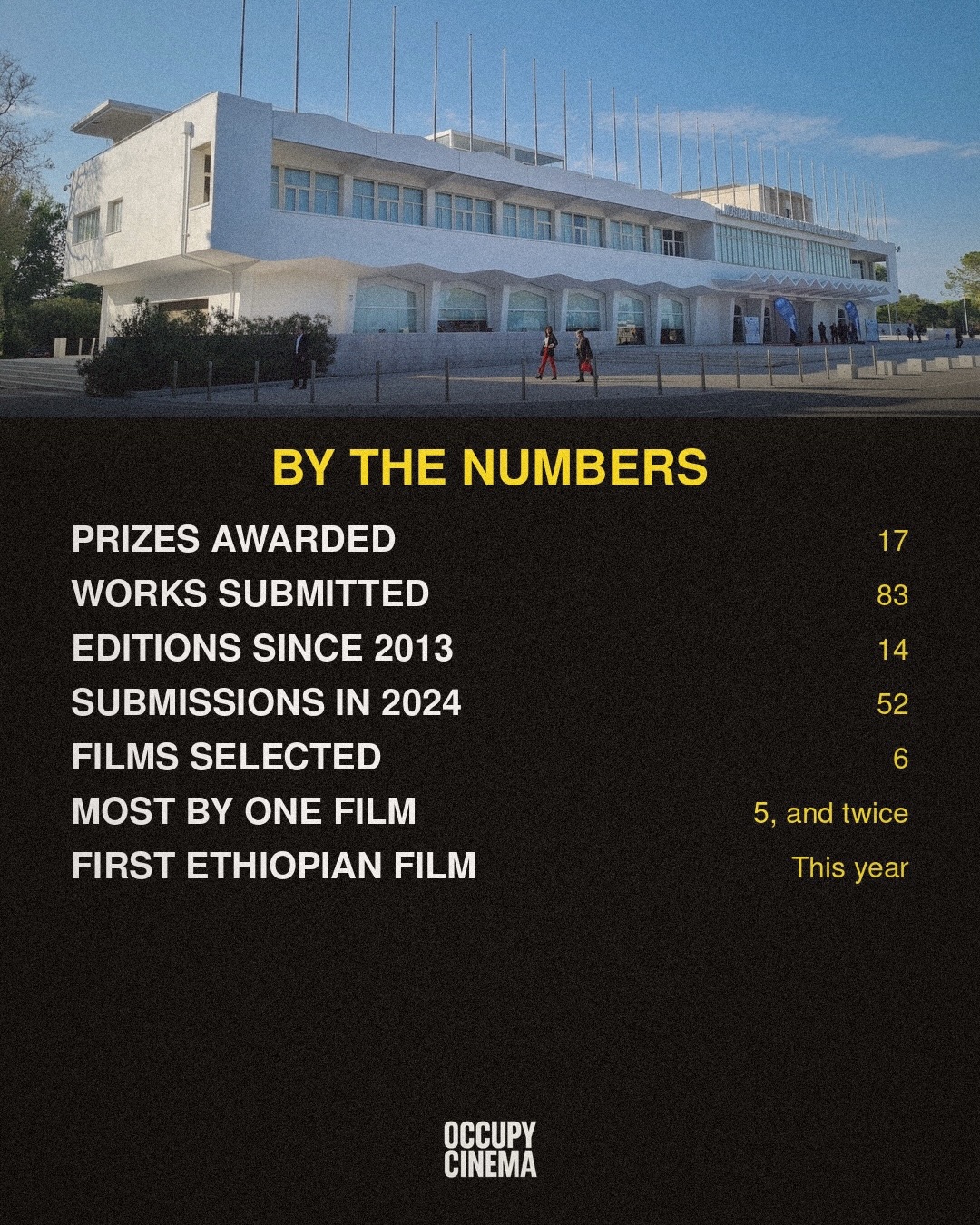
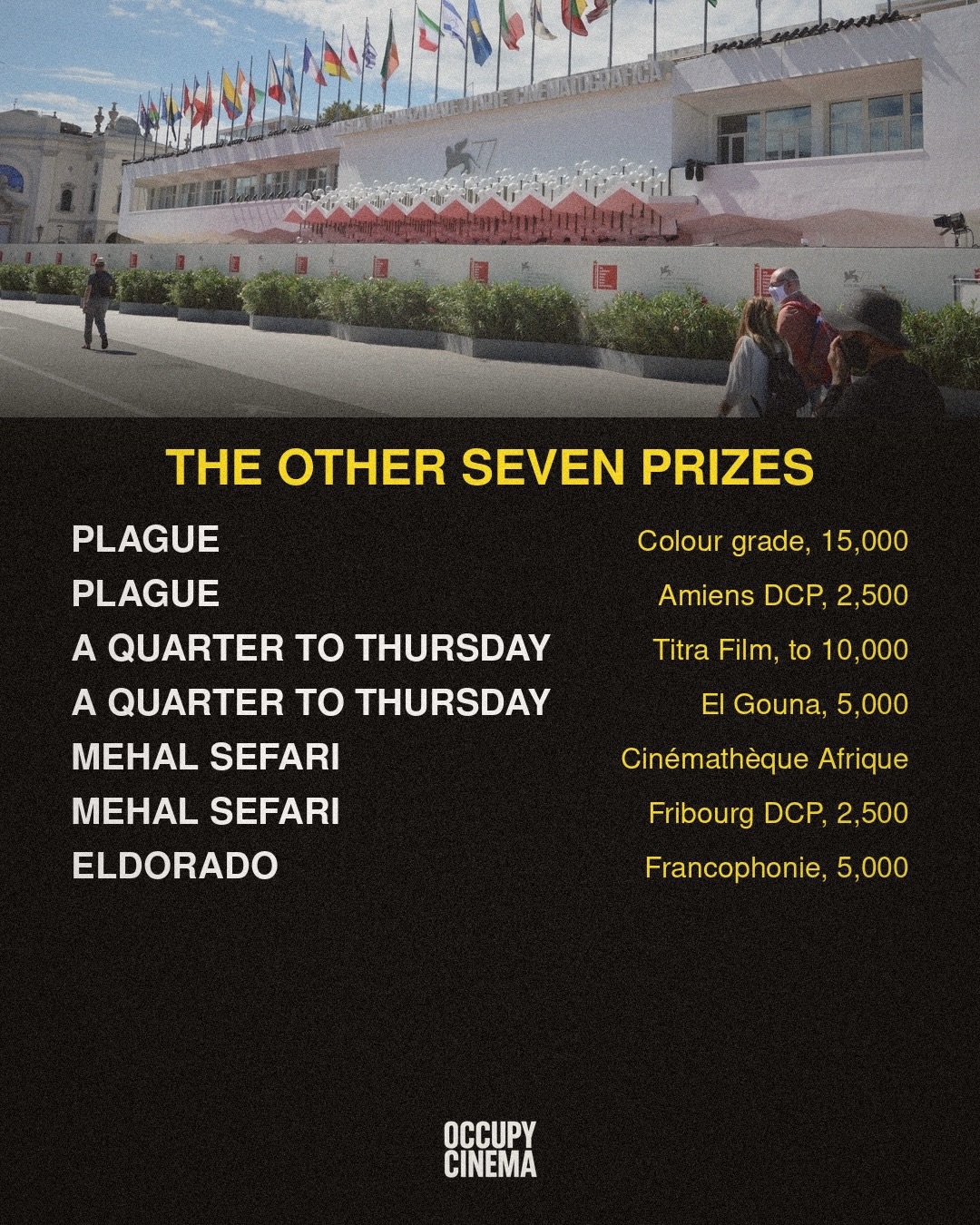
The 81st Venice Film Festival's Final Cut in Venice program has once again proven its vital role for independent cinema from Africa and the Arab world. A staggering 17 prizes were distributed among just six films, all works-in-progress desperately seeking the resources to reach completion. This initiative provides more than just accolades; it offers concrete, often non-cash, support for the final, crucial stages of filmmaking.
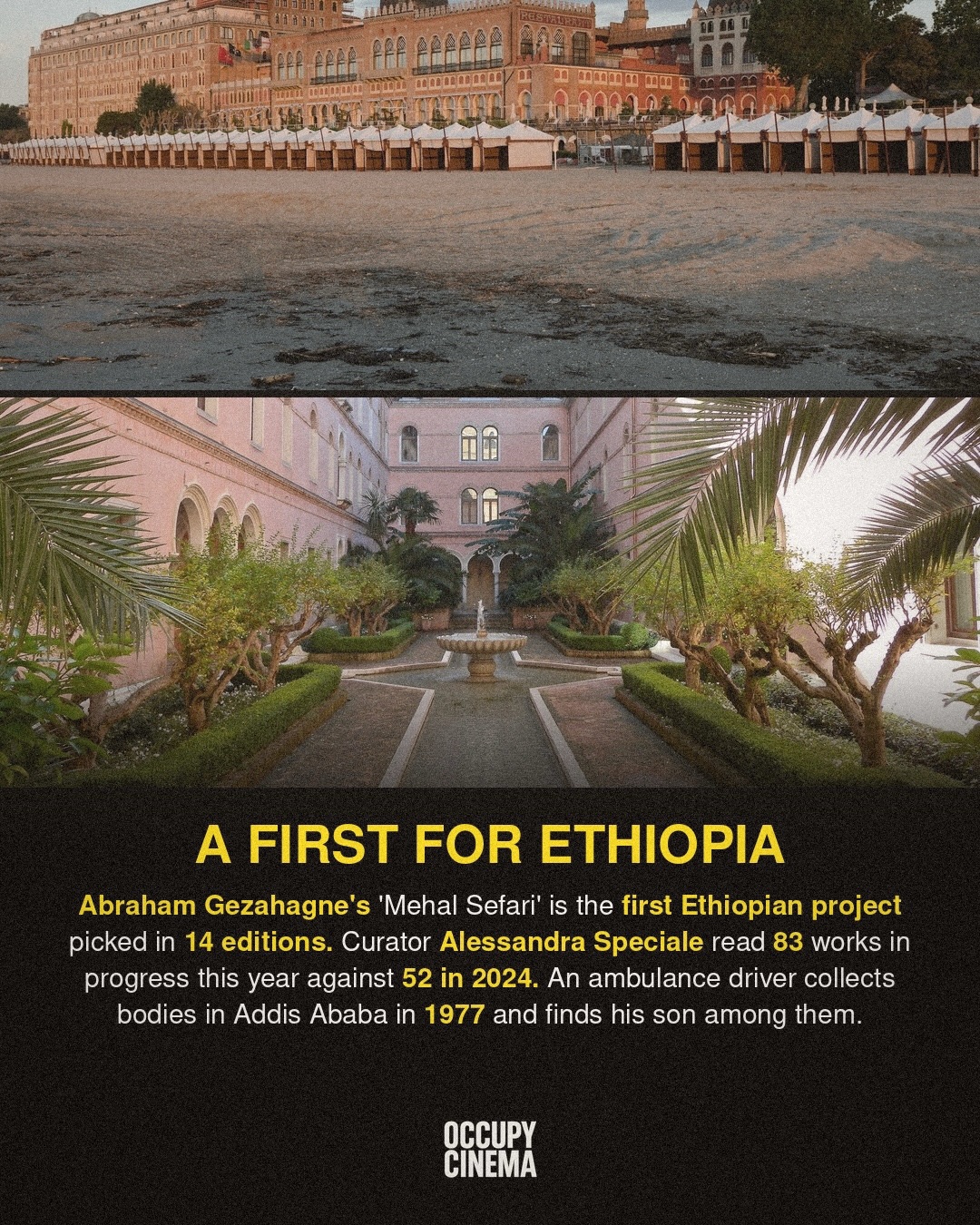
This year saw a significant surge in submissions, with curator Alessandra Speciale receiving 83 works-in-progress, a substantial increase from 52 in the previous edition. This 60% jump underscores a persistent and growing challenge: independent filmmakers, particularly from these regions, are struggling to cross the finish line. Production funds may be secured, but the often-overlooked post-production budget remains a formidable barrier to entry into the global market.
The Critical Role of Post-Production Support
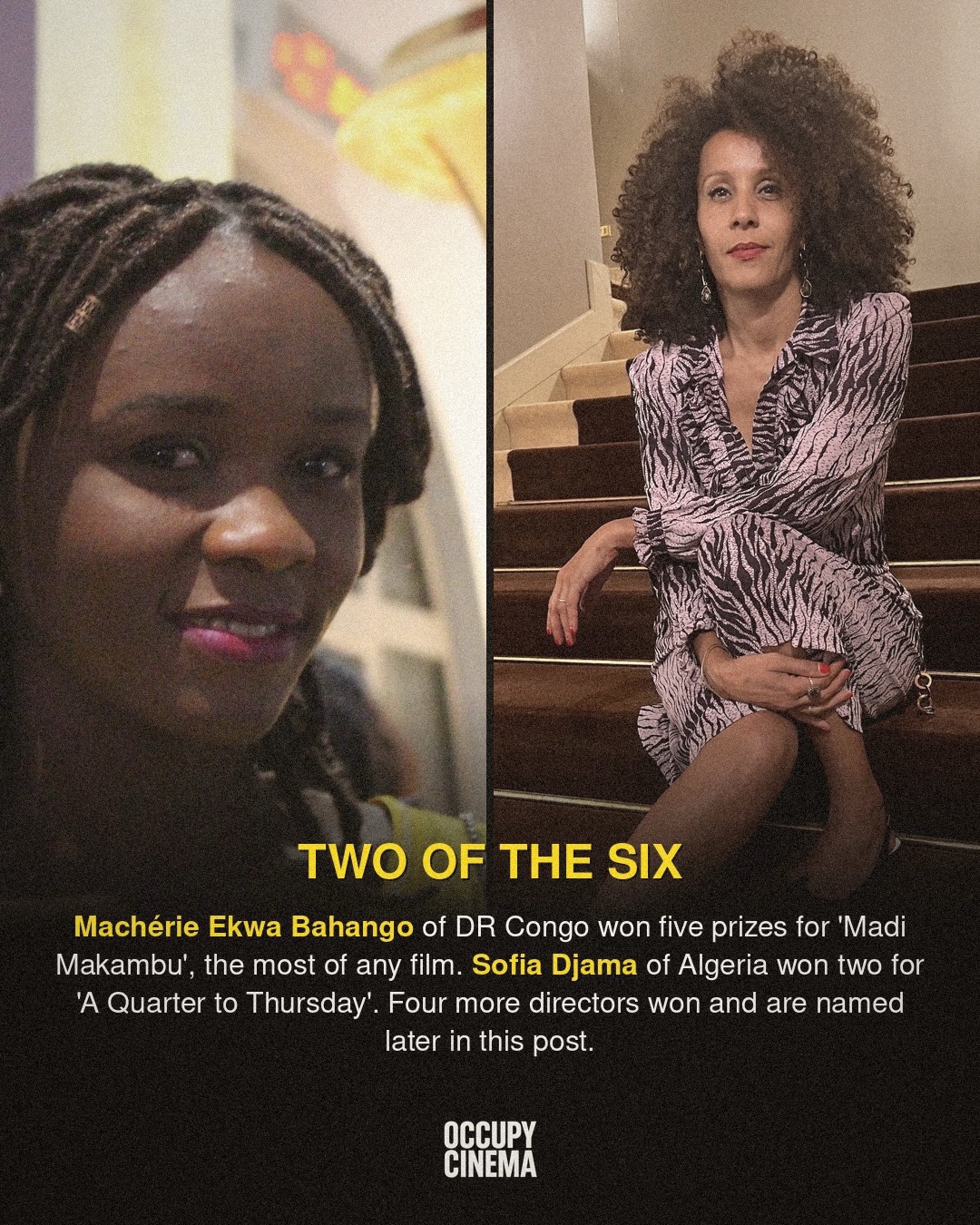
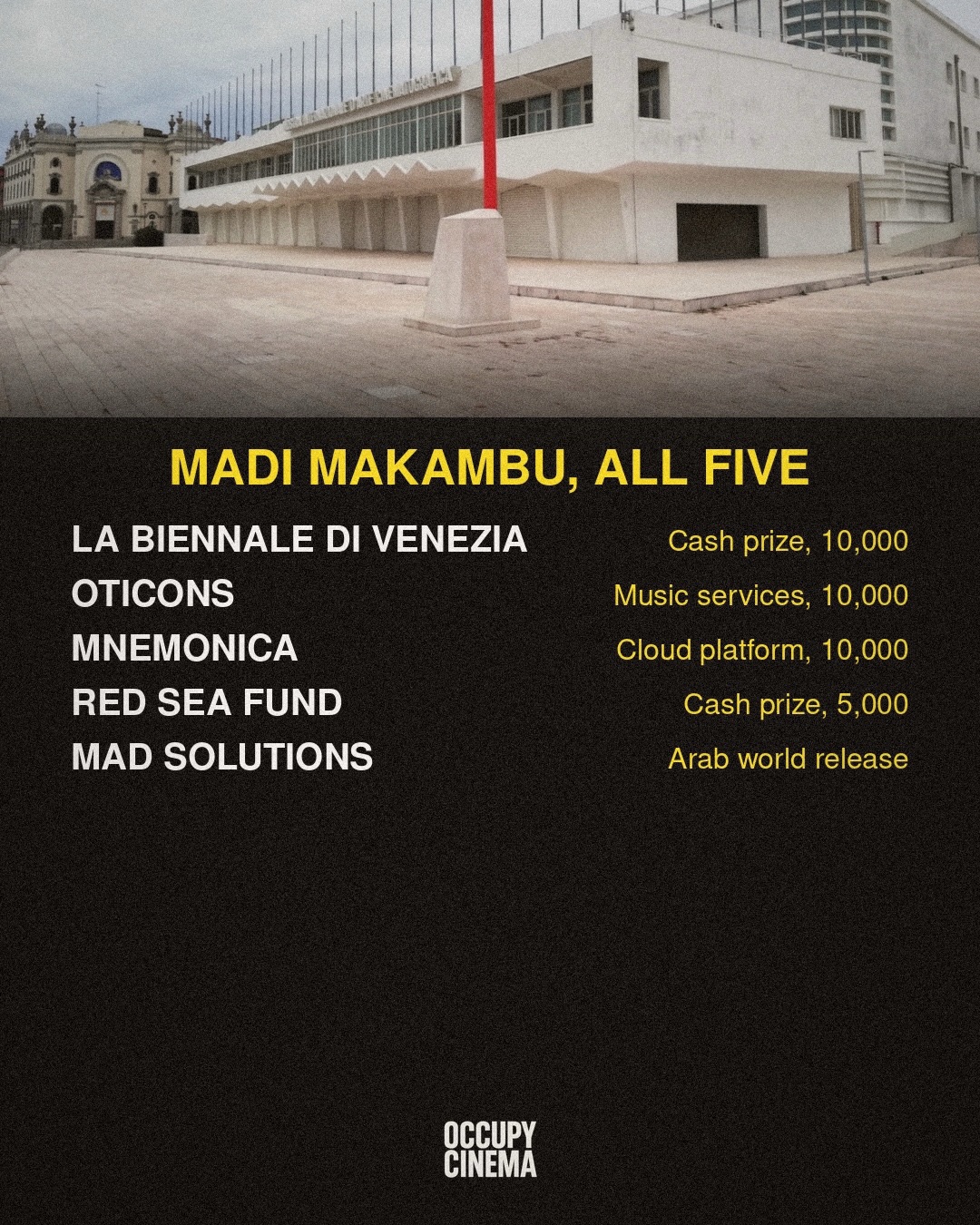
Among the standout recipients was Machérie Ekwa Bahango's 'Madi Makambu' from the Democratic Republic of Congo, which clinched five prizes, including the prestigious 10,000 euro Biennale prize. This direct financial injection is invaluable, but the majority of Final Cut's awards are in services. These include essential technical finishing like color grading, sound mixing, and the creation of subtitles. For films aiming for international distribution and festival circuits, these elements are non-negotiable. Without professional finishing, even the most compelling narratives risk being overlooked.
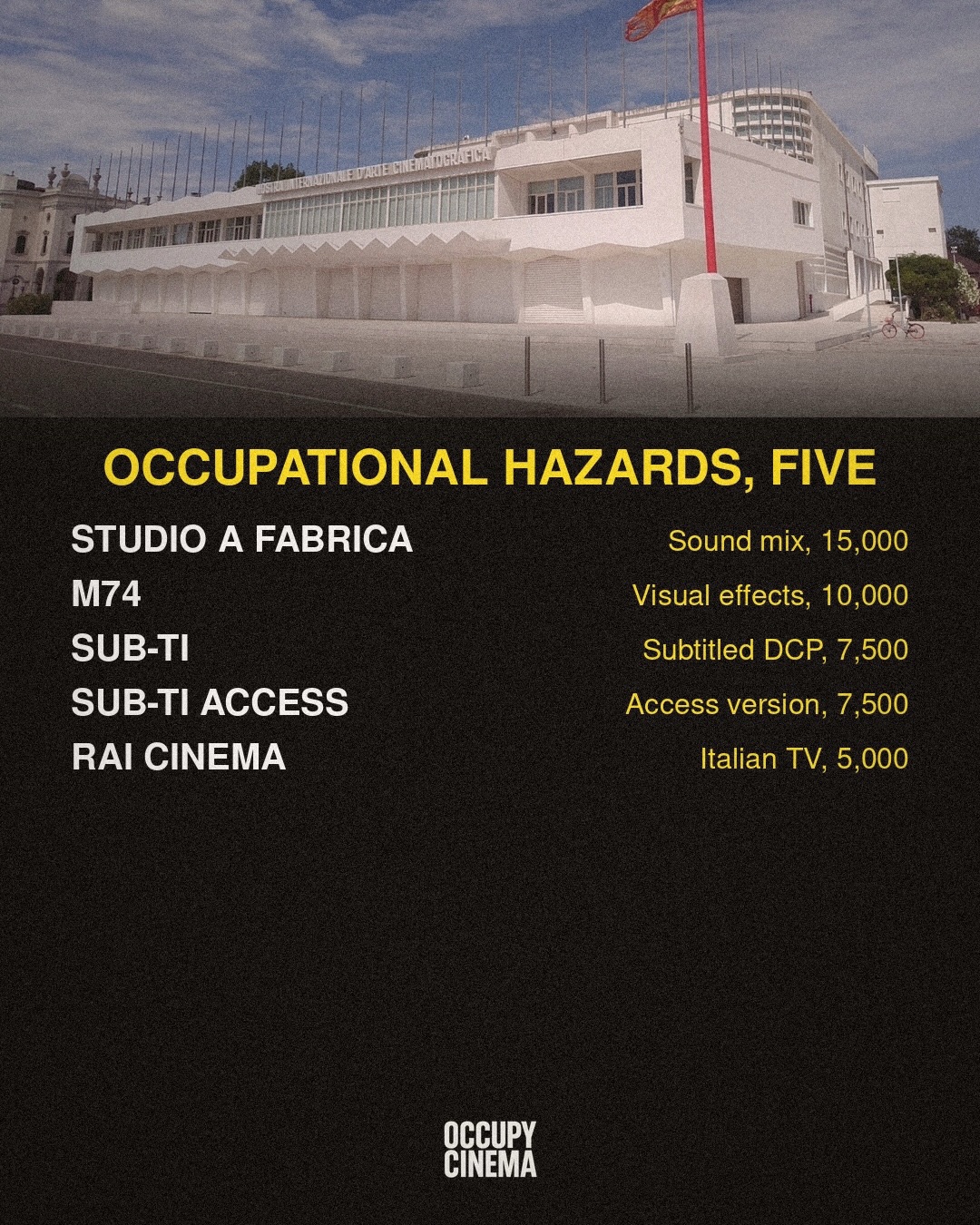
Jordanian director Bassel Ghandour's 'Occupational Hazards' also secured five prizes, highlighting the program's impact across diverse regional voices. Ghandour, known for his work as a writer on 'Theeb', brings a keen eye for character and social commentary. The recognition from Final Cut provides his latest endeavor with the necessary polish to compete on a global stage. These films represent a significant investment in storytelling from areas often underrepresented in mainstream cinema, offering unique perspectives and narratives rarely seen outside their countries of origin.
A Growing Demand for Completion Funds
The program's 14th edition also celebrated a historic first: Abraham Gezahagne's 'Mehal Sefari' became the inaugural Ethiopian project selected. This inclusion not only broadens the geographical scope of Final Cut's impact but also shines a light on emerging cinematic talents from East Africa. The demand for such initiatives is clear. As indie production models evolve, often relying on patchwork funding and international co-productions, the final stretch of post-production frequently becomes the most precarious. Festivals like Venice stepping in with targeted support are not just benevolent gestures; they are critical infrastructure for the global film ecosystem.
The awards, primarily in kind, are a testament to the pragmatism of Final Cut. A film may have a strong rough cut, but without proper sound design, accurate color correction, and professional subtitling, its marketability and audience reach are severely limited. These services, often costing tens of thousands of dollars, can be prohibitive for independent productions. The 17 prizes distributed underscore a belief in the artistic merit of these six films and a commitment to ensuring they are presented at their highest possible quality.
Final Cut in Venice demonstrates a clear understanding of the bottlenecks in independent film production. By addressing the critical need for post-production finishing, the program doesn't just offer awards; it provides a direct pathway for these films to move from promising works-in-progress to fully realized cinematic achievements, ready for audiences and distributors worldwide. It's a pragmatic intervention that directly impacts the viability of diverse voices in global cinema. The Hollywood Reporter and Variety have extensively covered the festival's market initiatives, often highlighting the crucial role of such programs in fostering international co-productions and distribution deals. This year’s numbers confirm the ongoing, urgent demand for such platforms, proving that for many filmmakers, the battle isn't just to make a film, but to finish it.