Occupy Cinema › Business
The Golden Era of American Summer Nostalgia: How Turn-of-the-Century Cinema Captured Youth
Between 1998 and 2006, mid-budget American films used 35mm film stock and natural light to create an unforgettable visual language of suburban youth.
By Occupy Cinema ·
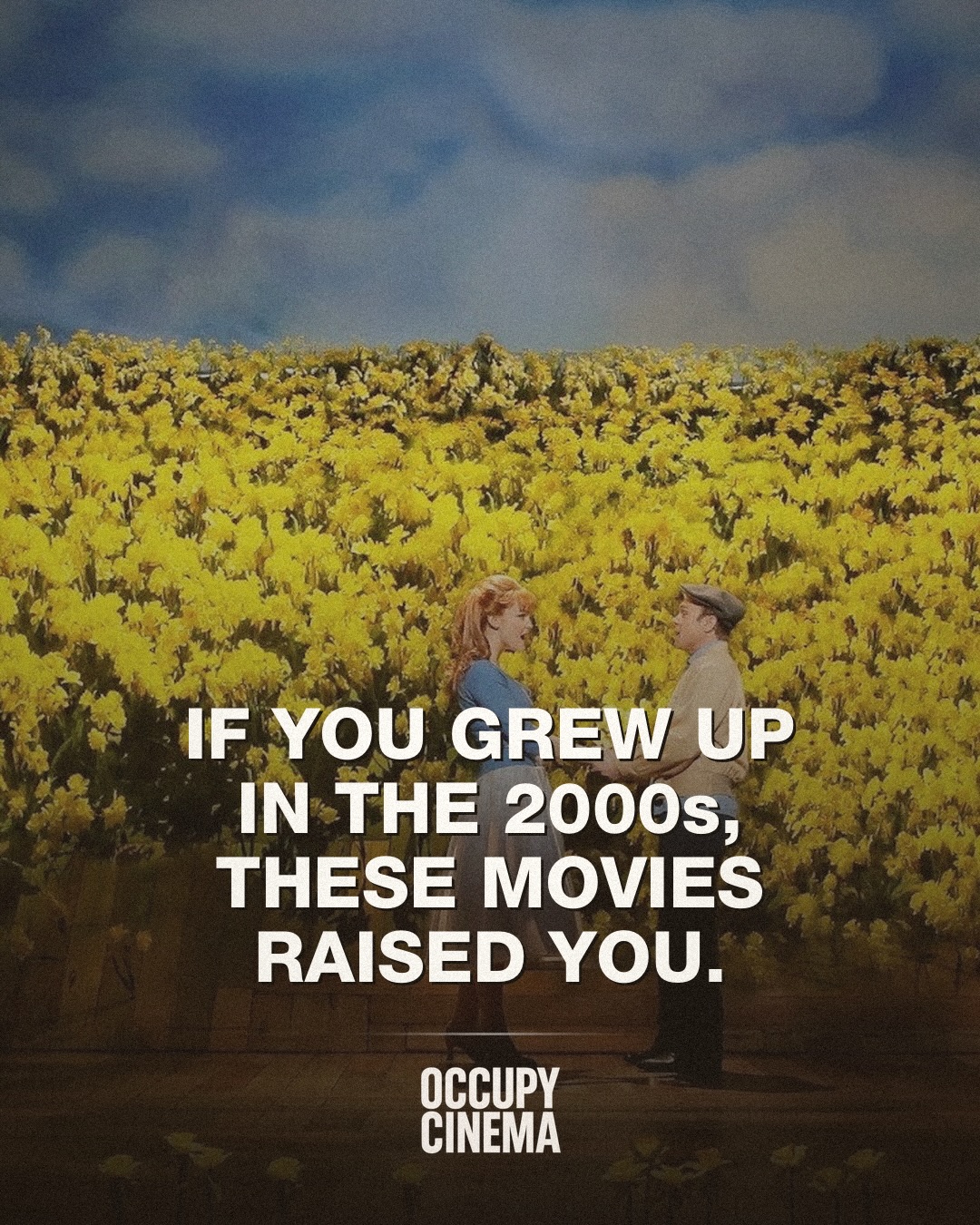
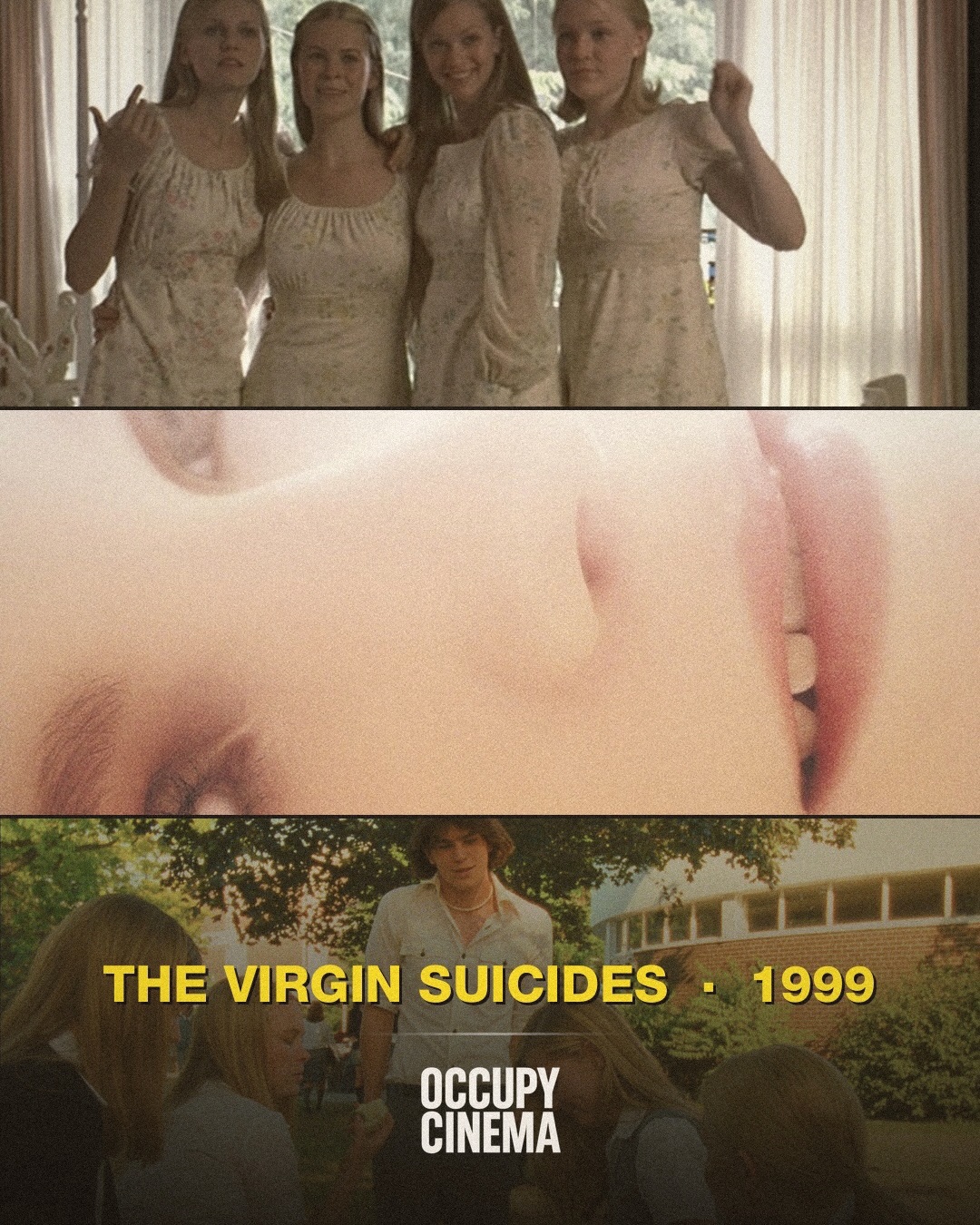
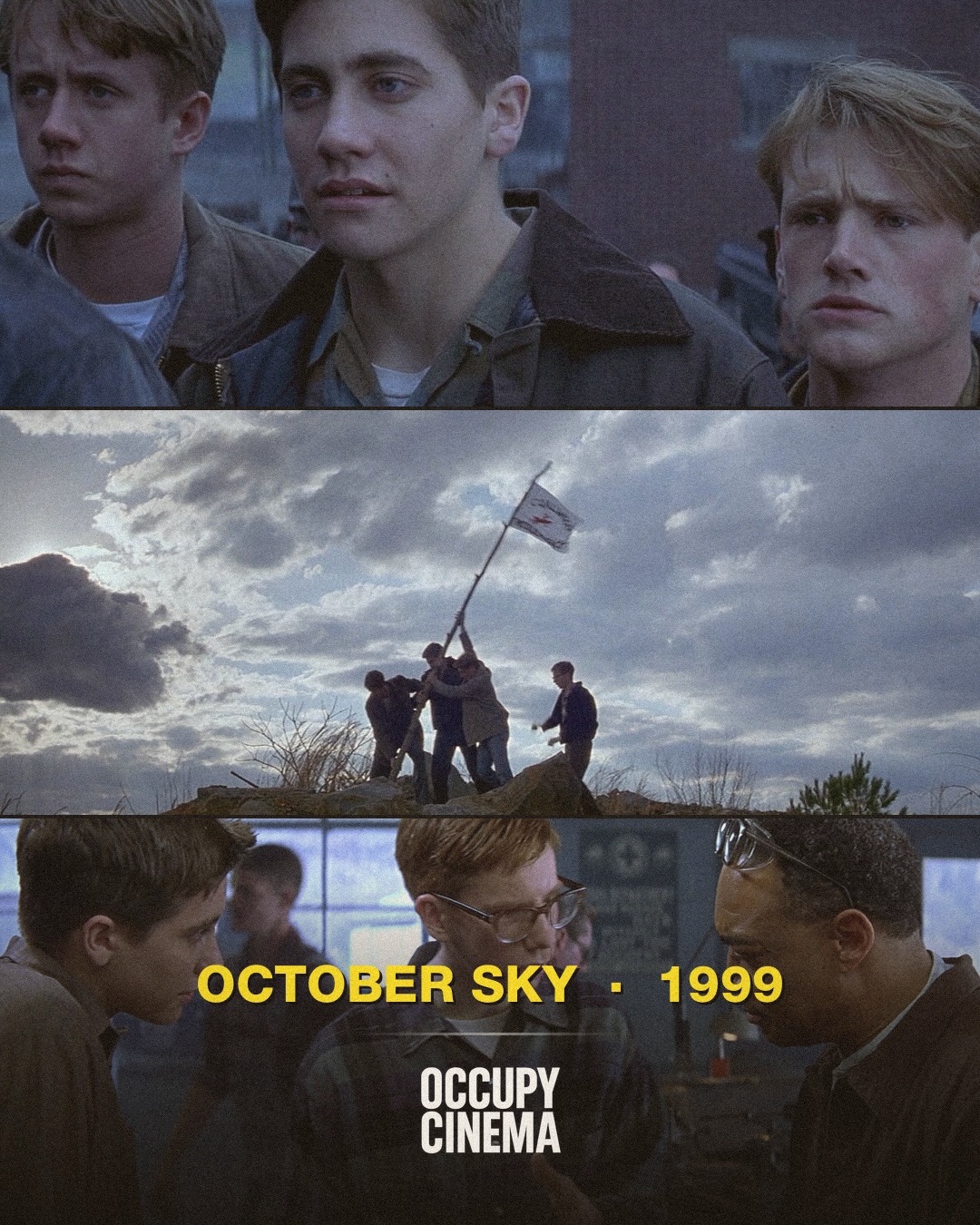
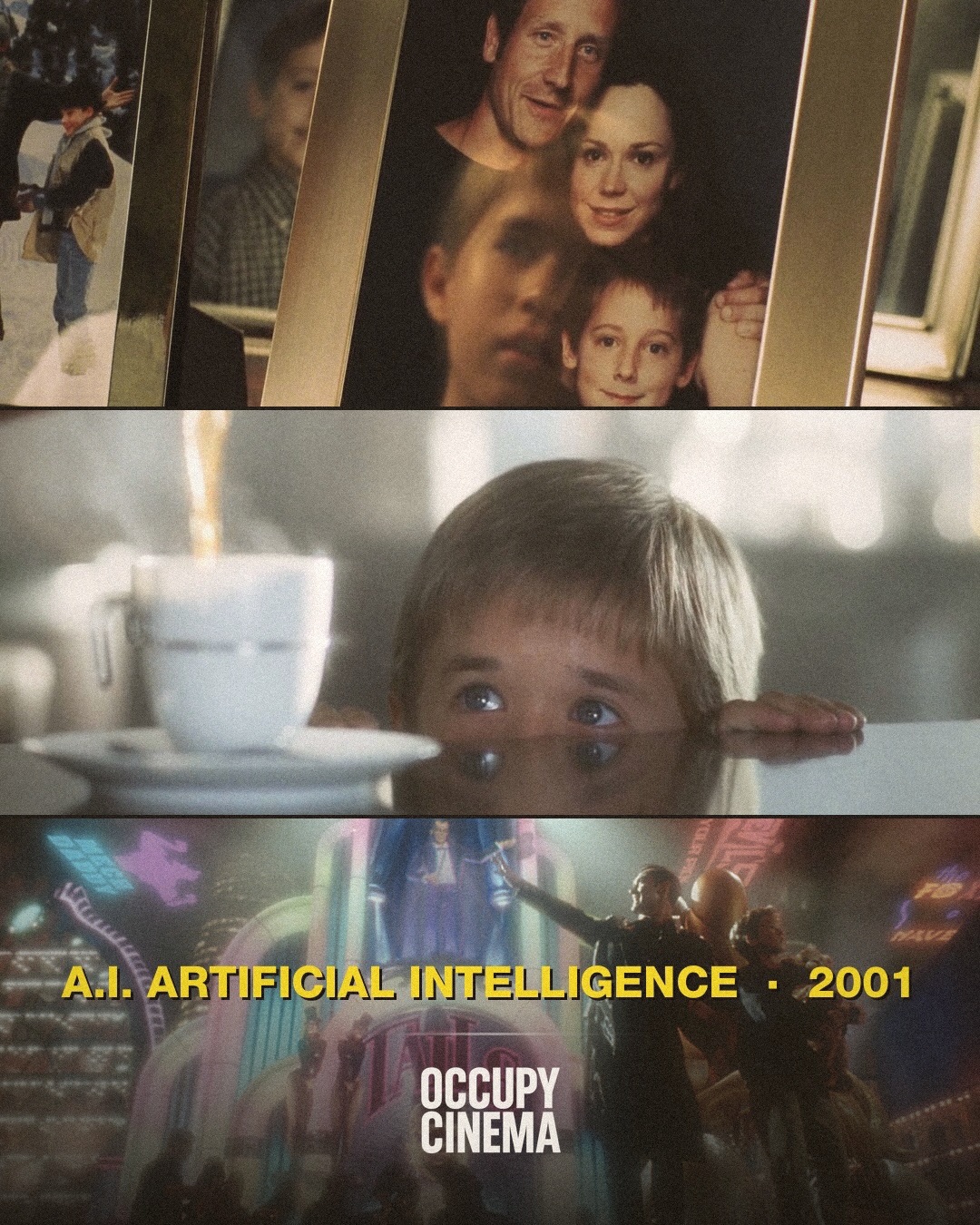
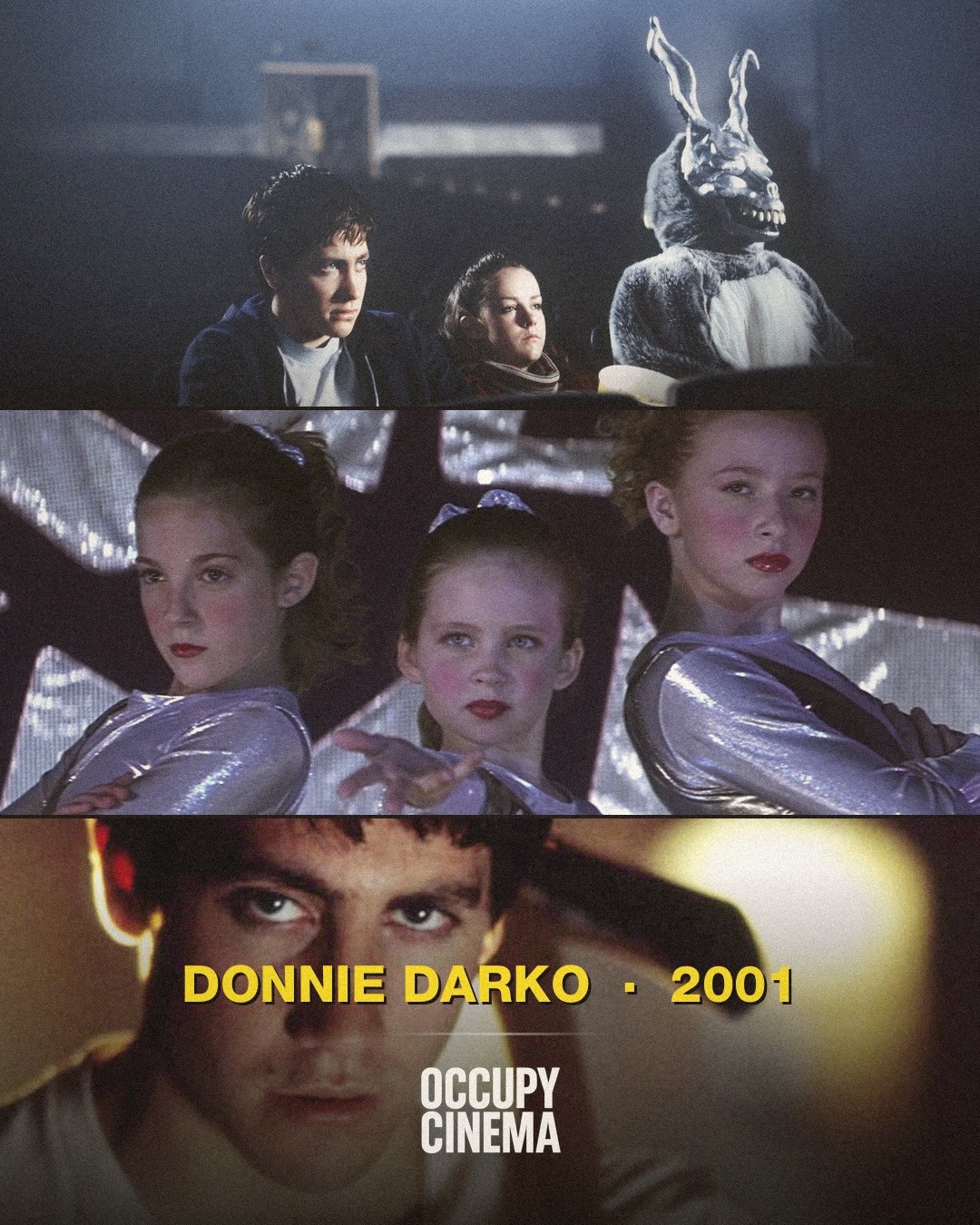
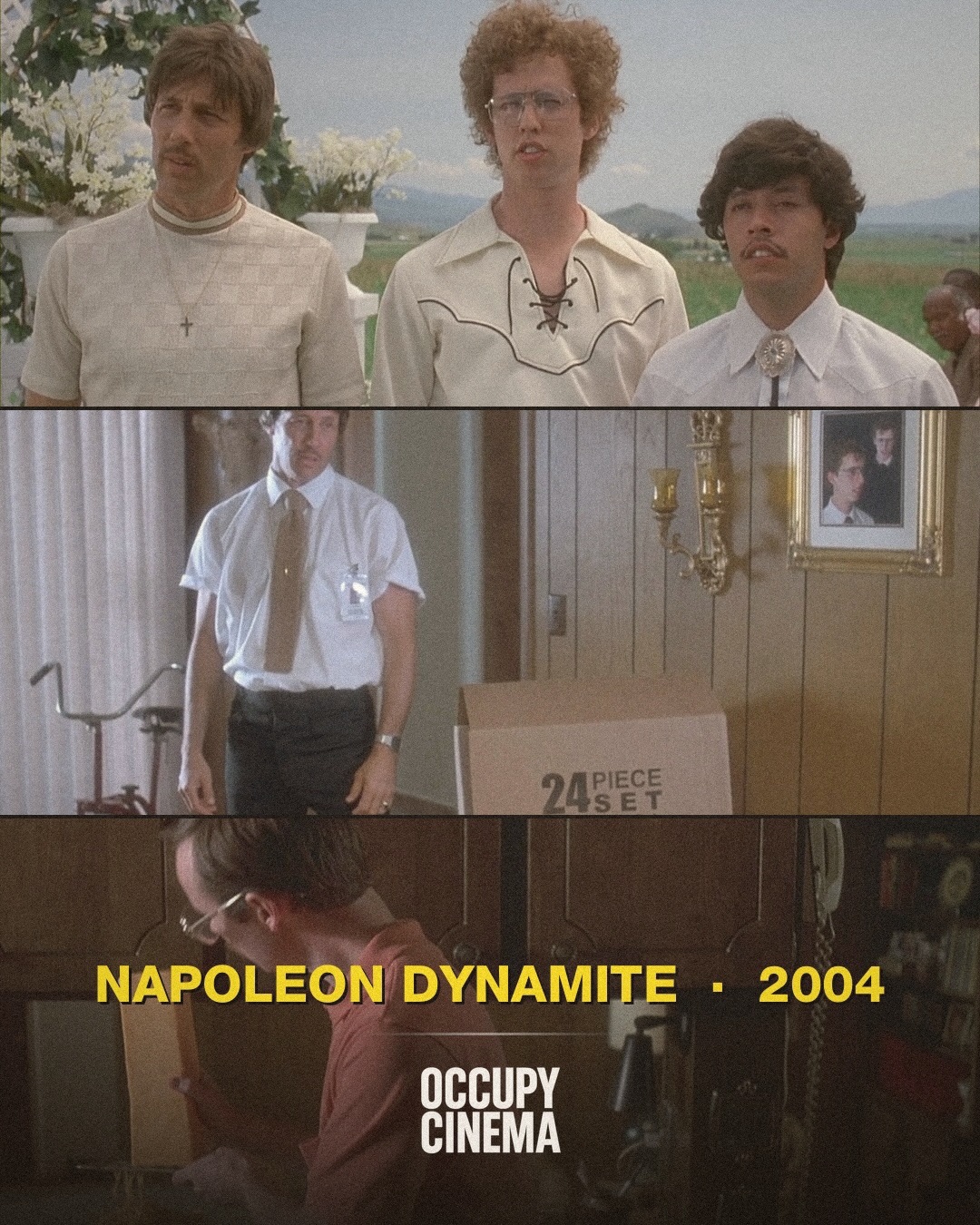
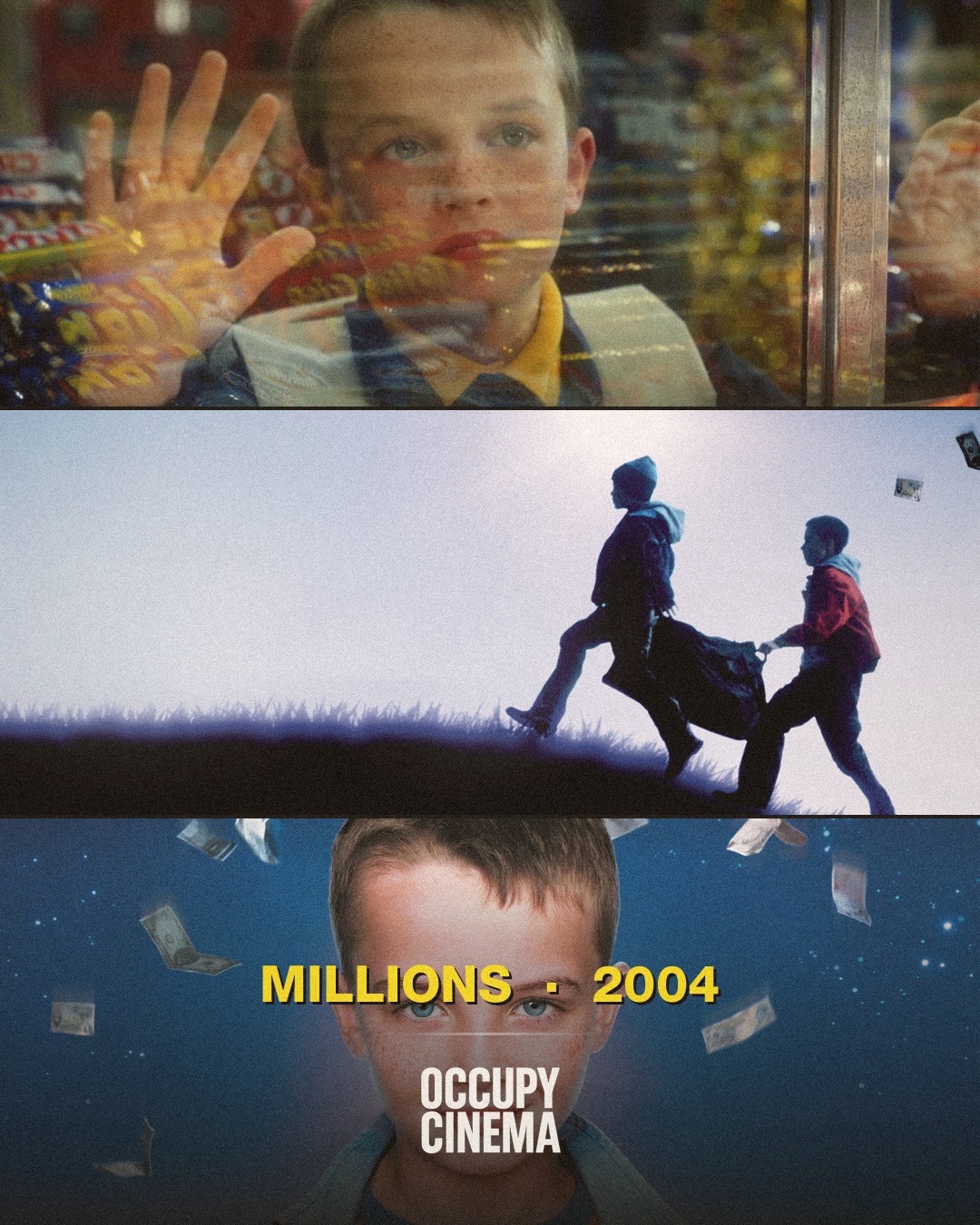
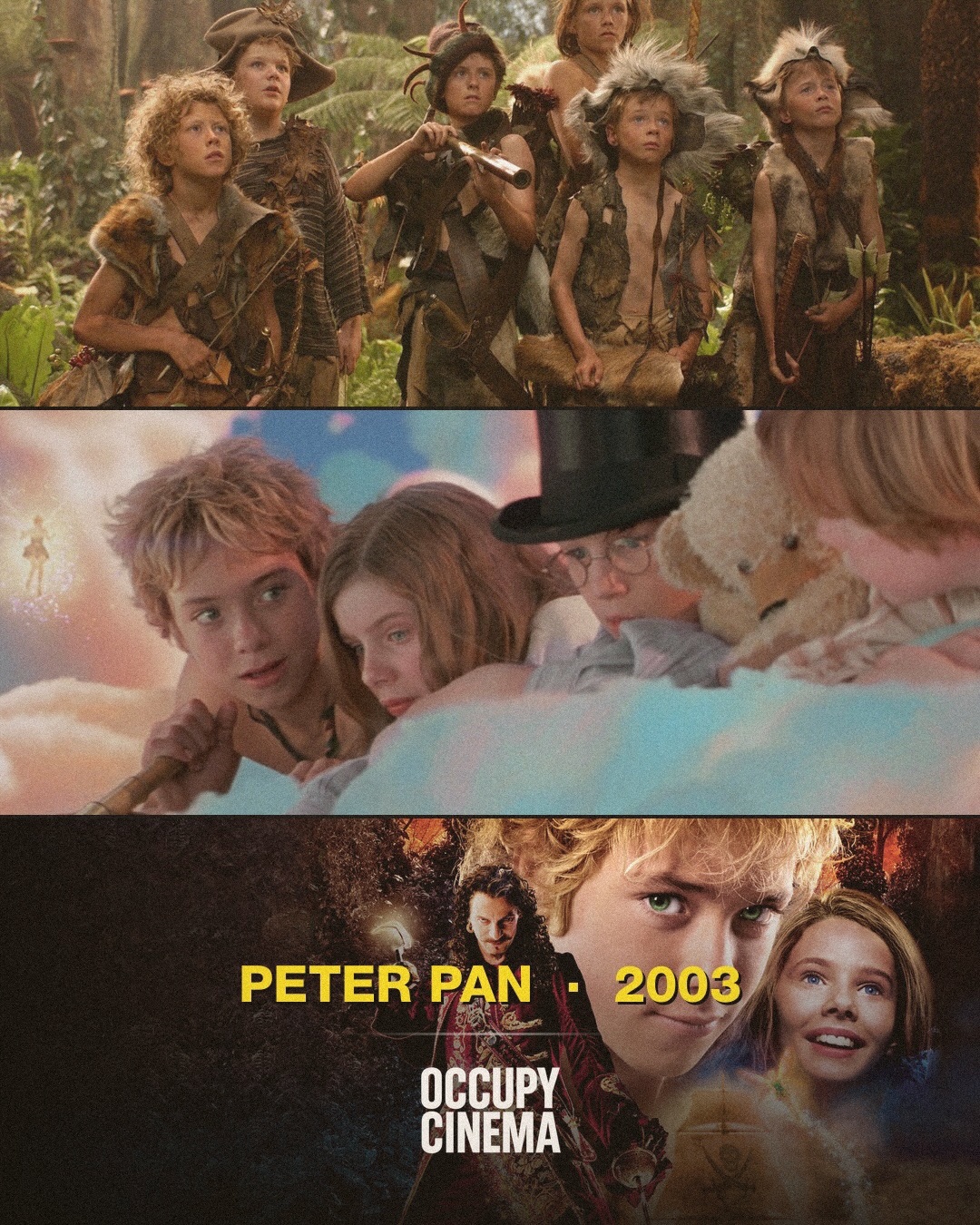
The late 1990s and early 2000s marked a distinct, final epoch in mid-budget American filmmaking. Before streaming algorithms flattened visual palettes into uniform digital sheen, studio slates made room for sun-drenched, melancholic visions of youth. Between 1998 and 2006, titles like Sofia Coppola's The Virgin Suicides (1999) and Brad Bird's The Iron Giant (1999) established a visual language built on 35mm grain, lens flares, and unhurried pacing. It was a brief window where studio capital routinely funded deeply atmospheric coming-of-age cinema.
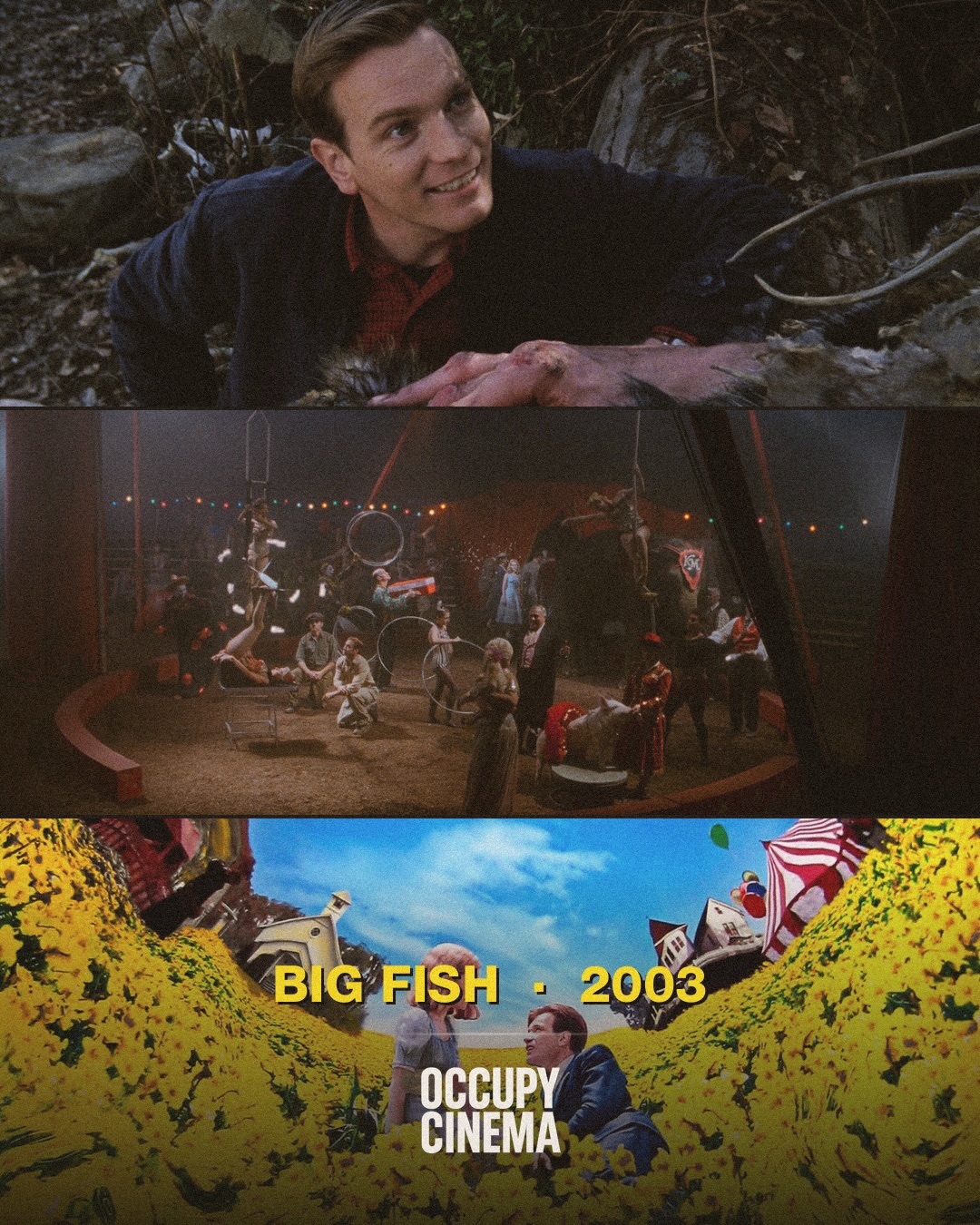
The economics of that era supported mid-budget bets that would struggle for theatrical distribution today. Coppola's feature directorial debut was produced for roughly $6 million and distributed by Paramount Classics, earning critical acclaim and proving that soft-lit suburban melancholy had a viable theatrical narrative. Meanwhile, Tim Burton's Big Fish (2003) pulled in over $122 million globally on a $70 million budget for Columbia Pictures. Studios were still willing to invest tens of millions into character-driven stories anchored by tactile production design and practical locations.
The Craft of Naturalistic Light and Photochemical Grain
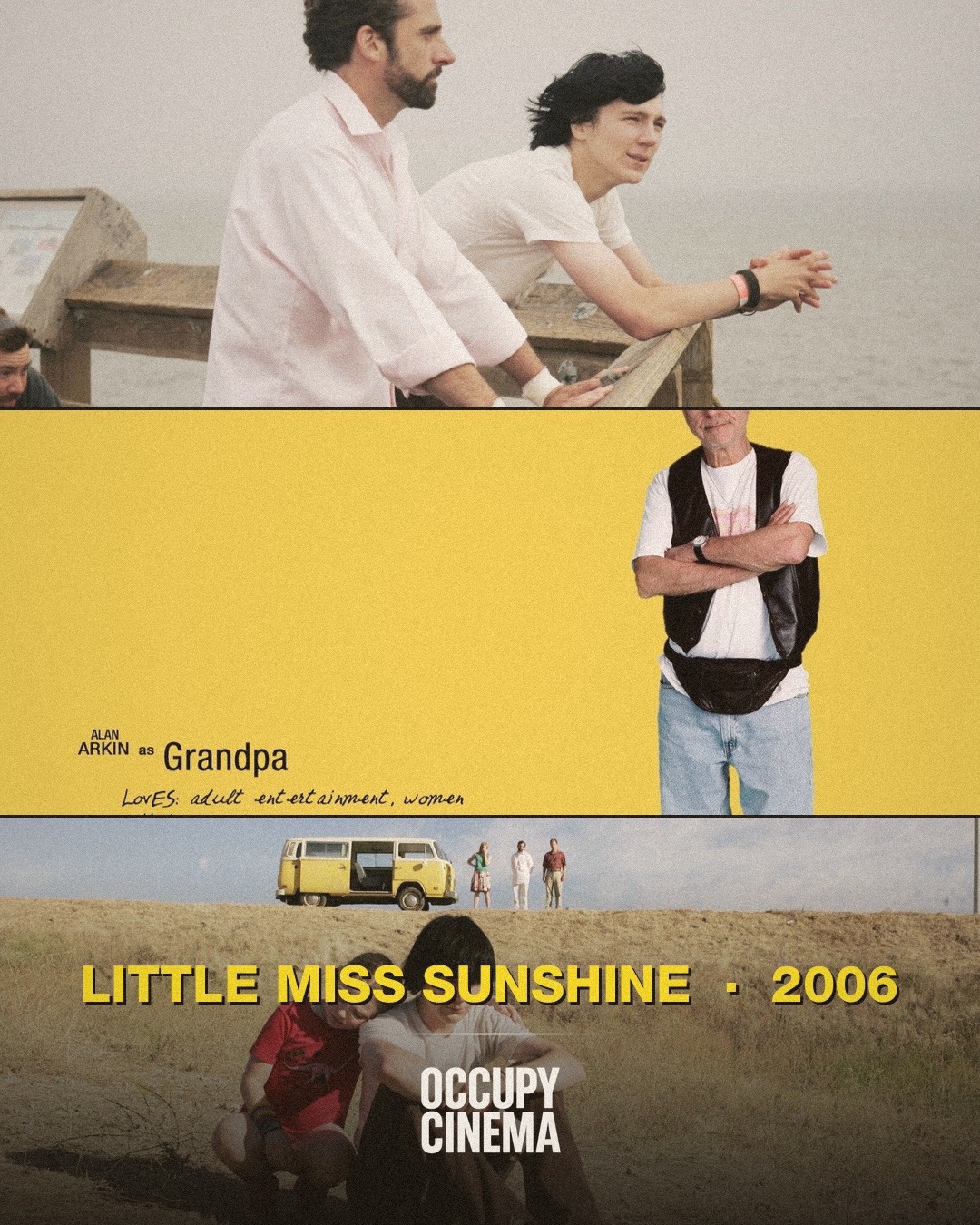
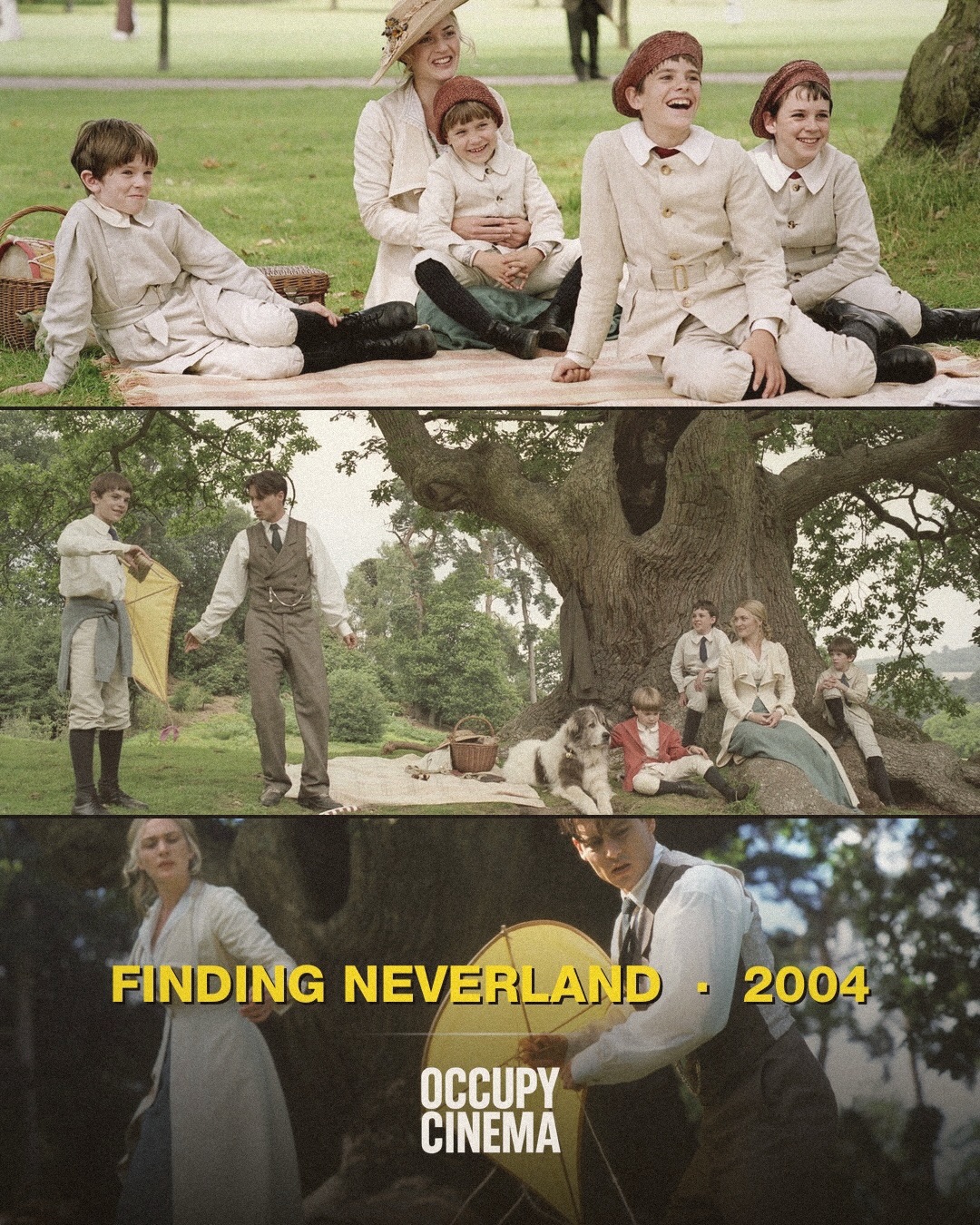
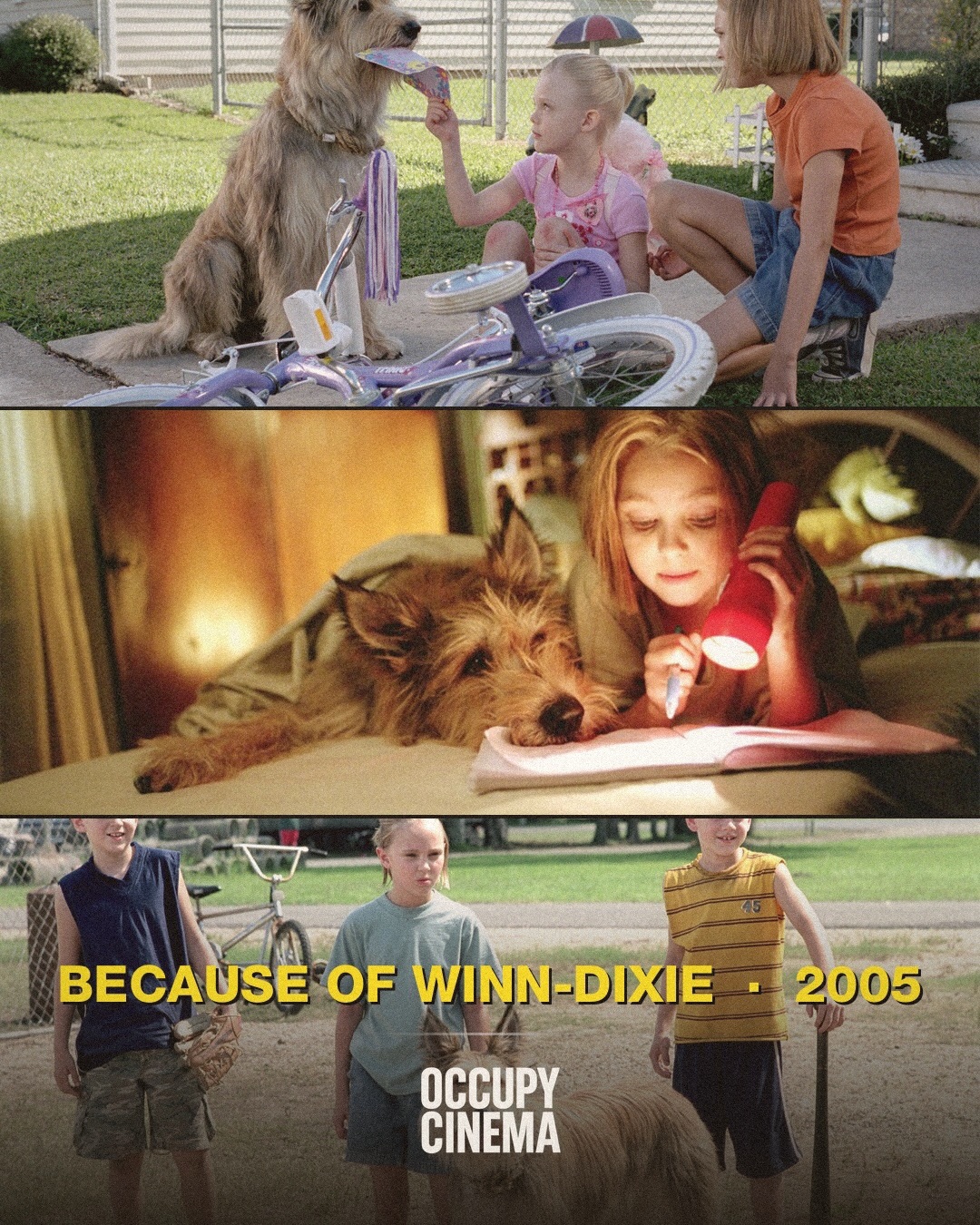
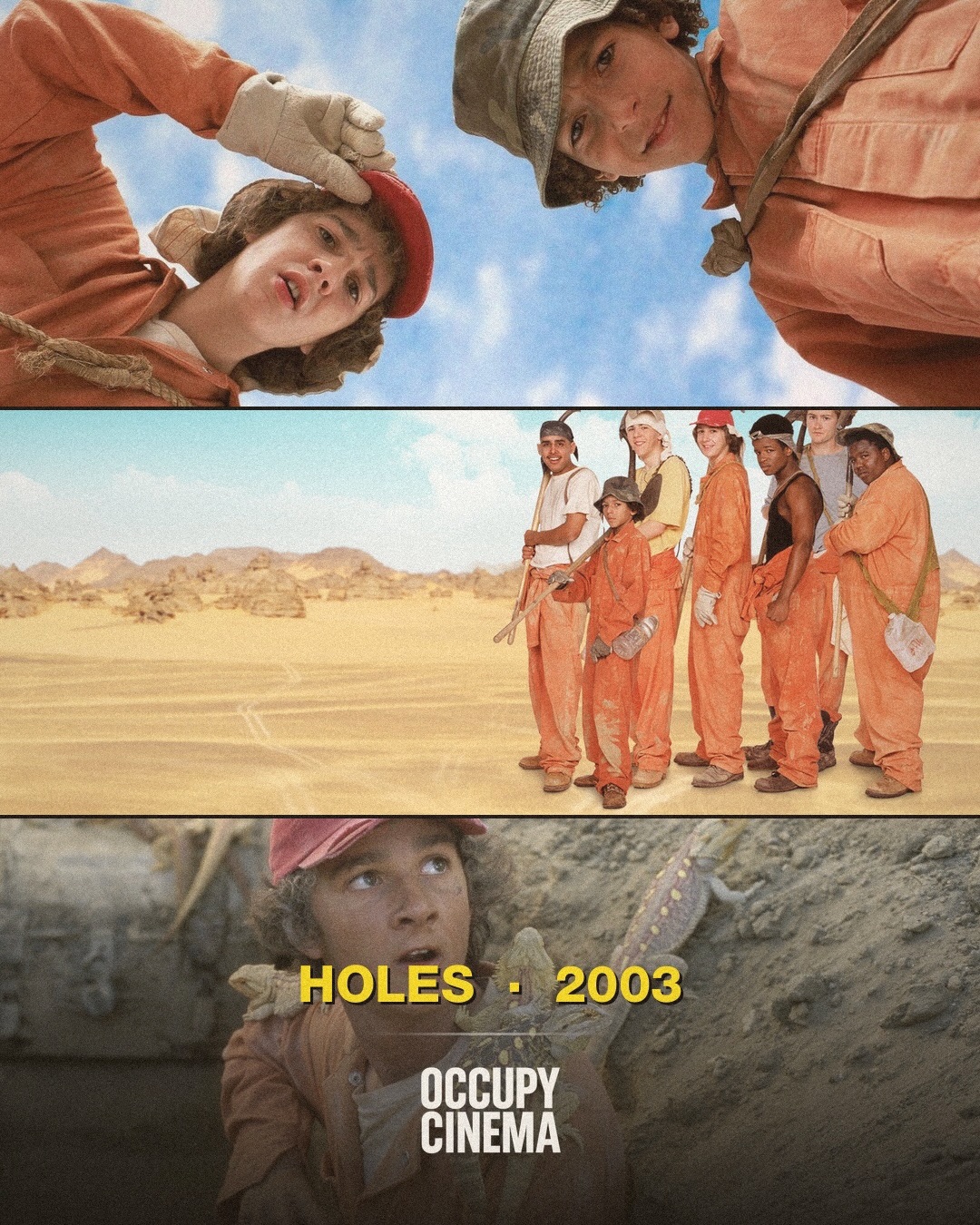
Cinematography in this period relied heavily on naturalistic lighting setups and specialized film stock options. Working with cinematographer Edward Lachman on The Virgin Suicides, Coppola utilized warm color filters and soft diffusion to evoke the haze of a midwestern summer. The visual texture felt immediate and tactile. Similarly, live-action adaptations like Holes (2003) and Because of Winn-Dixie (2005) capitalized on wide-angle lenses and high-contrast sunlight, transforming southern and suburban landscapes into active participants in the story.
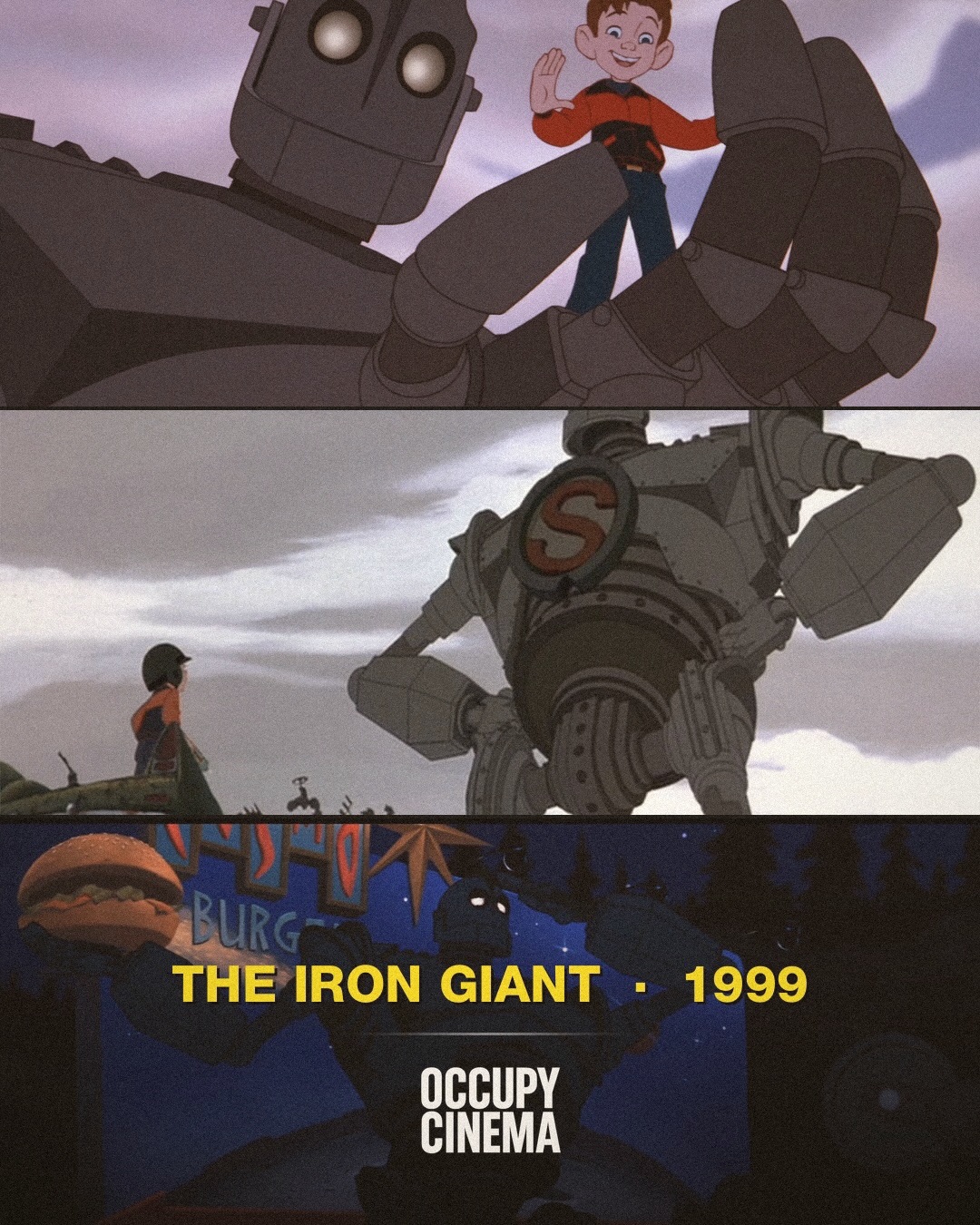
Industry coverage from outlets like The Hollywood Reporter routinely tracked how these mid-budget titles found robust secondary lives on physical media formats. The DVD boom allowed theatrical underperformers like The Iron Giant to build massive, profitable audiences over time. Warner Bros. originally mismanaged the marketing campaign for Bird's animated masterpiece, resulting in a disappointing $23 million domestic theatrical run. Yet home video revenue turned the film into a classic, proving that audiences hungered for hand-drawn artistry and emotional depth.
Why the Mid-Budget Pastoral Disappeared
The shift from 35mm photochemical film to high-definition digital capture during the late 2000s fundamentally altered how directors framed childhood. As digital color grading pushed cinema toward cool blues and hyper-saturated hues, the dusty amber tones of turn-of-the-century cinema faded. At the same time, major studios began consolidating production budgets around global franchise intellectual property. The $15 million to $40 million budget tier, which once nurtured projects like Holes, was systematically dismantled by major distributors pursuing hundred-million-dollar blockbusters according to industry analysis at Variety.
Today, the aesthetic revival of 1998 to 2006 films across digital platforms is not just nostalgia for youth. It is a reaction against the visual homogeneity of modern streaming content. Viewers recognize that the screen doors, running hoses, and golden afternoons captured in that era were not just thematic choices. They were the result of physical film stocks, real sunlight, and studio executives who still believed that small stories deserved big screens.
Related reading: Production Design for Screen.