Occupy Cinema › Casting
Inde Navarrette's 'Obsession' Gamble and the Brutal Economics of Indie Horror Stardom
Following an eighteen-month casting drought after wrap, Inde Navarrette's lead turn in Curry Barker's supernatural thriller proves why low-budget horror remains Hollywood's sharpest talent incubator.
By Occupy Cinema ·
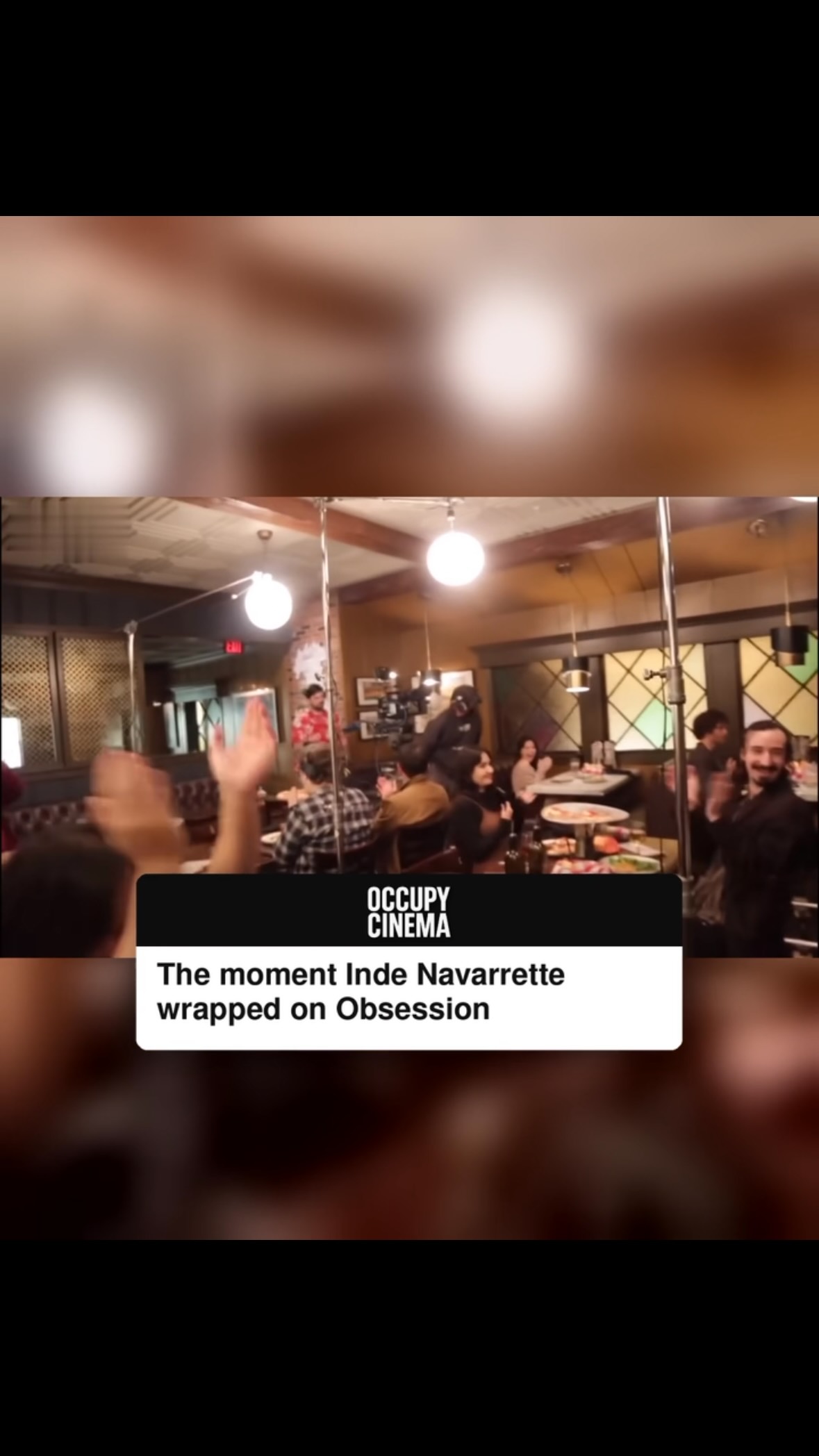
The wrap photo captures the deceptive quiet of an independent production finish. Inde Navarrette completed principal photography on Obsession, starring as Nikki Freeman in the lean supernatural thriller, and then watched the industry go silent. For eighteen months, Navarrette did not book another role, navigating the protracted holding pattern that defines contemporary post-production cycles. When the project eventually premiered at the Toronto International Film Festival and secured a wide domestic theatrical rollout via Blumhouse and Capstone, the career arithmetic flipped overnight.
Written and directed by Curry Barker, Obsession operates directly inside the high-discipline framework that transformed modern genre distribution. The film trades costly set-piece mechanics for psychological escalation, sustained camera framing, and claustrophobic interior choreography. For an actor, this model offers zero cover. Navarrette was required to anchor almost every sequence, absorbing the emotional physical toll of a narrative driven entirely by isolation and dread.
The High-Risk Pipeline of Mid-Market Genre
The modern theatrical landscape relies on genre titles as its primary counter-programming weapon. Trade publications like Deadline consistently highlight how micro-budget and low-budget horror remains the most reliable profit center in exhibition. Yet for the creative talent in front of the lens, the timeline between wrap day and theatrical monetization carries massive personal risk. Color grading, sound design, festival submissions, and domestic acquisitions routinely eat up two full calendar years.
Toronto festival positioning provided the catalyst. Launching on the international festival circuit allowed Obsession to build critical momentum before Capstone and Blumhouse slotted its late-spring domestic run. The release strategy captured an underserved theatrical corridor, positioning Navarrette at the center of a sustained marketing campaign that transformed an uncertain wait into a breakout showcase.
Sustaining Momentum in a Fickle Market
The trajectory reflects broader industry realities tracked across platforms like Variety, where low-overhead genre features serve as the primary proving ground for emerging talent. Unlike sprawling franchise blockbusters that bury performances under visual effects, lean supernatural thrillers isolate the actor's craft. Navarrette's screen presence, marked by tightly modulated panic and physical endurance, proved to be the precise engine the distributor needed to sell tickets.
Navarrette's eighteen-month career hiatus before the film's breakout reception illustrates the unforgiving rhythm of modern independent filmmaking. Talent does not insulate an actor from distribution lag or market consolidation. However, when disciplined directorial craft converges with smart genre distribution, independent horror continues to offer the fastest, most decisive route to industry leverage.
Related reading: Sound Design (Sonnenschein).