Occupy Cinema › Box Office
Wall-Crawler Economics: Inside the $10 Billion Box Office History of Spider-Man
Three actors, eleven films, and unprecedented studio deals. As Destin Daniel Cretton steps up for Spider-Man 4, we break down the financial evolution of Hollywood's most durable superhero.
By Occupy Cinema ·
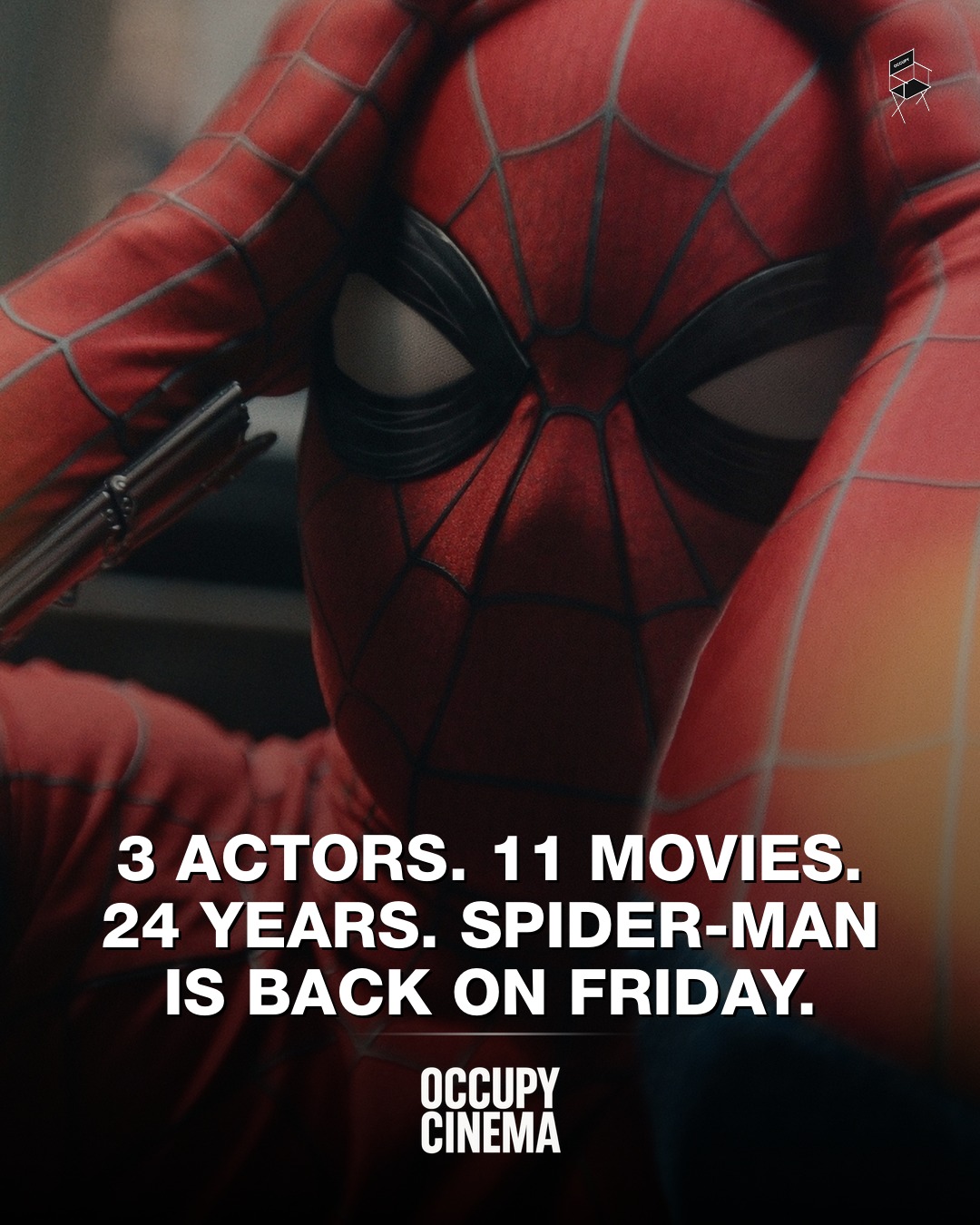
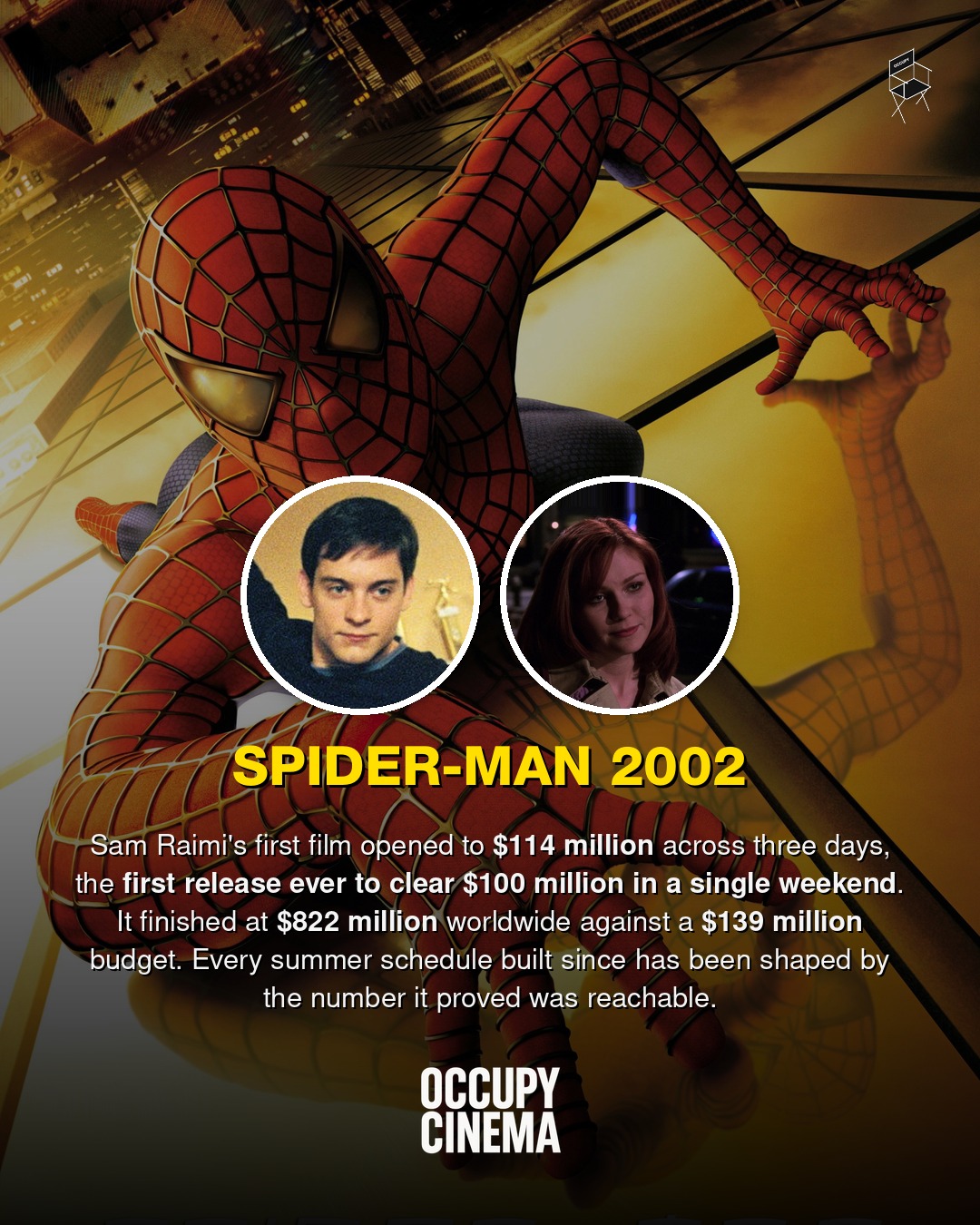
In May 2002, director Sam Raimi changed box office tracking forever. Spider-Man became the first film in theatrical history to cross $100 million in a single opening weekend, eventually concluding its global run at a massive $822 million. More than two decades and eleven feature releases later, the web-slinger remains Sony Pictures' ultimate crown jewel and arguably the most financially resilient intellectual property in modern superhero cinema. The franchise has survived shifting theatrical trends, corporate restructuring, and multiple continuity resets while consistently delivering staggering returns at the global box office.
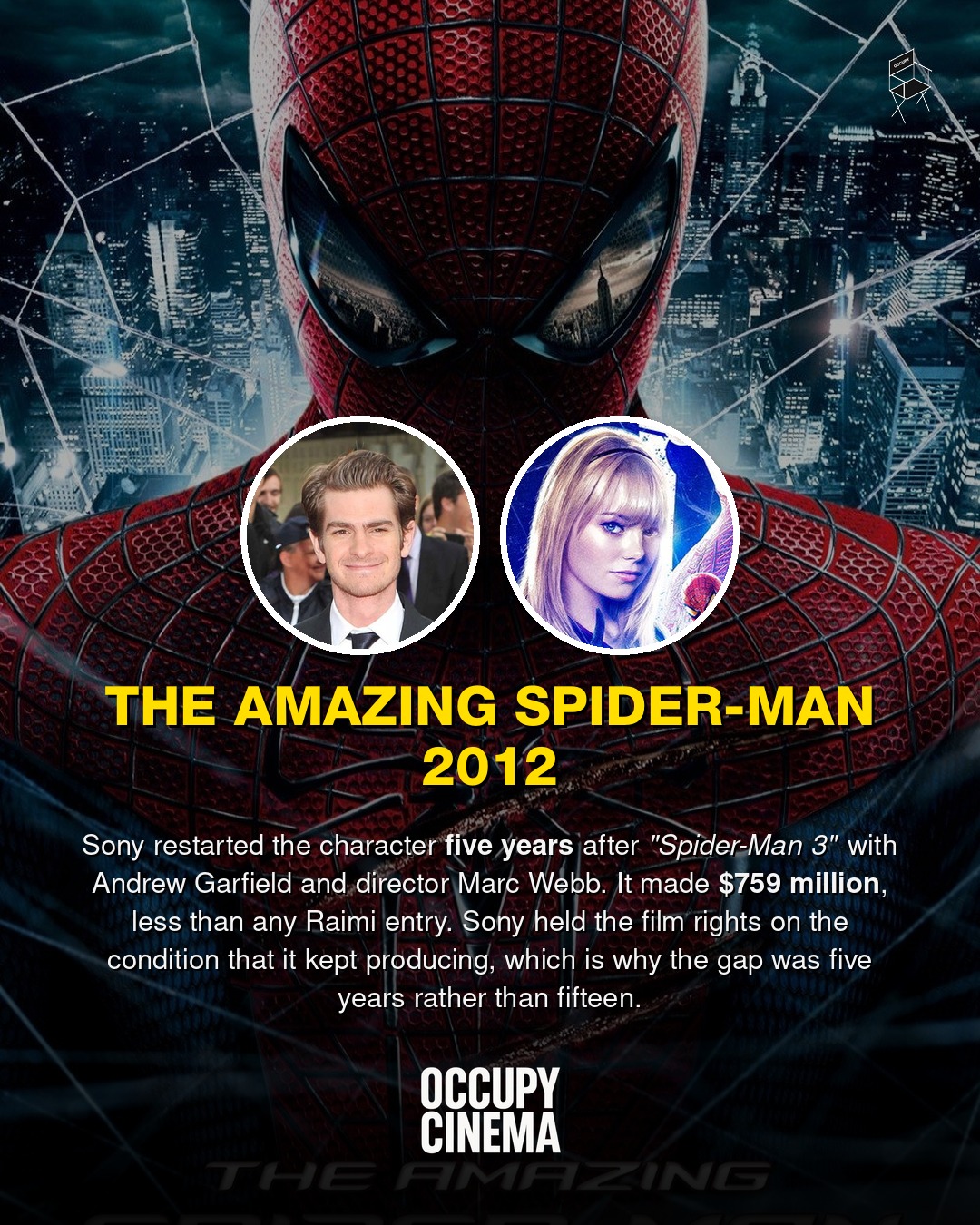
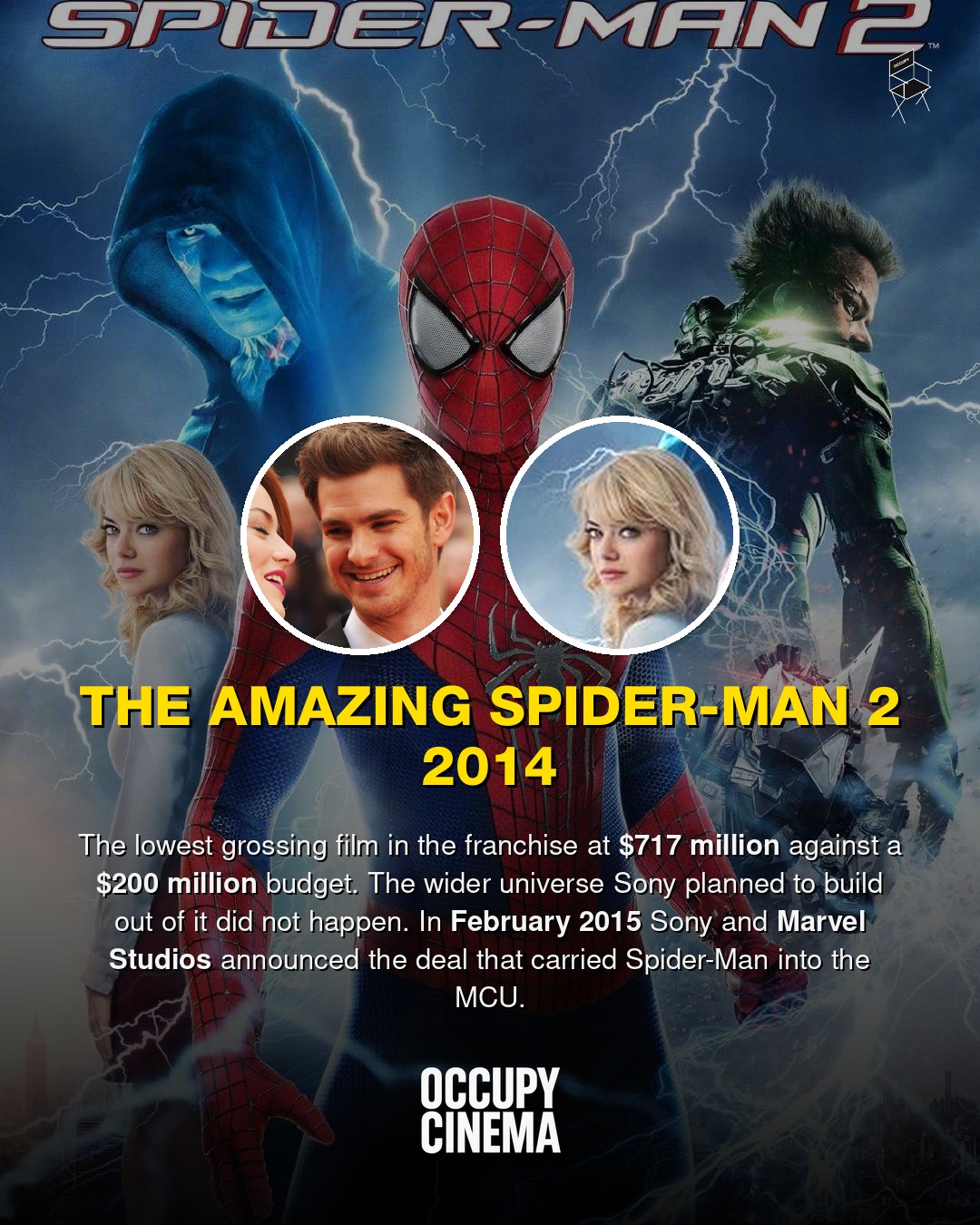
The studio's aggressive management of the character stems directly from long-standing contractual mechanics. Under the original licensing terms, Sony was required to keep the property in active production within strict multi-year windows or forfeit the film rights back to Marvel. That relentless clock forced the launch of The Amazing Spider-Man in 2012, followed quickly by its 2014 sequel. But when The Amazing Spider-Man 2 faltered with critics and posted a live-action franchise low of $709 million worldwide, Sony recognized a structural vulnerability in its tentpole strategy. As reported by The Hollywood Reporter, that sudden financial friction catalyzed the groundbreaking February 2015 alliance with Marvel Studios, bringing Peter Parker directly into the Marvel Cinematic Universe.
The MCU Alliance and Animated Innovation
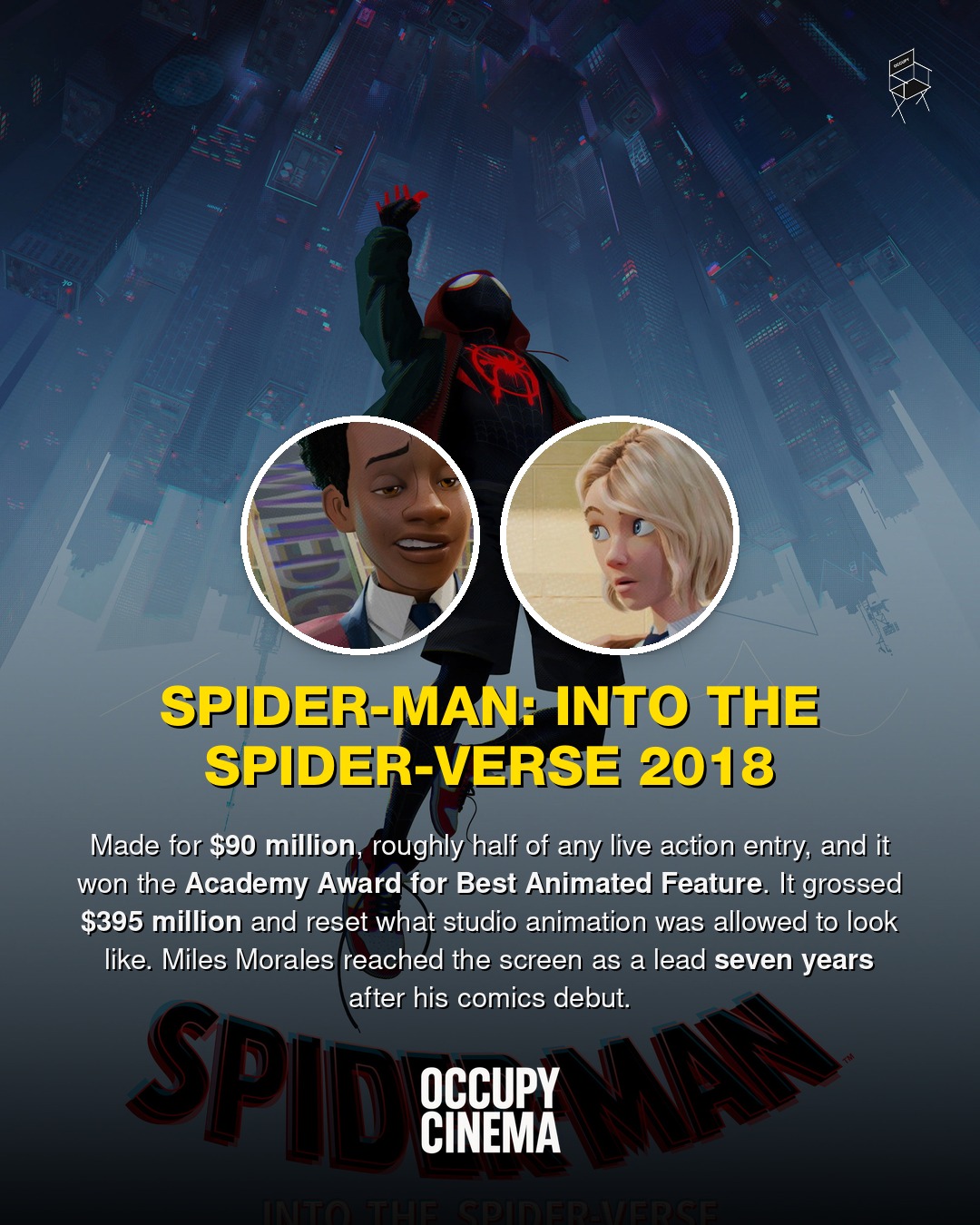
Integrating Tom Holland into the MCU rebooted public interest and unlocked an unprecedented sequence of box office successes. Yet Sony simultaneously achieved critical and financial reinvention on an entirely different front. In 2018, Spider-Man: Into the Spider-Verse was mounted on a disciplined $90 million budget, roughly half the cost of modern live-action comic book spectacles. The film grossed $384 million globally, won the Academy Award for Best Animated Feature, and altered the visual language of studio animation through its groundbreaking blend of hand-drawn comic aesthetics and CG rendering techniques.
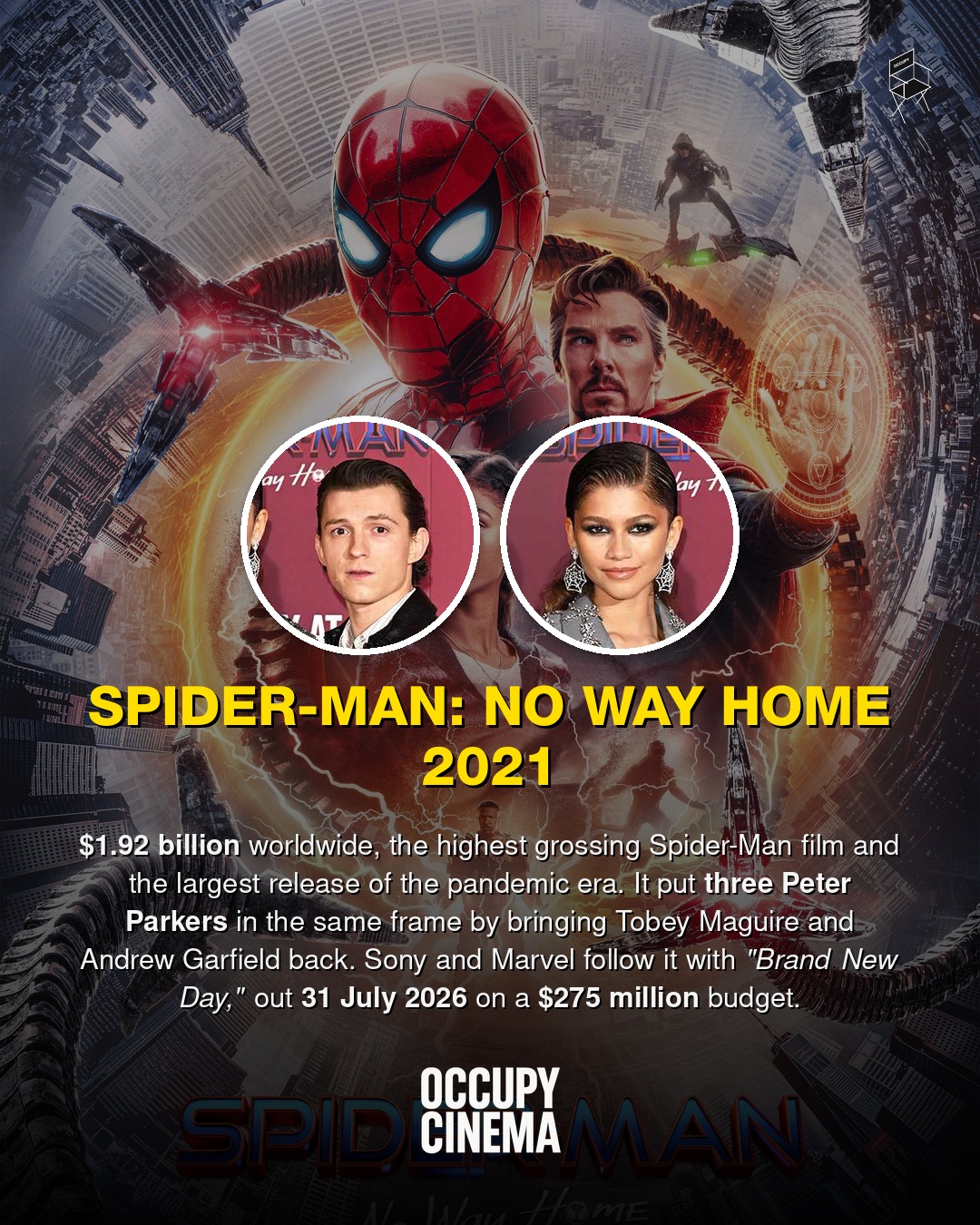
The commercial peak of this multi-tiered character strategy arrived in December 2021 with Spider-Man: No Way Home. By weaving three generations of Peter Parkers into a single narrative frame, the film transformed nostalgia into unprecedented theatrical demand. According to historical tracking from Deadline, the blockbuster grossed $1.92 billion worldwide, becoming one of the highest-earning cinematic releases in history even while operating under severe post-pandemic market constraints and lacking a theatrical rollout in China.
A $275 Million Investment in the Future
Now, the live-action franchise prepares for its eleventh overall installment under director Destin Daniel Cretton. Carrying a reported production budget scaling toward $275 million, the fourth MCU entry represents one of the steepest financial investments in the character's cinematic history. Cretton, who previously proved his tentpole visual credentials on Shang-Chi and the Legend of the Ten Rings, inherits a property that has successfully weathered corporate co-productions, creative realignments, and shifting audience habits.
What sets the Spider-Man catalog apart in an increasingly uncertain theatrical landscape is structural resilience. Over twenty three years, executive leadership has used Peter Parker to build the modern superhero origin formula, pioneer multiversal crossover strategies, and elevate animated craft to top-tier commercial status. As production costs rise and studio slates contract across Hollywood, the wall-crawler remains the industry's ultimate reliable benchmark.


Related reading: The Illusion of Life: Disney Animation.