Occupy Cinema › FEATURED
Tim Curry, Iconic Performer and Cult Legend, Passes at 80
The entertainment world mourns the loss of Tim Curry, a singular talent whose career spanned stage and screen, leaving an indelible mark on cult classics and mainstream hits alike.
By Occupy Cinema ·
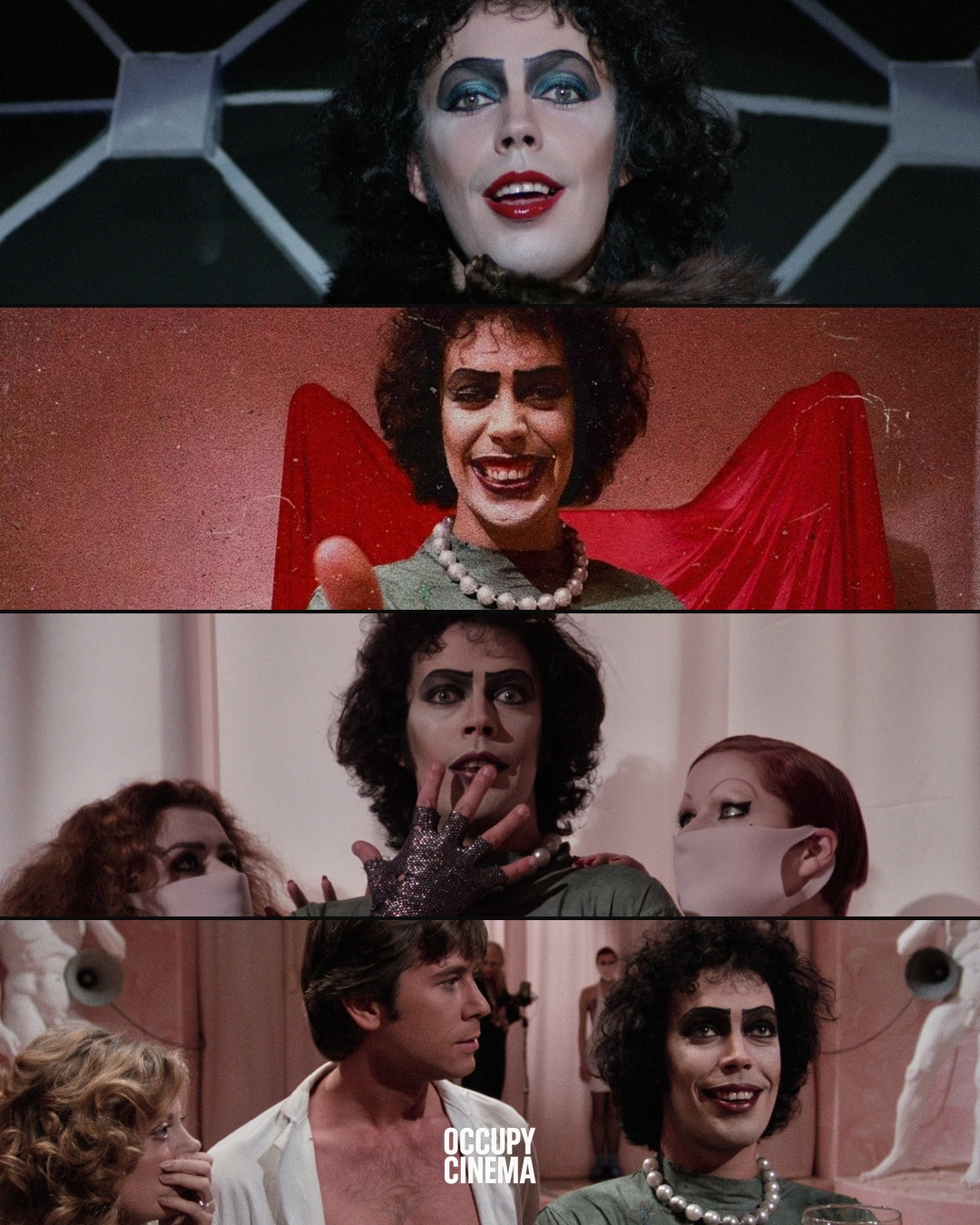
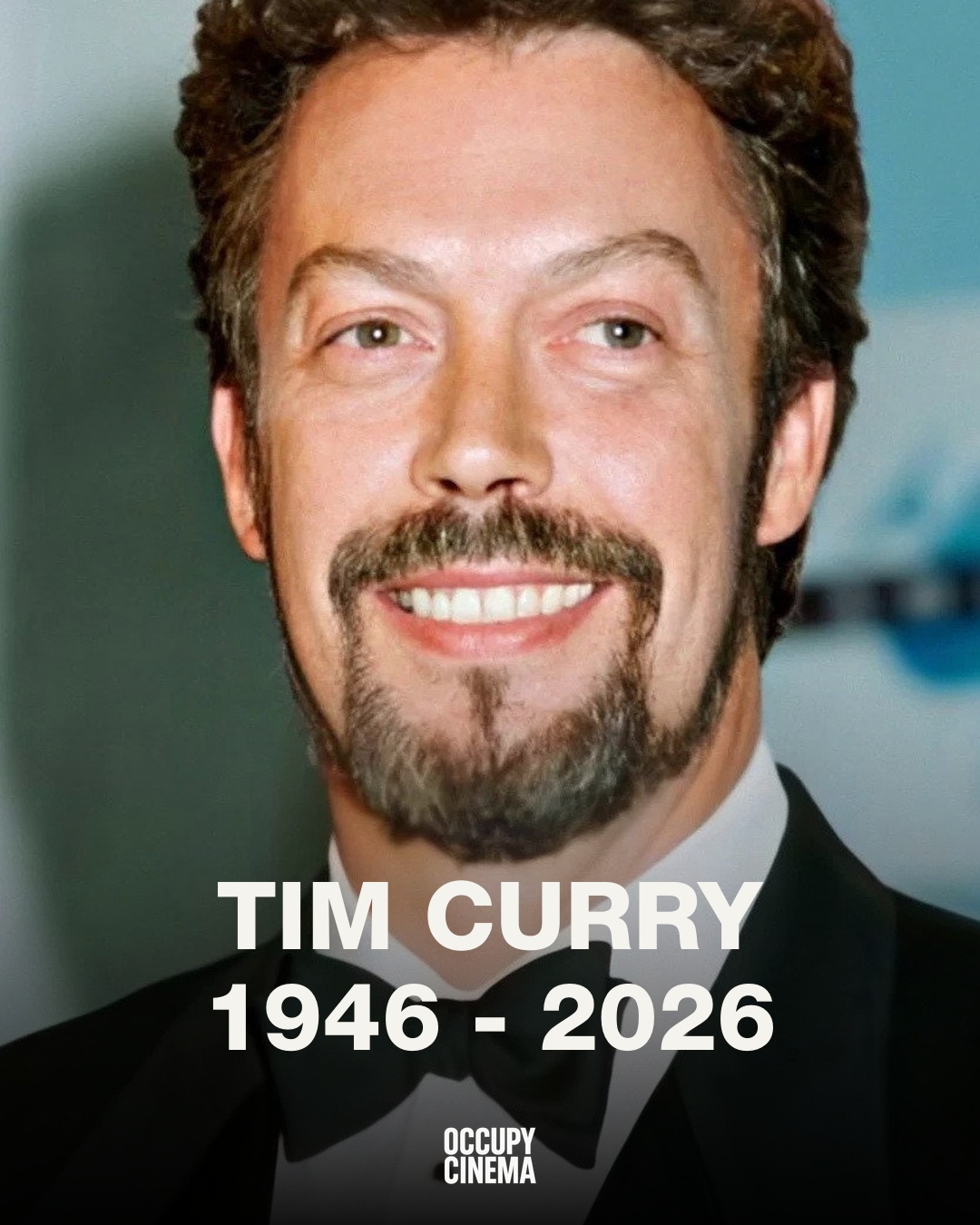
Tim Curry, the acclaimed actor whose transformative performances captivated audiences across generations, passed away in Los Angeles on August 25, 2026. He was 80 years old. His representative confirmed the cause of death as coronary artery disease. Curry's death marks the end of an era for fans of his distinctive theatricality and his unparalleled ability to embody characters ranging from the outrageous to the sinister. His legacy is etched deeply into the fabric of popular culture, particularly through his originating role as Dr. Frank-N-Furter, a performance that cemented his status as a queer icon and a cornerstone of cinematic history.
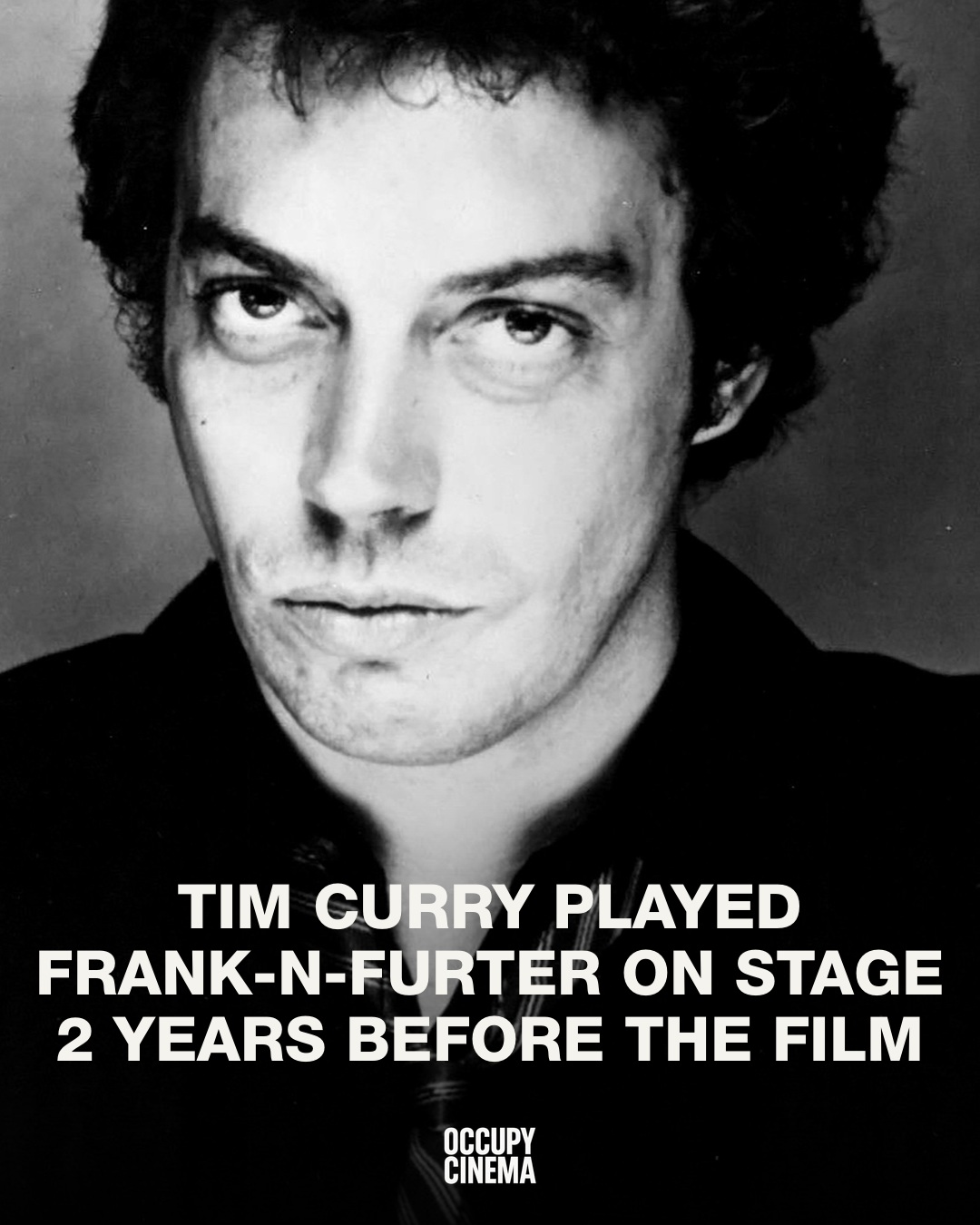
Curry's journey into the spotlight began on the London stage. In 1973, he first brought Dr. Frank-N-Furter to life in 'The Rocky Horror Show' at the Royal Court Theatre. This groundbreaking performance would translate two years later to the big screen in 'The Rocky Horror Picture Show', a film that defied initial box office struggles to become the longest-running theatrical release in film history. The movie, produced on a modest budget, grossed over $150 million worldwide, largely due to its unprecedented midnight movie phenomenon and dedicated fan base. Curry's portrayal was central to this success, blending menace, charm, and an unapologetic embrace of otherness that resonated deeply with audiences.
A Versatile Career Beyond Transylvania
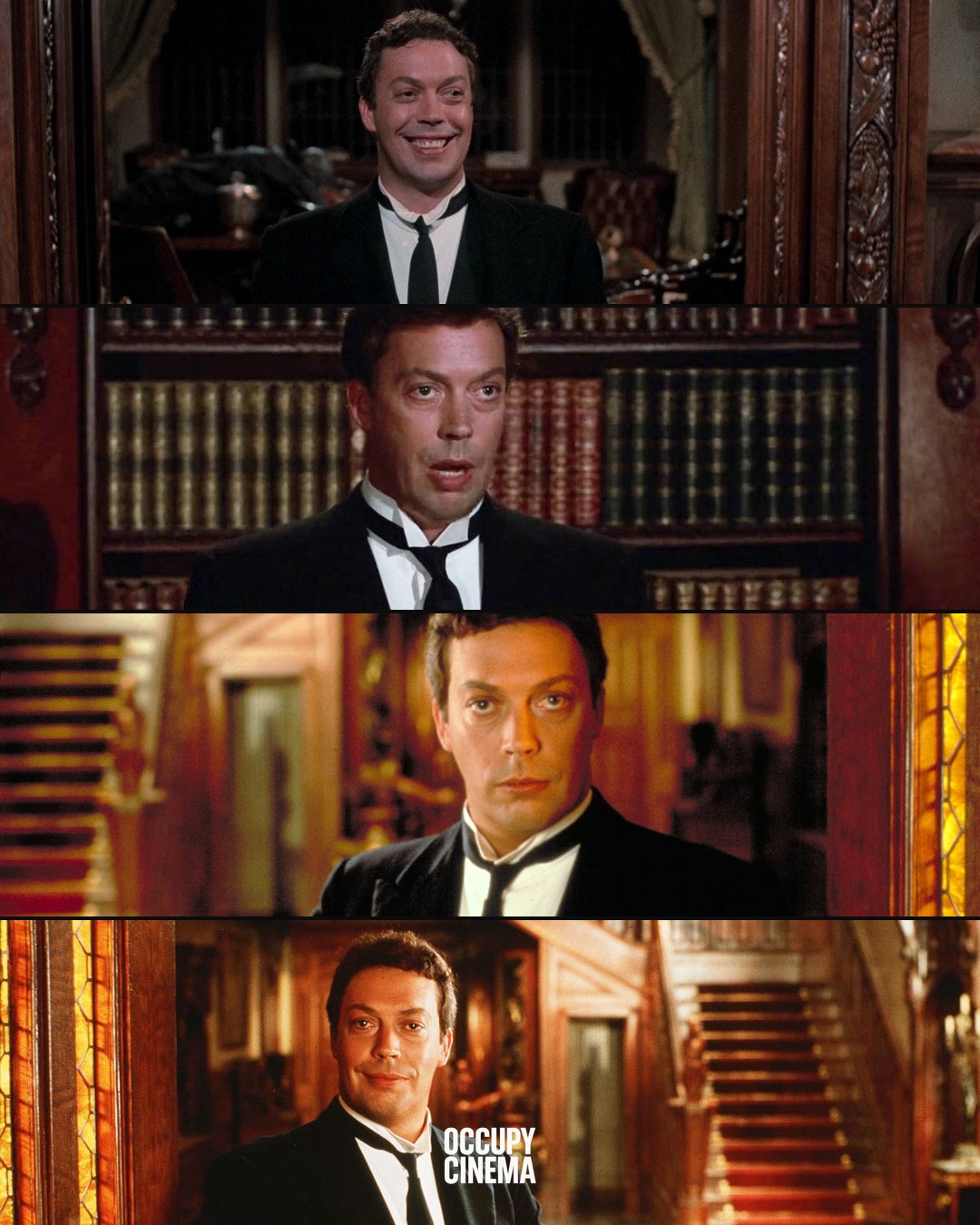
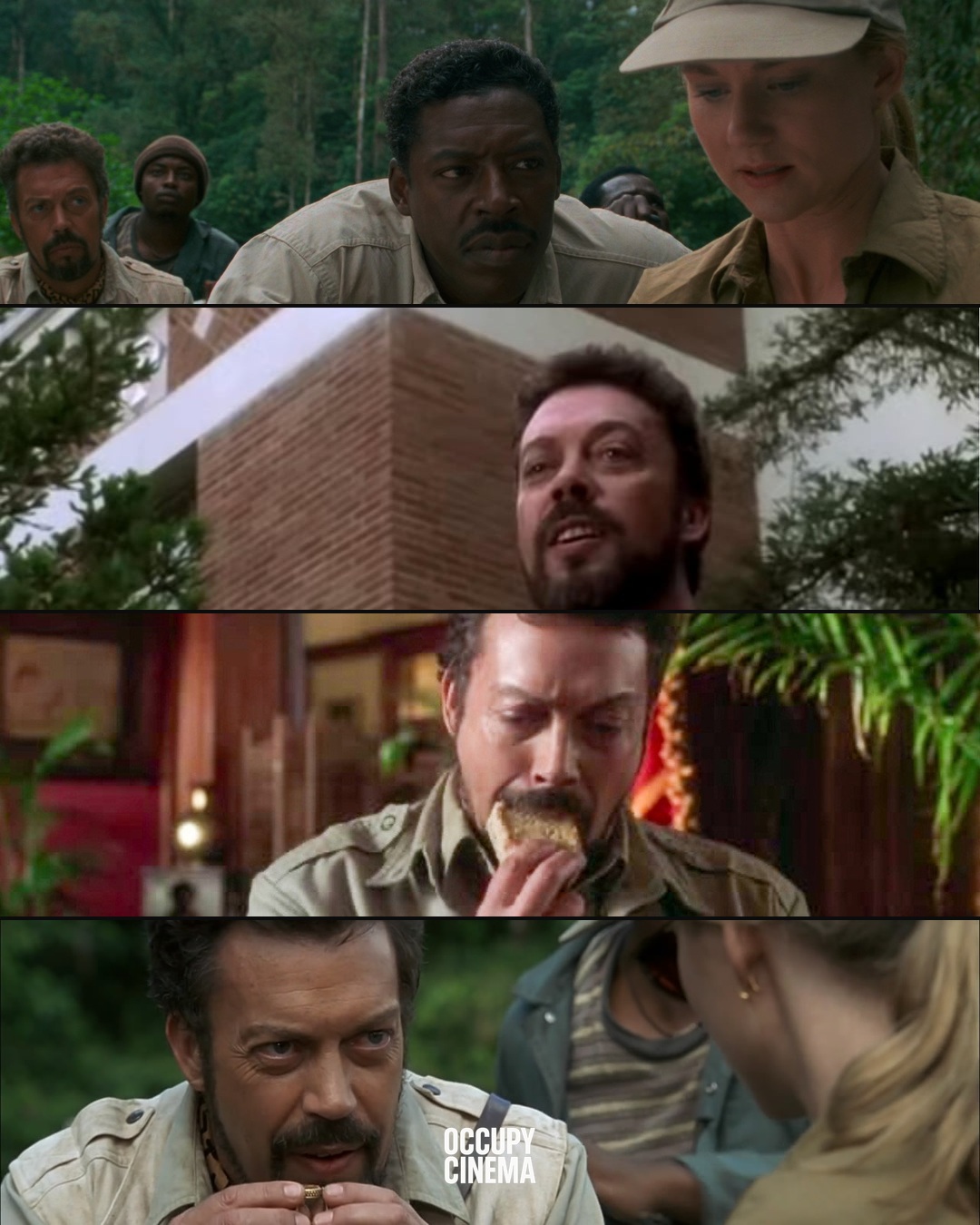
While Dr. Frank-N-Furter remains his most celebrated role, Curry's career demonstrated an extraordinary range and commitment to character. He deftly moved between genres, often stealing scenes with his distinctive voice and commanding presence. In 1985, he starred as Wadsworth in 'Clue', a comedic mystery that achieved cult status. Paramount Pictures released the film with three distinct endings, each naming a different killer, a marketing gimmick that added an interactive layer to the theatrical experience and spurred repeat viewings. This creative distribution strategy underscored Curry's ability to anchor an ensemble, even in a film designed to keep audiences guessing.
His voice work alone constitutes a significant chapter in his career, lending gravitas and villainy to countless animated characters. From 'The Wild Thornberrys' to 'Gargoyles' and 'Star Wars: The Clone Wars', Curry's vocal stylings were instantly recognizable and often the highlight of these productions. This prolific output in animation highlighted his versatility, proving he could captivate an audience with his voice alone, unburdened by prosthetics or elaborate costumes. It is a testament to his craft that he maintained such a high profile across different media for decades.
From Broadway to Blockbusters: The Curry Impact
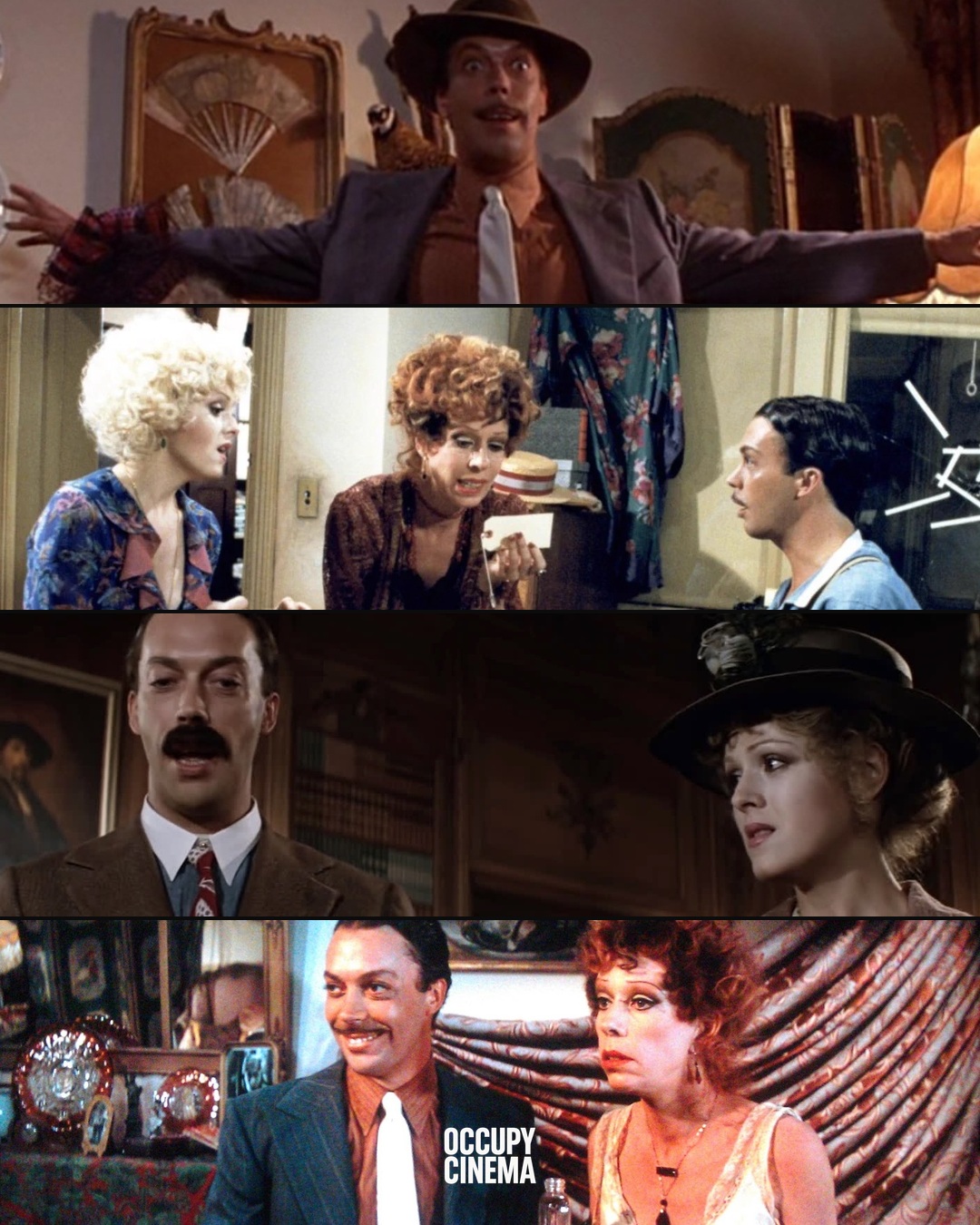
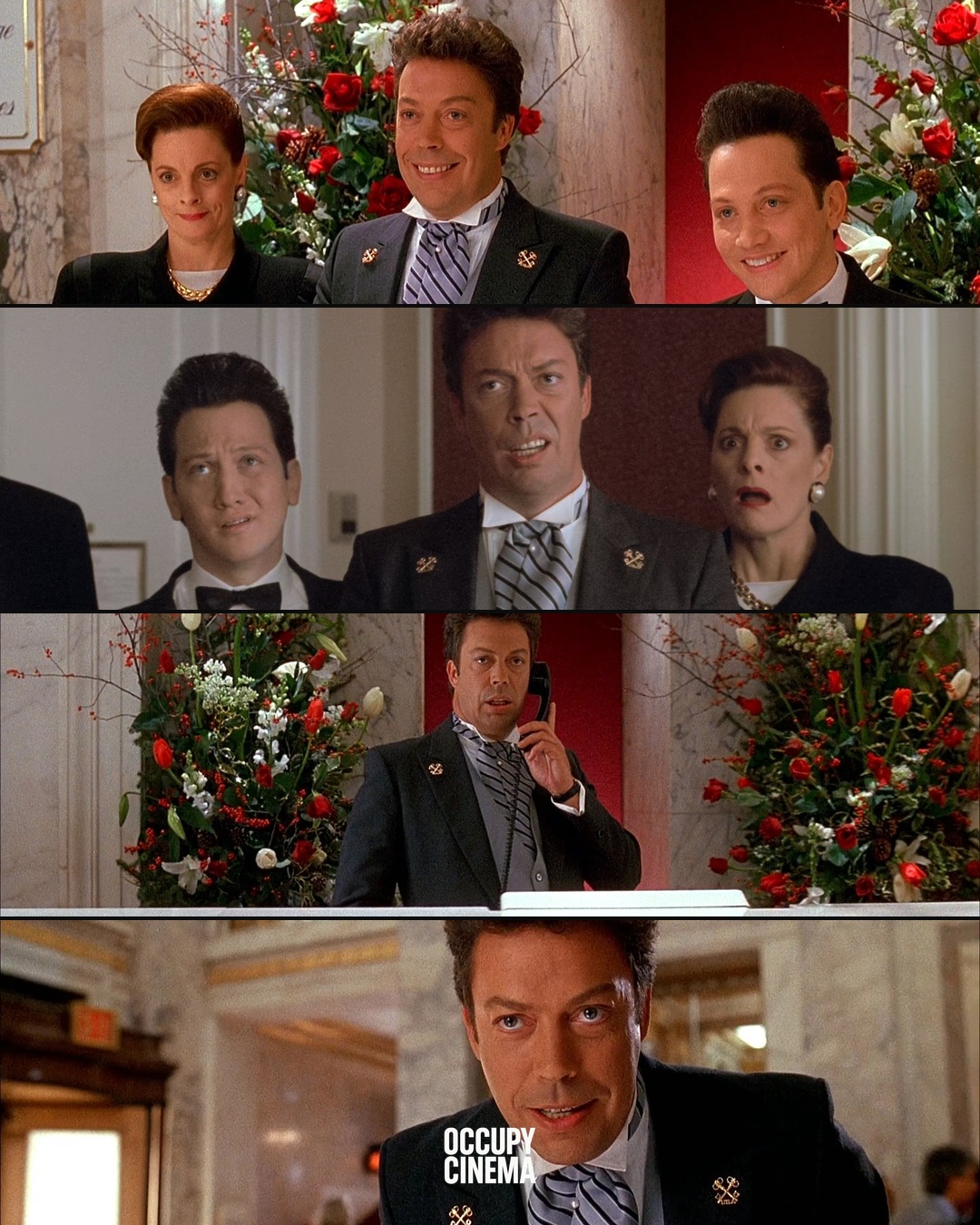
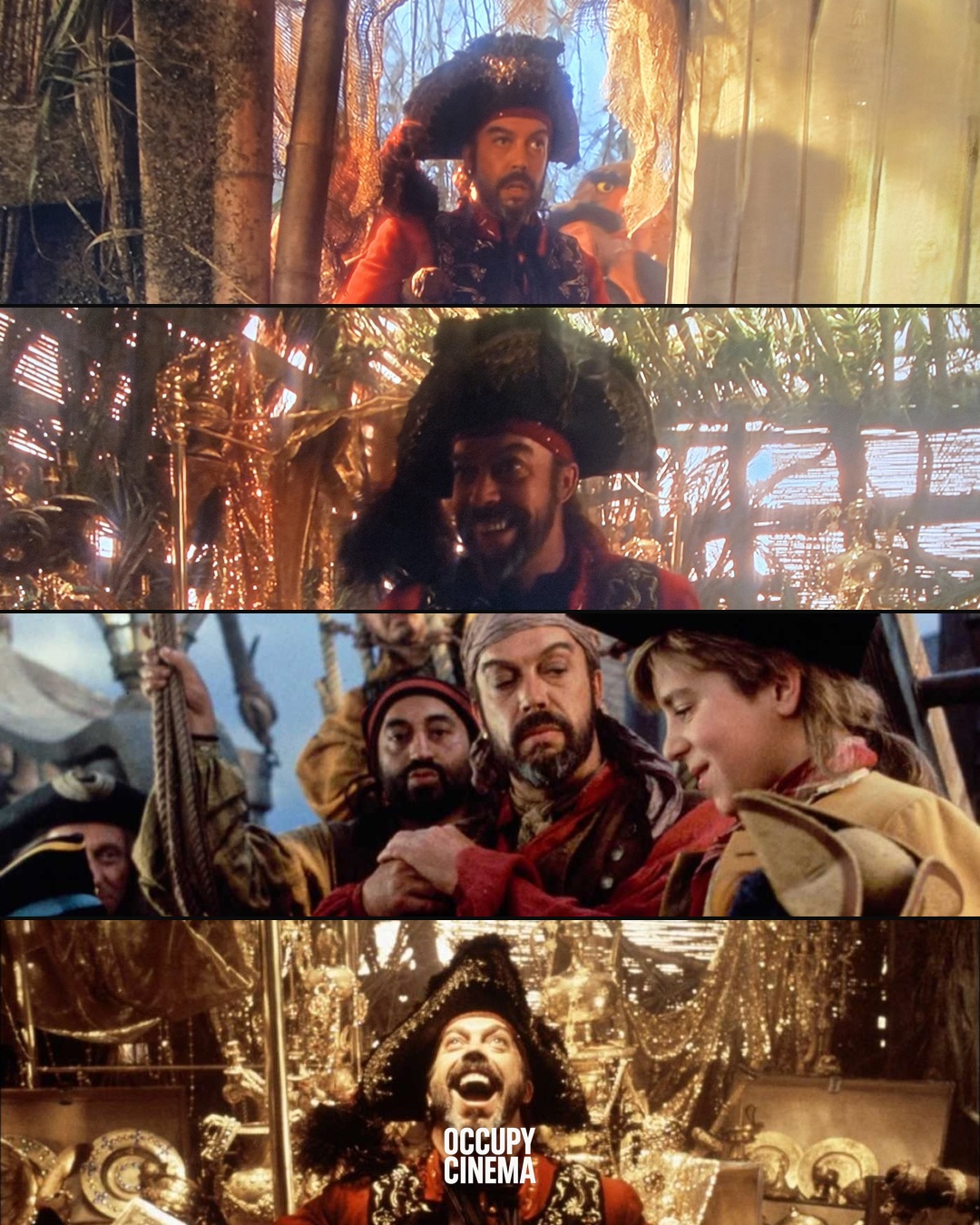
Curry's stage roots were deep, earning him three Tony Award nominations, including for his lead performance in 'My One and Only' and 'Spamalot'. This theatrical grounding informed his cinematic work, imbuing even his most outlandish characters with a profound sense of stagecraft. He brought this larger-than-life quality to family films such as Rooster Hannigan in John Huston's 1982 adaptation of 'Annie', and later as the Concierge in 'Home Alone 2: Lost in New York', demonstrating his appeal across broad demographics. His performance as Long John Silver in Brian Henson's 'Muppet Treasure Island' further showcased his ability to blend comedic timing with a genuine sense of villainy, making him a perennial favorite for children and adults alike.
The impact of Curry's work extends far beyond individual performances. He was an actor who embraced the unconventional, often becoming the defining face of characters that others might shy away from. His commitment to the grotesque, the flamboyant, and the deliciously evil made him a unique fixture in Hollywood. He proved that an actor could be both a critical darling and a beloved figure in niche fandoms, bridging the gap between high art and pop culture phenomenon. His passing leaves a void that will be felt across the industry, but his body of work will continue to inspire and entertain for generations to come. The Hollywood Reporter has covered the outpouring of tributes from fellow actors and filmmakers, underscoring his widespread influence. Meanwhile, Variety has noted the impact of his early stage career on his later cinematic successes, particularly his trailblazing role in 'Rocky Horror'.
A Legacy of Unforgettable Characters
Curry's career was a masterclass in character acting, often transforming himself completely for a role. This dedication to craft, whether through the elaborate makeup of the Lord of Darkness in 'Legend' or the subtle menace of Pennywise in the 1990 miniseries 'It', ensured that each performance was memorable. He rarely played the conventional hero, instead carving out a niche for himself as the charismatic antagonist or the scene-stealing eccentric. This choice allowed him to explore the full spectrum of human, and often inhuman, emotion with a theatrical flair that was distinctly his own. His work consistently challenged audiences, making them question expectations of villainy and heroism, and often finding the humor in the darkness. His influence on subsequent generations of performers is undeniable, particularly in how he approached roles that could easily become caricatures, instead imbuing them with depth and an undeniable charisma. Deadline has highlighted the consistent praise for his versatility throughout his career.
Tim Curry leaves behind a filmography that is as diverse as it is iconic. His ability to inhabit characters so fully, to give them a life that extended beyond the script, is a rare gift. He will be remembered not just for the roles he played, but for the indelible mark he left on the art of performance itself. His work continues to resonate, demonstrating that true talent transcends genre and time, earning him a permanent place in the pantheon of cinema's most beloved and enduring figures. His passing is a stark reminder of the unique, irreplaceable voices that shape our cultural landscape.