Occupy Cinema › People
The Economics of Extravagance: How Tim Curry Built Hollywood's Fearless Cult Engine
From a 1.4 million dollar midnight phenomenon to network ratings dominance, Tim Curry converted theatrical audacity into cinema's most versatile character legacy.
By Occupy Cinema ·
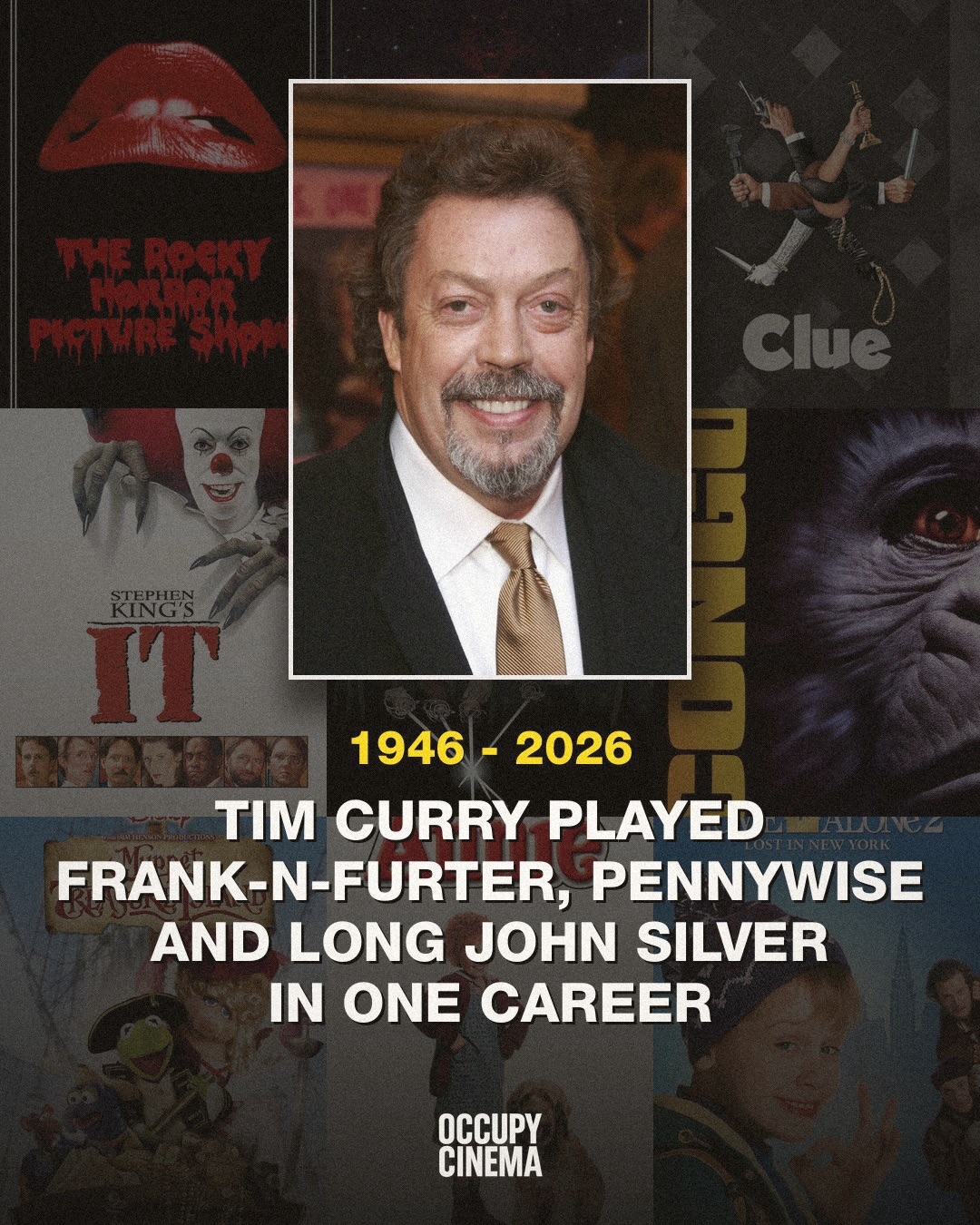
Few actors have commanded the exact intersection of avant-garde stagecraft, physical endurance, and mainstream television dominance like Tim Curry. In an era when studio casting departments prized conventional leading-man symmetry, Curry built a fifty-year career on vocal precision, total corporeal commitment, and an unapologetic relish for the grotesque. He operated not as an outsider trying to conform to Hollywood, but as an uncompromising theatrical force who forced Hollywood to accommodate his frequency.
The Midnight Currency and Five-Hour Transformations
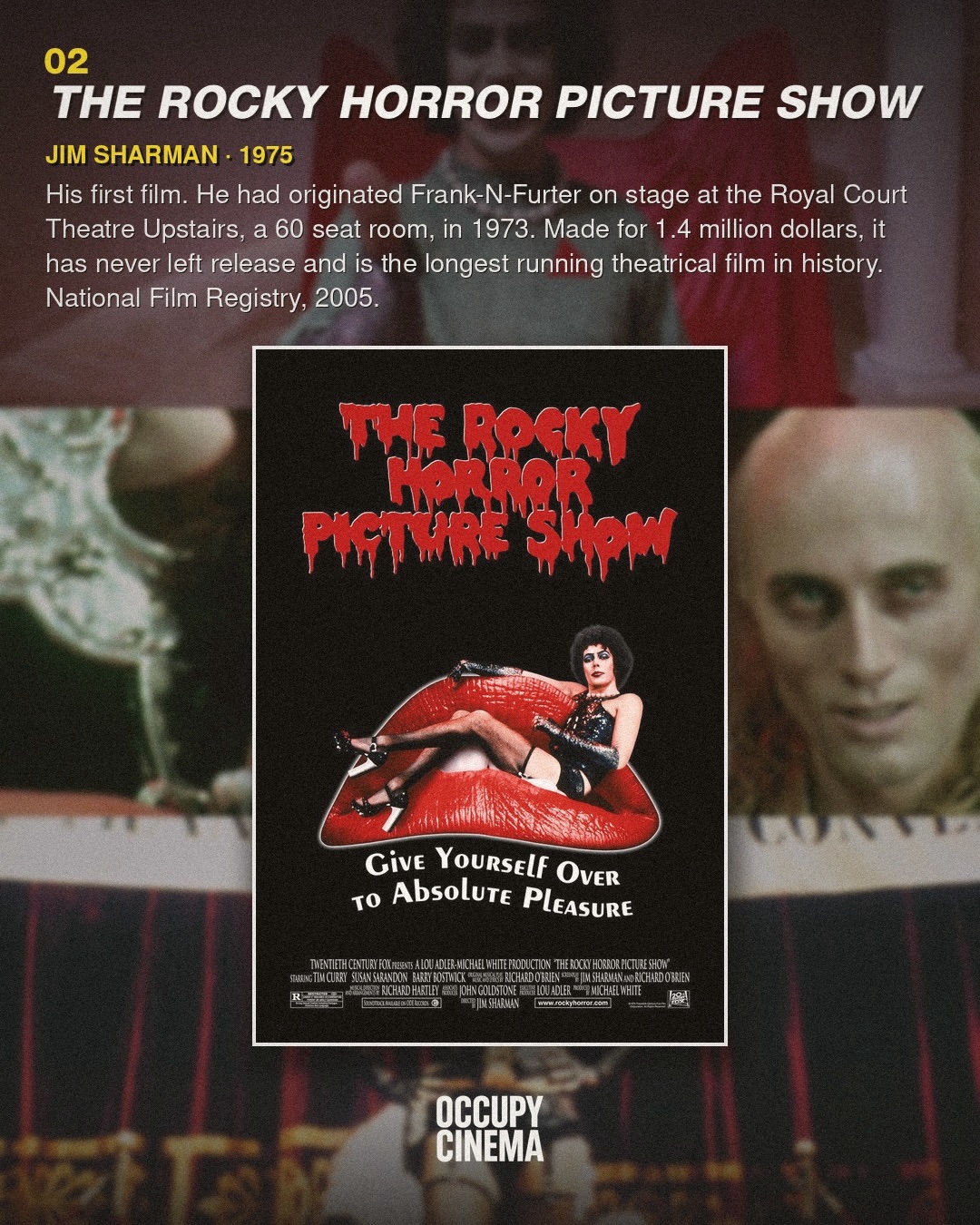
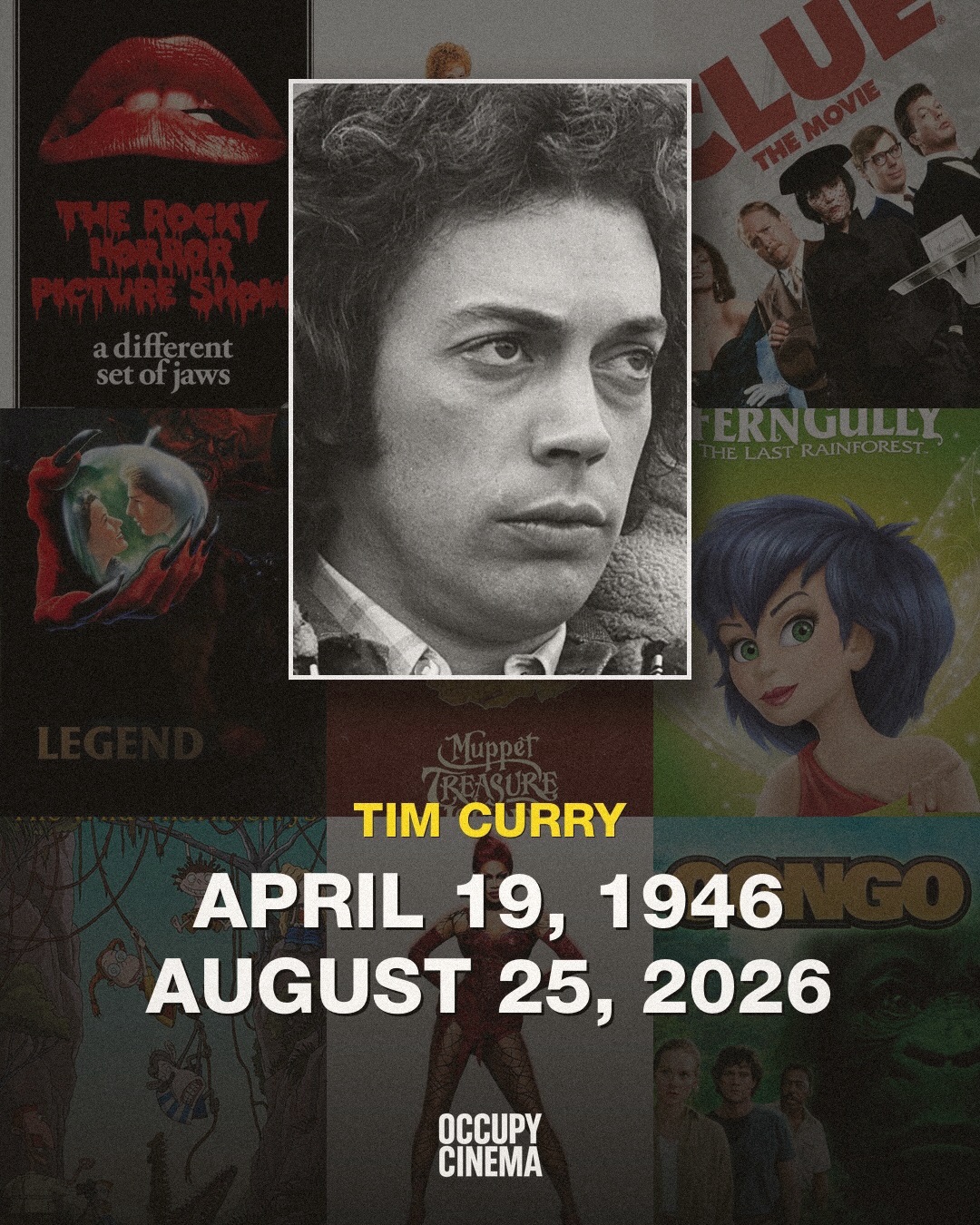
His cinematic debut remains one of the most profitable anomalies in distribution history. Directed by Jim Sharman, The Rocky Horror Picture Show entered production at Bray Studios in late 1974 on a modest budget of roughly 1.4 million dollars. Twentieth Century Fox initially considered the musical a commercial write-off after soft theatrical test engagements in late 1975. Yet through legendary midnight screenings at New York's Waverly Theatre, the film converted into a cultural institution, generating over 140 million dollars in lifetime gross receipts and setting the world record for the longest continuous theatrical run.
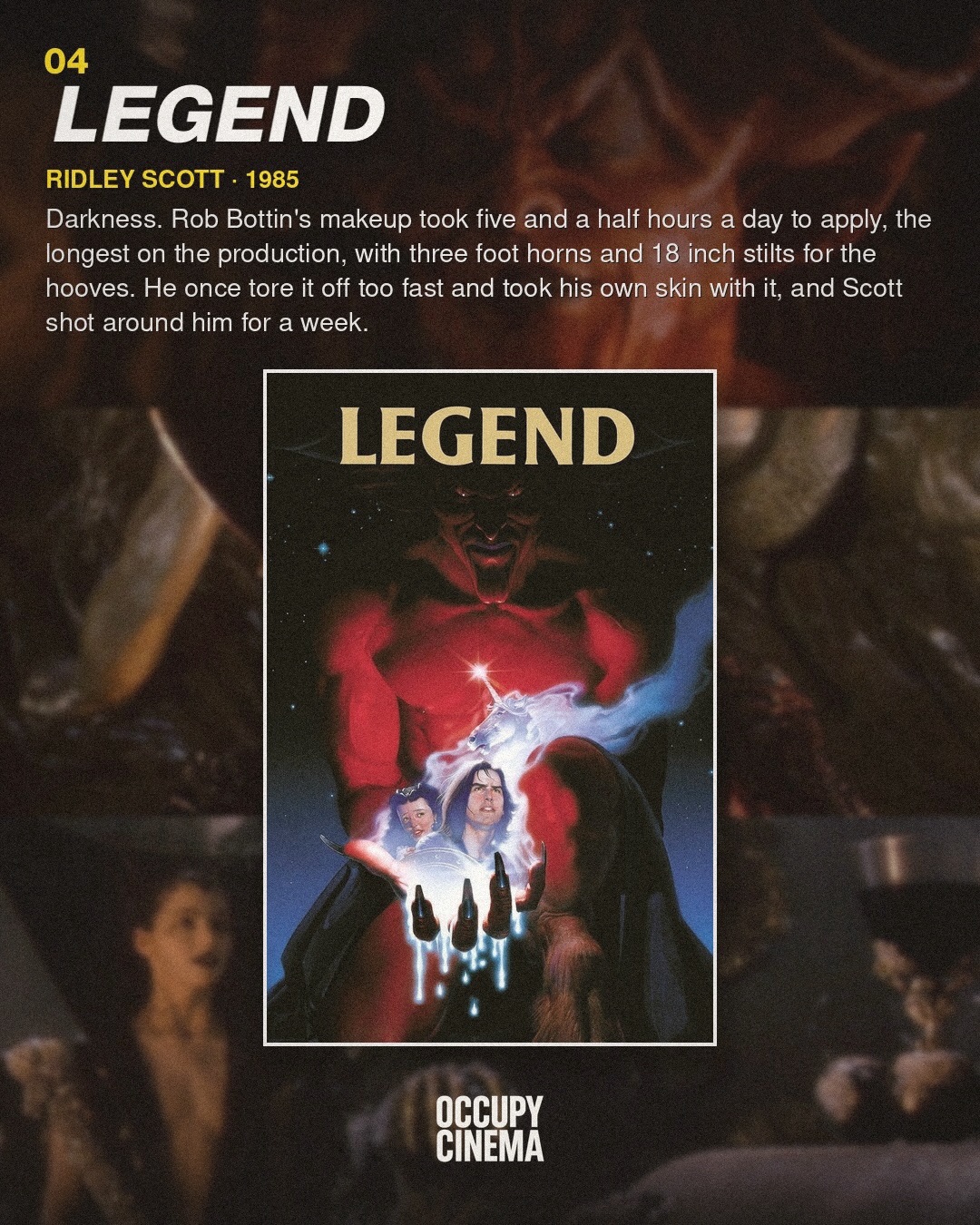
Curry's mastery lay in treating flamboyant genre material with the technical rigor of classical theater. For Ridley Scott in the 1985 fantasy epic Legend, Curry stepped into the role of Darkness, subjecting himself to five and a half hours of prosthetic application each morning designed by master makeup artist Rob Bottin. Enclosed in foam latex, fiberglass horns, and heavy contact lenses, he delivered a baritone performance so magnetic that it completely overpowered the film's fairy-tale backdrop, as noted in contemporaneous reviews archived at The Guardian.
Dominating Primetime and the Craft of Vocal Character
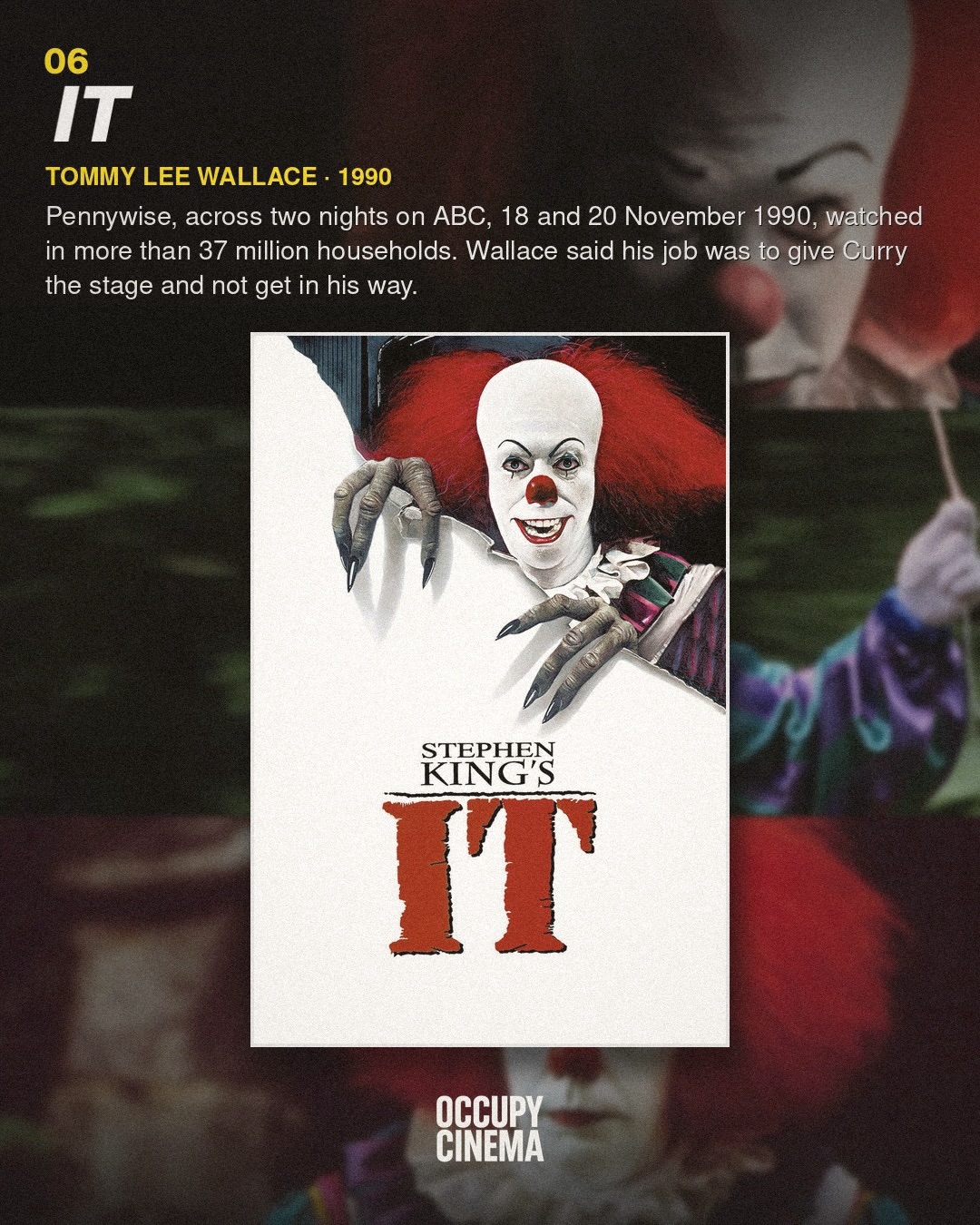
Where most actors of his theatrical pedigree struggled to translate their presence to the small screen, Curry dominated it across disparate demographics. When ABC adapted Stephen King's IT as a two-part miniseries in November 1990, network executives anticipated strong numbers, but the result was an outright ratings sensation. More than 37 million households tuned in across the two-night broadcast, according to Nielsen data reported by Variety. Curry's Pennywise eschewed modern digital distortion, relying purely on vaudevillian timing, dialect shifts, and predatory eye contact to traumatize an entire generation of viewers.
That same vocal discipline yielded three Tony Award nominations on Broadway for Amadeus, My Favorite Year, and Spamalot. Though major voting bodies often overlooked his genre-defining film work, he captured a Daytime Emmy Award in 1991 for voicing Captain Hook in Peter Pan and the Pirates, establishing a prolific voiceover career that spanned hundreds of animated productions, video games, and audiobooks.
Resilience and the Actor's Instrument
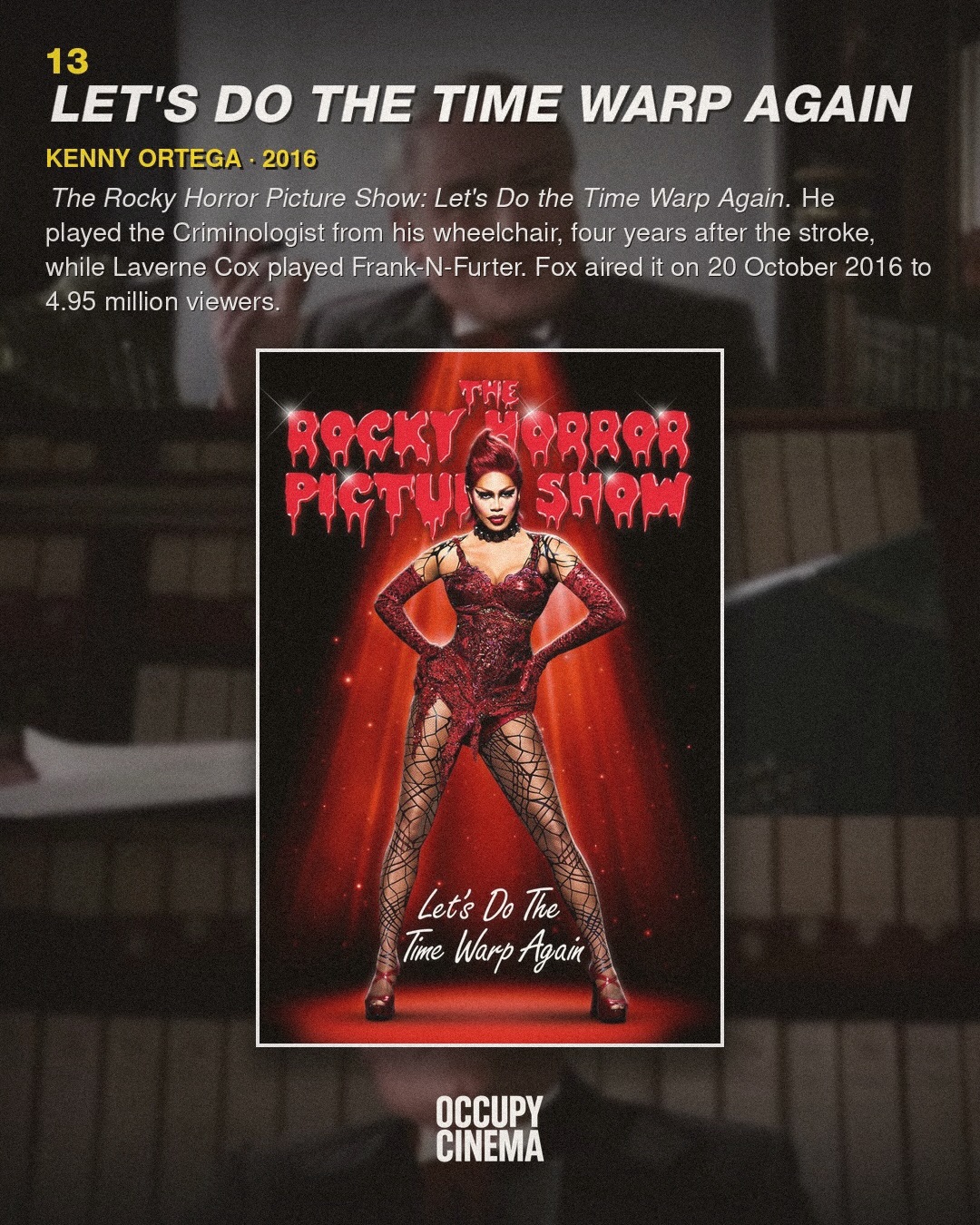
When a major stroke in 2012 permanently limited his mobility, the industry might have expected a quiet retirement. Instead, Curry recalibrated his instrument. Confined to a wheelchair, he continued studio voice work and appeared in Fox's 2016 television reimagining of The Rocky Horror Picture Show as the Criminologist. The performance was not merely a nostalgic cameo; it was a demonstration of vocal command from an artist whose timing remained entirely uncompromised.
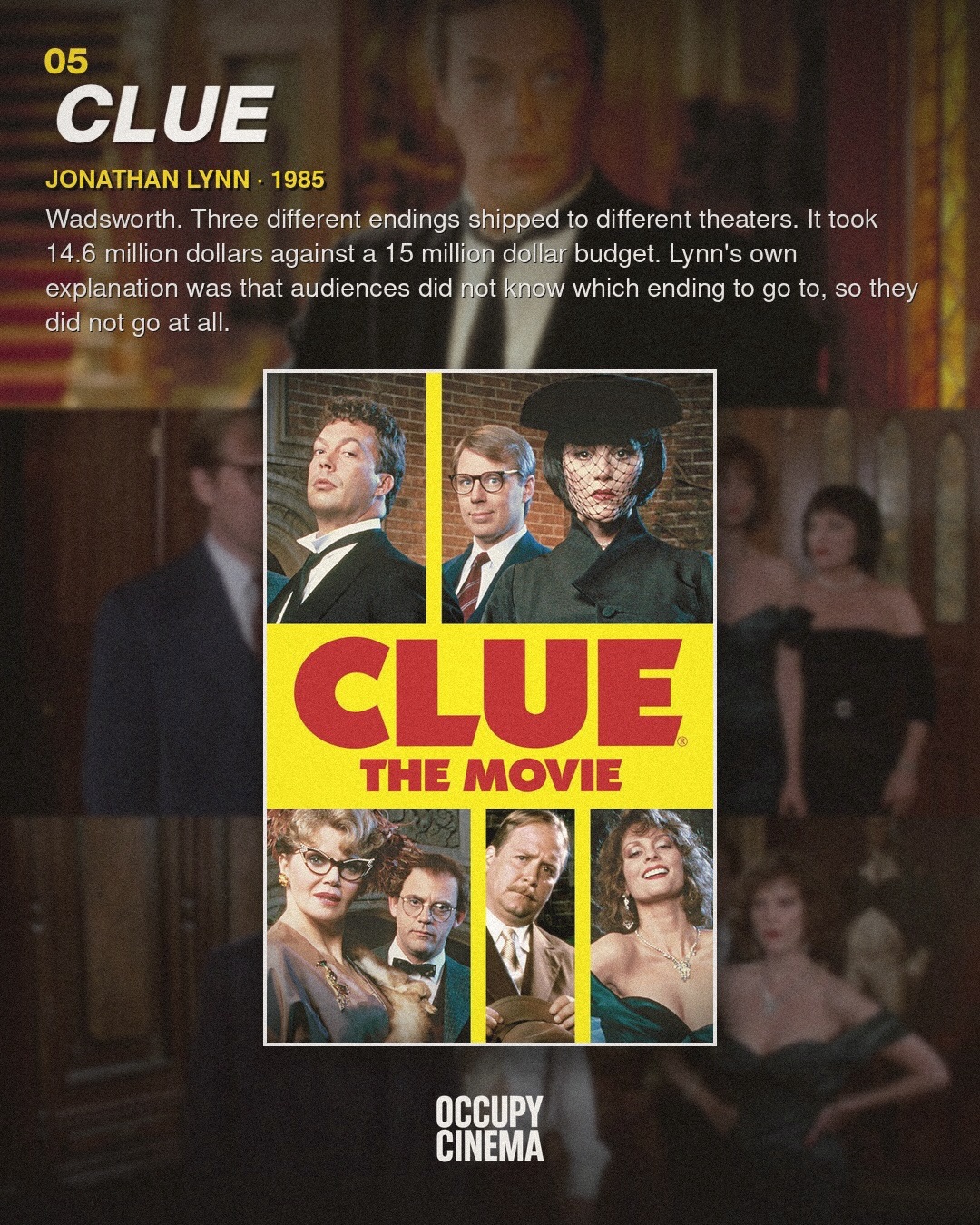
Curry's legacy is defined by an absolute refusal to treat genre filmmaking as secondary art. Whether navigating a low-budget musical, an ensemble comedy like Clue, or high-concept studio fantasy, he approached every frame with operatic scale and microscopic detail. His body of work proves that the most enduring screen presence is never safe; it is daring, precise, and completely committed to the illusion.
Related reading: Respect for Acting.