Occupy Cinema › Development
Lights On, Marianne: Kentucky Town Aims to Revive Long-Dark Theater
Bellevue, Kentucky's Marianne Theater, closed for 26 years, is on the cusp of a major revival. A recent city council vote greenlights a community-led effort to restore the historic venue, targeting a multi-million dollar transformation.
By Occupy Cinema ·
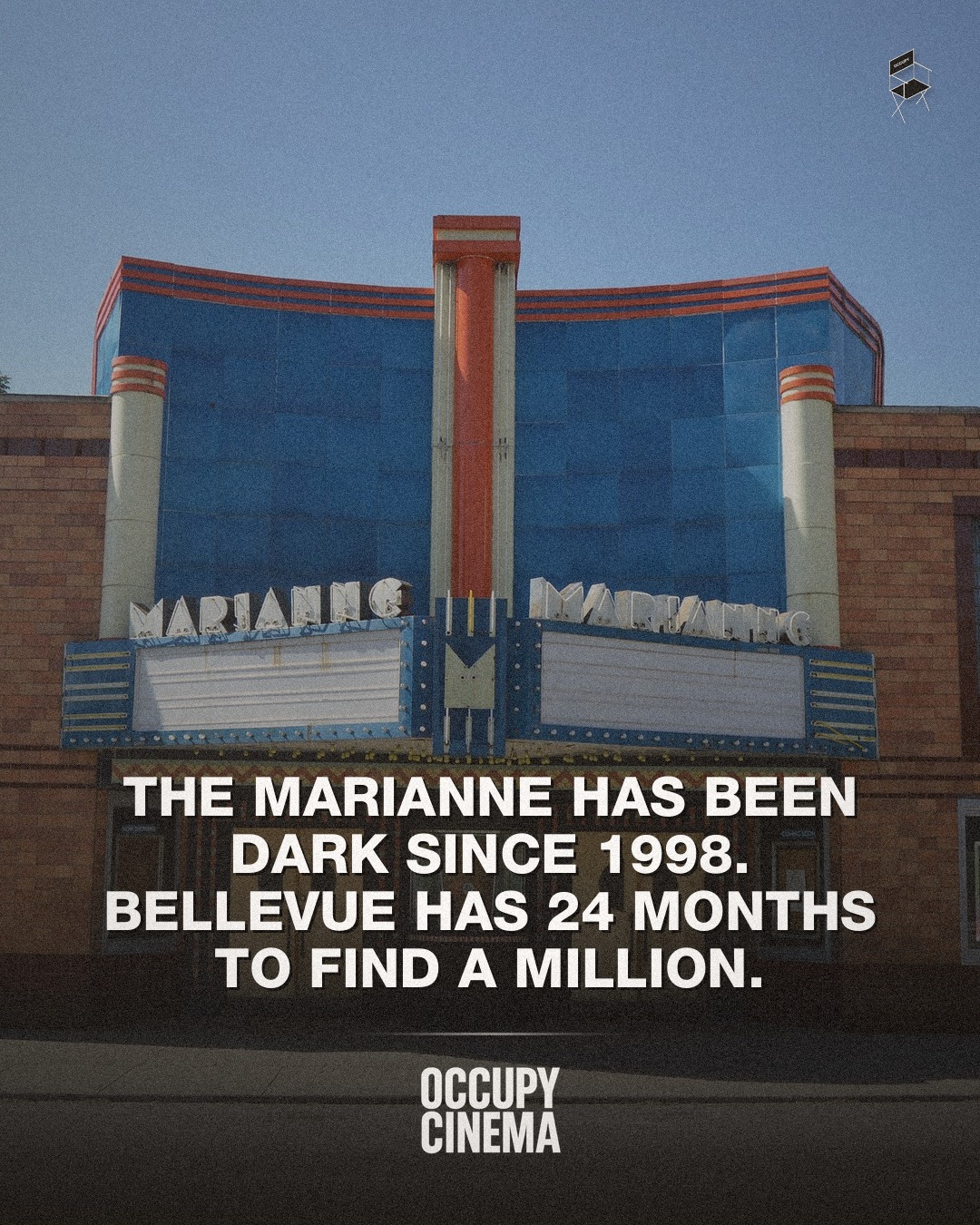
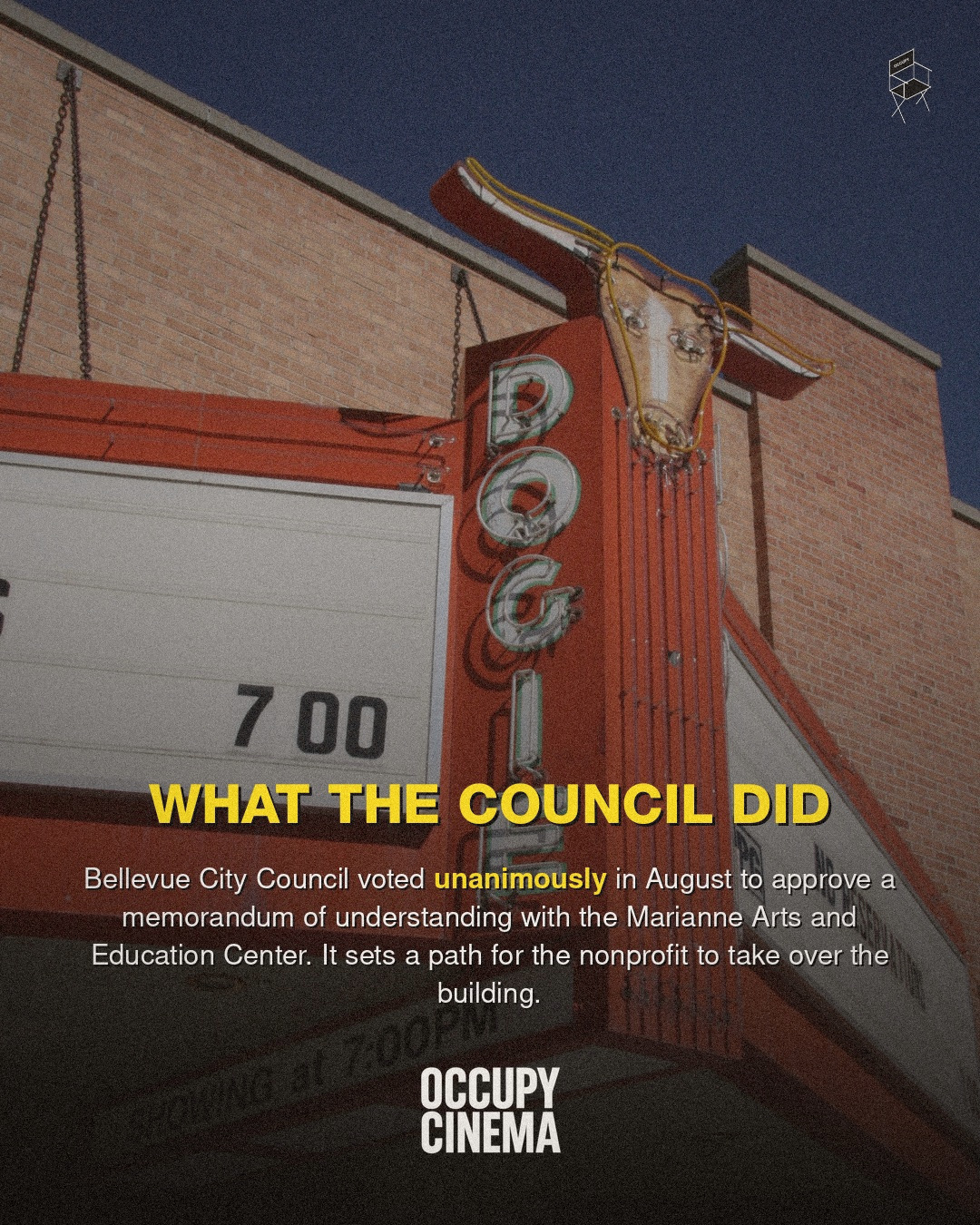
A Kentucky city council has taken a definitive step towards rekindling a long-dark local landmark. Bellevue, Kentucky, recently voted unanimously to approve a memorandum of understanding with the Marianne Arts and Education Center. This agreement marks the official start of a 24-month countdown for the non-profit to raise a substantial $1 million, initiating the ambitious “Lights On, Marianne” campaign. The Marianne Theater, an Art Deco gem that first opened its doors in 1942, has sat dormant since 1998, a silent testament to the changing tides of local entertainment and community hubs. Its potential resurrection speaks to a growing trend of towns reclaiming and repurposing their historic cinematic spaces.
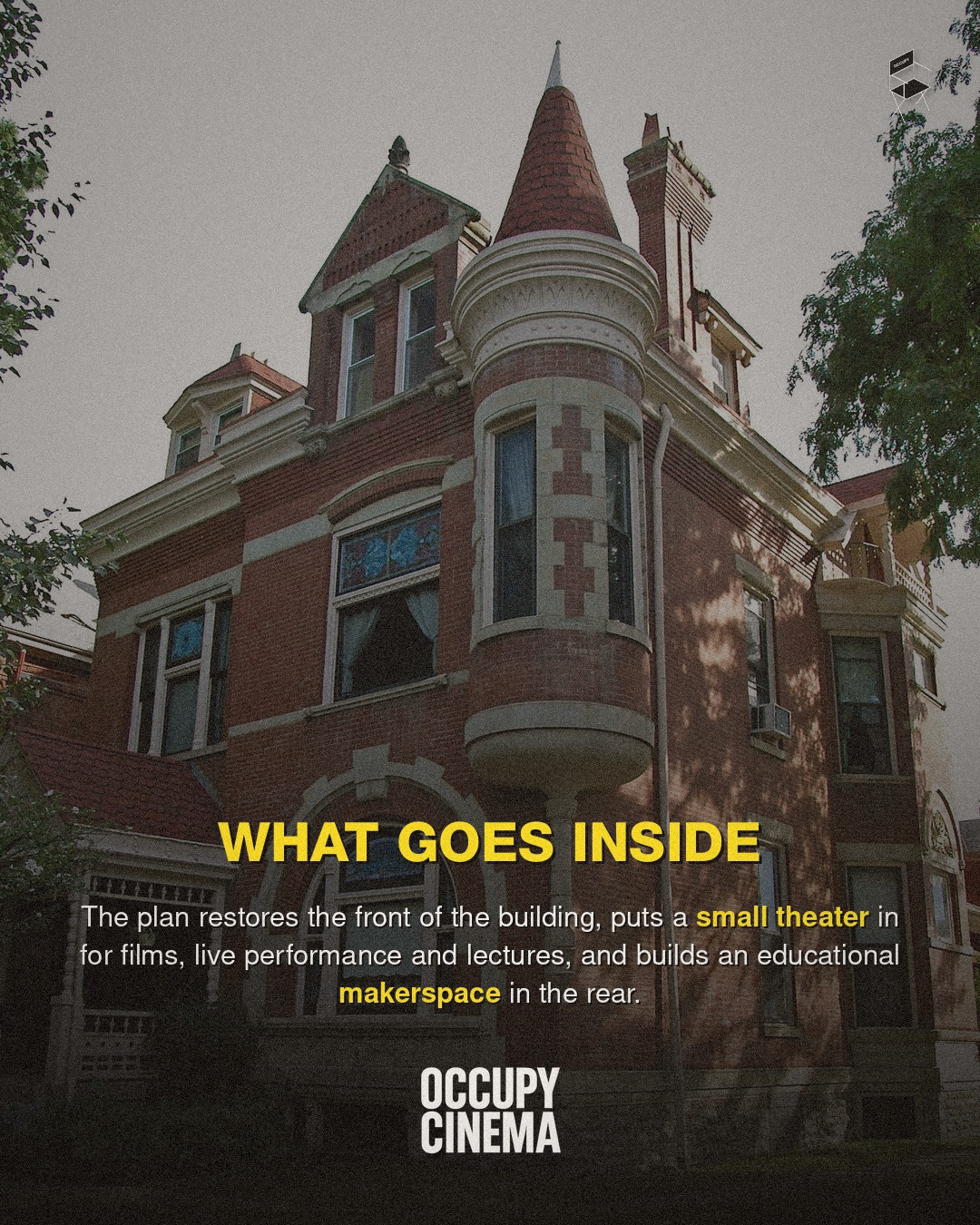
The initial fundraising target for the Marianne Arts and Education Center is a modest $50,000, intended to build momentum and secure the initial stages of planning and outreach. However, the true test lies in reaching the $1 million benchmark within two years, a significant undertaking for any community-led initiative. This phased approach is common in large-scale restoration projects, allowing for proof of concept and sustained community engagement. The plan is not merely to reopen a movie theater, but to transform it into a multi-faceted arts and education hub, including a small additional theater and an educational makerspace. This strategic diversification is critical, recognizing that a single-screen cinema model often struggles in today's entertainment landscape without supplementary revenue streams and community programming.
The Long Road to Revival
The challenges for projects like the Marianne are manifold. Securing funding is paramount, often involving a patchwork of grants, private donations, and local government support. Beyond the initial capital, long-term operational sustainability is a critical consideration. Many historic theaters, once vibrant centers of community life, closed due to factors ranging from the rise of multiplexes and suburban sprawl to the advent of home video and, more recently, streaming services. The Marianne's closure in 1998 coincided with a period when many independent and single-screen theaters struggled to compete with the amenities and film booking power of larger chains. Its proposed new life as an arts and education center reflects a broader shift, where historic venues are reimagined not just as cinemas, but as cultural anchors that offer diverse programming, from film screenings and live performances to educational workshops and community events.
Similar revitalization efforts have seen varied success across the country. The restoration of historic theaters often requires navigating complex architectural preservation guidelines, addressing decades of neglect, and updating infrastructure to meet contemporary standards. For instance, the Tivoli Theatre in Chattanooga, Tennessee, a grand vaudeville house from 1921, underwent extensive renovations to continue its life as a performing arts venue. The success of such projects often hinges on strong local leadership, dedicated volunteer bases, and a clear vision for the venue's role in the modern community. The “Lights On, Marianne” campaign’s emphasis on education and diverse programming suggests an understanding of these contemporary needs, aiming to make the theater relevant beyond just showing movies.
A Blueprint for Community Engagement
The Art Deco architecture of the Marianne Theater, typical of many cinemas built in the early to mid-20th century, offers a unique aesthetic appeal that can be a significant draw. These buildings often represent a specific era of cinematic grandeur and local pride. Preserving such structures is not just about saving a building, but about retaining a piece of local history and architectural heritage. The proposed makerspace, for example, could offer hands-on learning in various arts and crafts, attracting a demographic beyond traditional filmgoers. This multi-use model is increasingly vital for the viability of community arts centers, ensuring a steady stream of visitors and a diverse revenue base.
The collective power of a community, rallied around a shared cultural asset, can be formidable. While the $1 million target is ambitious, the unanimous city council vote provides a strong foundation of institutional support. This initial backing signals to potential donors and grant organizations that the project has local government endorsement. The next 24 months will be a critical test of Bellevue's commitment to its cinematic past and its vision for a vibrant cultural future. The outcome of the “Lights On, Marianne” campaign will undoubtedly serve as a case study for other towns grappling with the future of their own dark, historic theaters. It’s a story of local grit versus industry shifts, with the heart of a community hanging in the balance.