Occupy Cinema › FEATURED
Revisiting Oliver Stone's 9/11 Film: A Decade and a Half Later
Oliver Stone's 2006 film 'World Trade Center' offered a harrowing, ground-level account of survival and rescue. Its production navigated a sensitive national trauma, focusing on individual heroism amid unprecedented devastation.
By Occupy Cinema ·
The Ground Zero Narrative: A Tight Focus
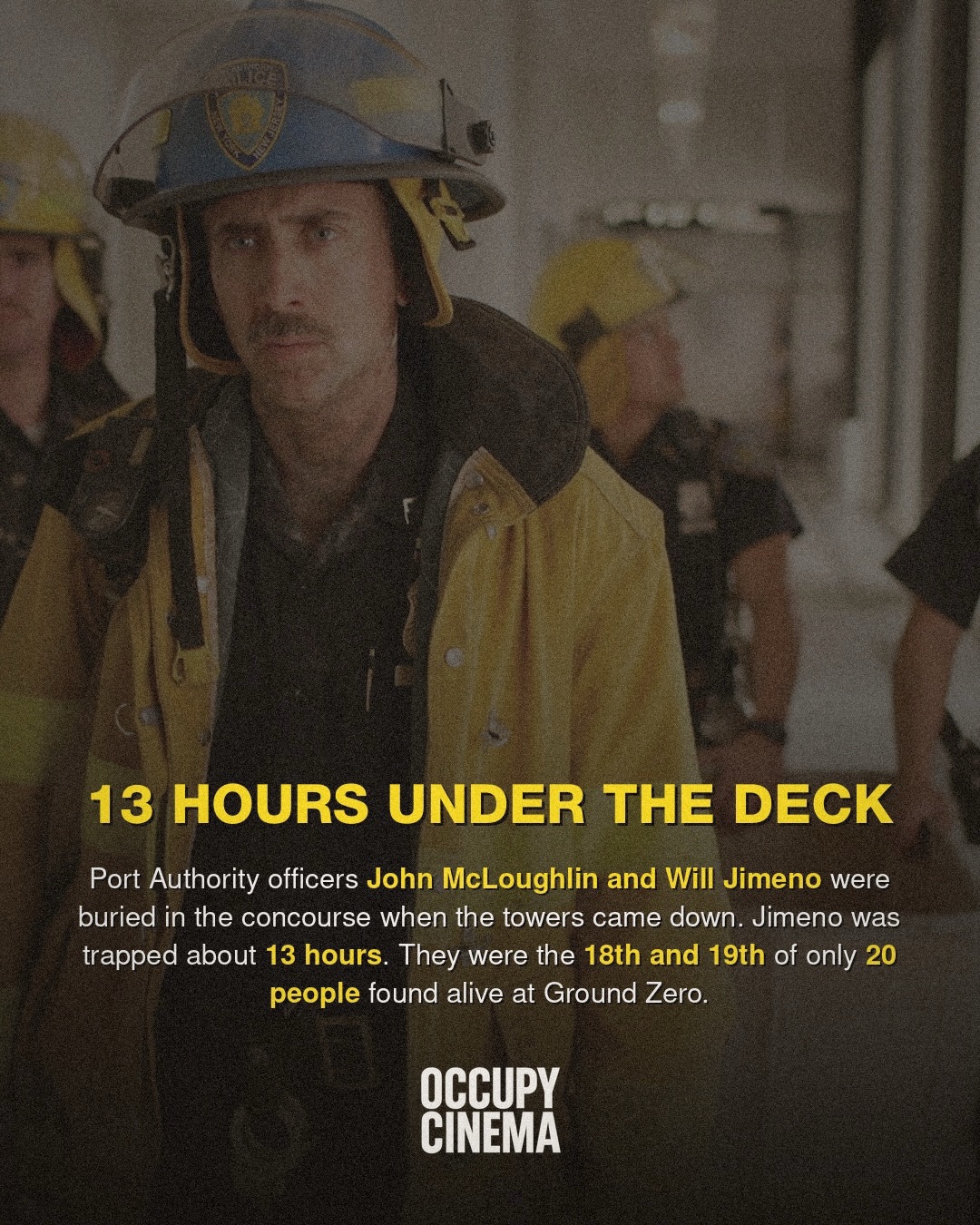
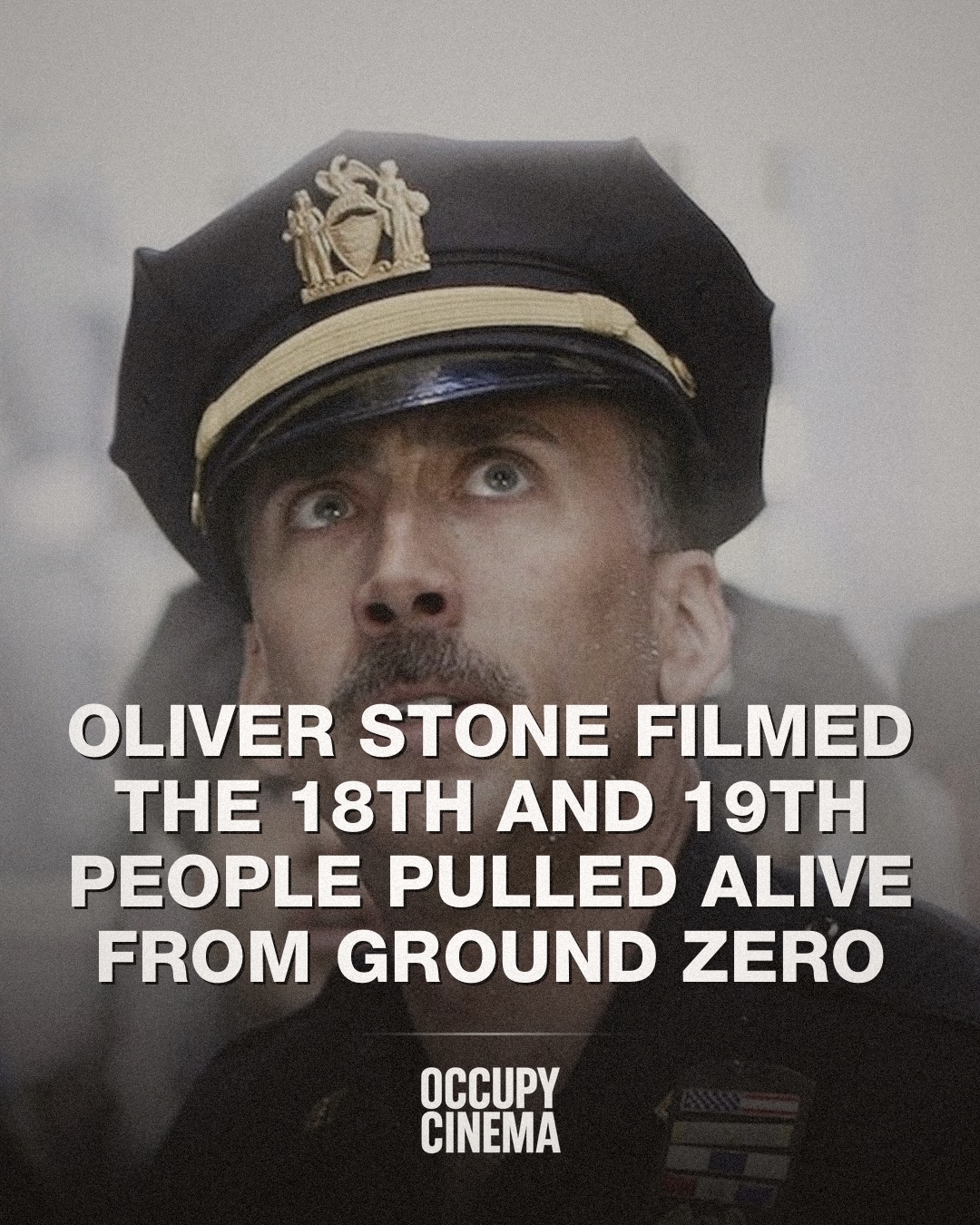
Fifteen years ago, Hollywood approached the unspeakable. Oliver Stone, a filmmaker synonymous with historical revisionism and political provocation, delivered World Trade Center. The 2006 drama was not Stone's typical fare. It eschewed grand geopolitical statements, opting instead for an intimate, claustrophobic narrative centered on the rescue of two Port Authority police officers, John McLoughlin and Will Jimeno, from the wreckage of the North Tower. This tight focus was deliberate, aiming to honor the individual stories of survival and the heroism of first responders, rather than dissect the geopolitical implications of the attacks.
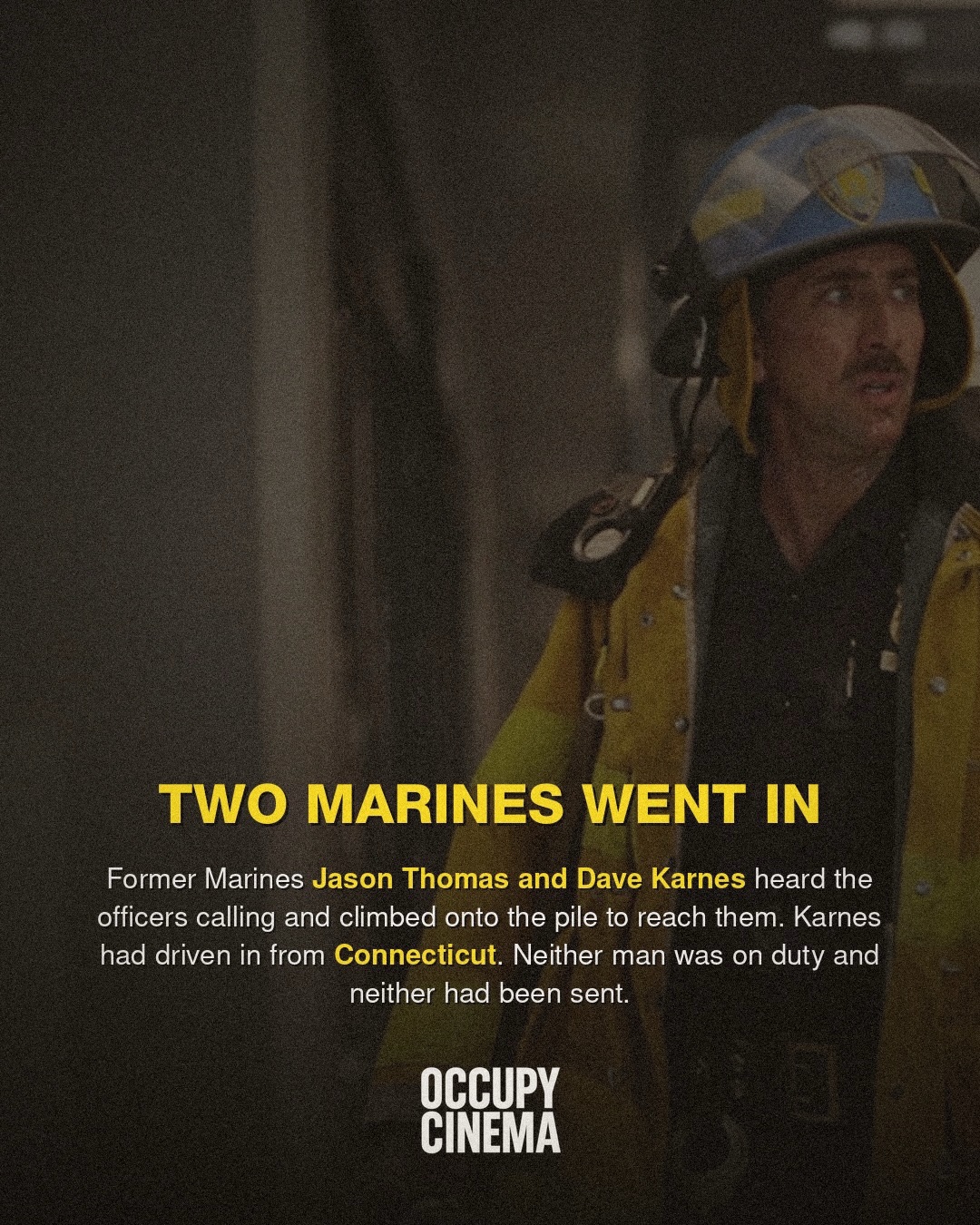
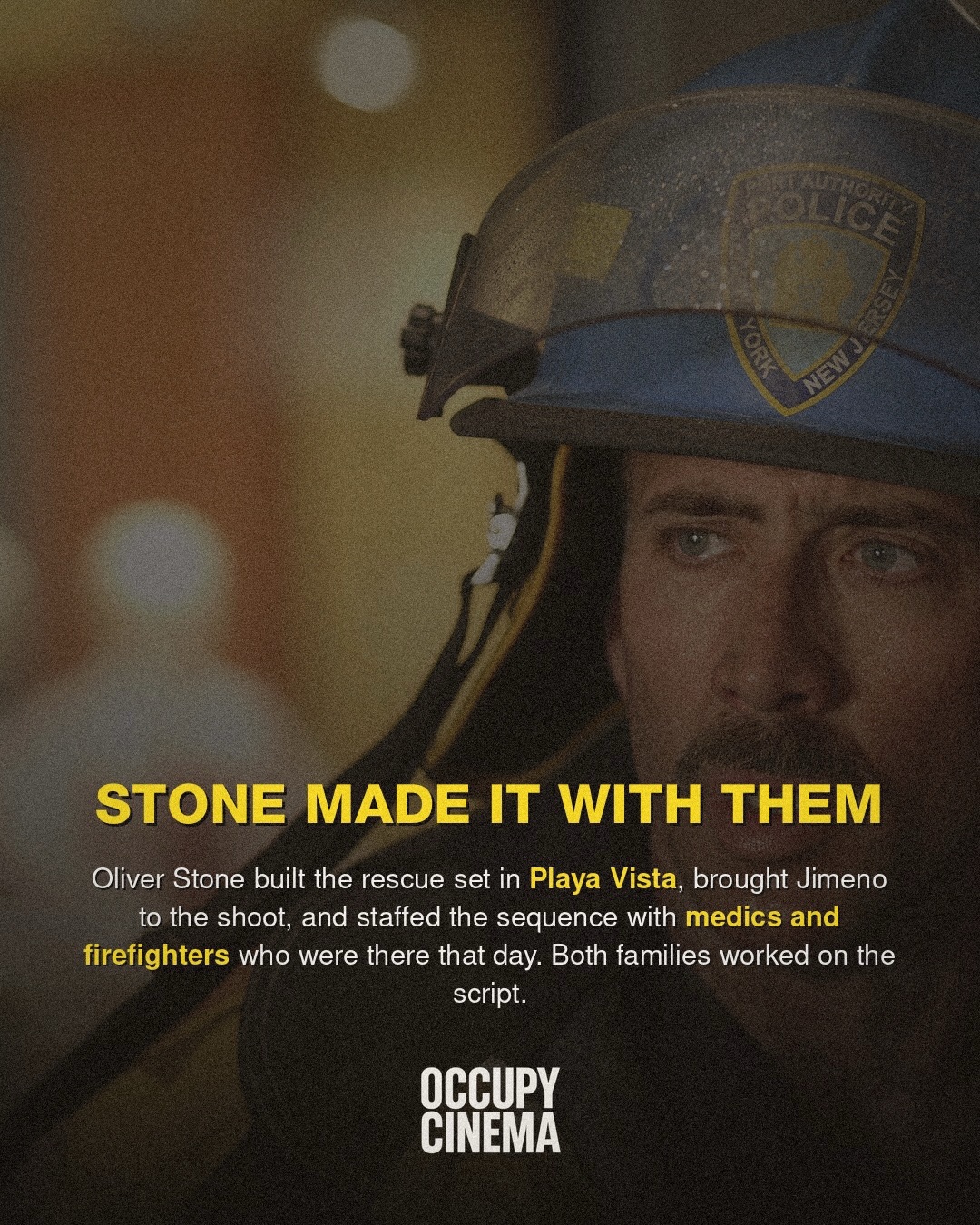
The film opens on September 11, 2001, capturing the ordinary morning routines of McLoughlin and Jimeno before the unimaginable unfolds. Their assignment to assist in the evacuation of the World Trade Center complex quickly turns catastrophic. Buried under tons of steel and concrete, their ordeal becomes the film's core. Stone's direction here is visceral, placing the audience directly into the suffocating darkness and the desperate wait for rescue. The decision to include actual medics and first responders in the film's production lent an undeniable authenticity to these scenes, grounding the narrative in lived experience.
Financially, World Trade Center represented a significant gamble for Paramount Pictures. Produced on an estimated budget of $65 million, it faced the daunting task of attracting audiences to a painful national memory. The film ultimately grossed over $163 million worldwide, a respectable return given the sensitivity of its subject matter and the prevailing reluctance to revisit the tragedy. This performance demonstrated a public appetite, albeit a cautious one, for cinematic interpretations of 9/11, particularly those emphasizing resilience and the human spirit.
Crafting the Unimaginable: Stone's Approach
Stone's creative choices were meticulously weighed. He worked closely with both the McLoughlin and Jimeno families, involving them in the production to ensure accuracy and respect for their experiences. This collaborative approach was crucial in navigating the ethical tightrope of depicting such a recent and devastating event. The film avoided sensationalism, instead leaning into the psychological toll and the sheer physical effort of survival and rescue. Cinematographer Seamus McGarvey utilized a desaturated palette and often extreme close-ups to enhance the feeling of entrapment and despair, while also contrasting it with moments of ethereal hope.
The film's reception was largely positive, with critics commending its restraint and emotional power. It stood in stark contrast to other cinematic responses to 9/11, such as Paul Greengrass's United 93, which adopted a more documentary-style, real-time approach. Stone's film, by focusing on a singular narrative of survival, offered a different entry point into the collective trauma. It allowed audiences to grapple with the scale of the destruction through the intensely personal struggle of two men, and the unwavering dedication of those who risked everything to save them.
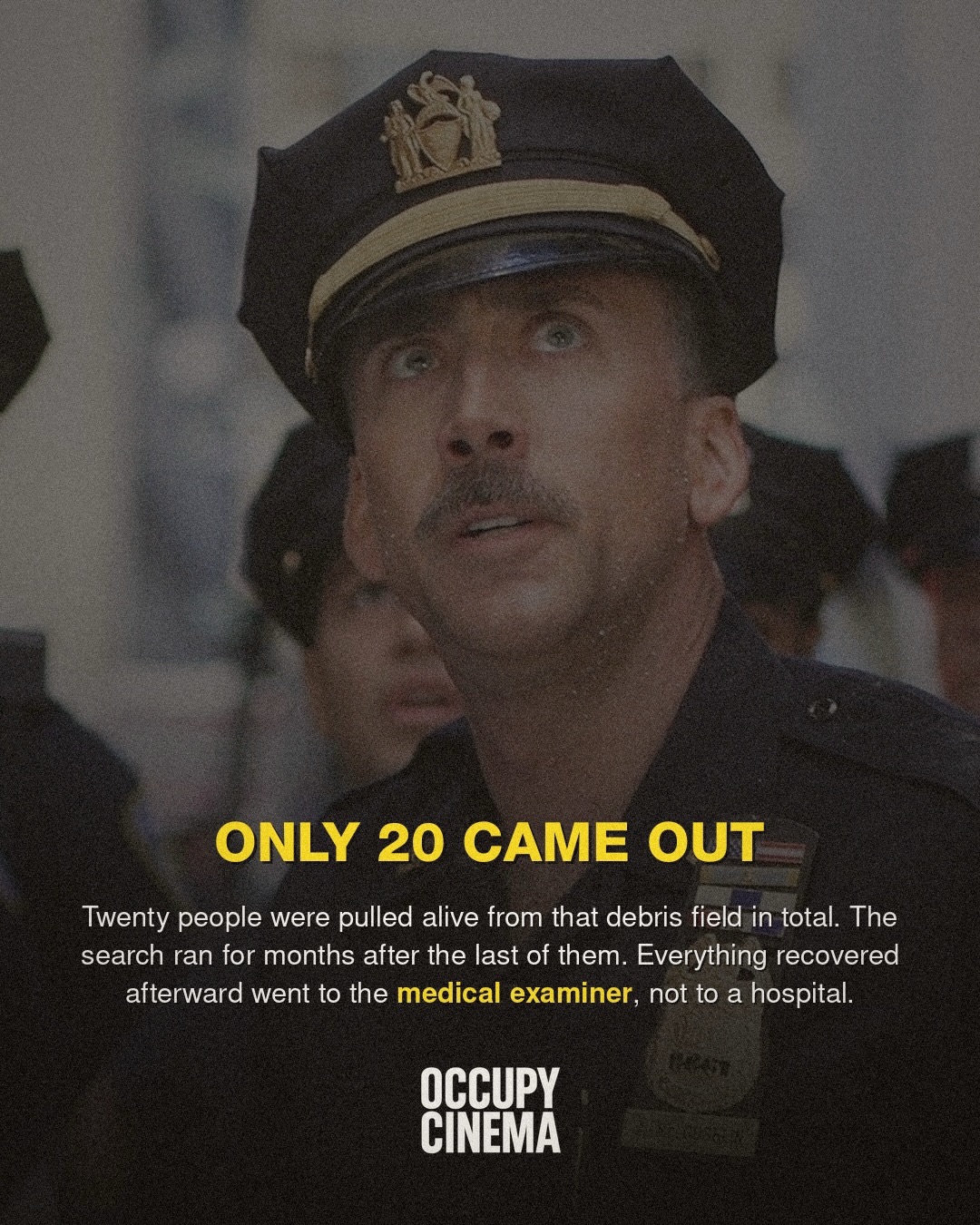
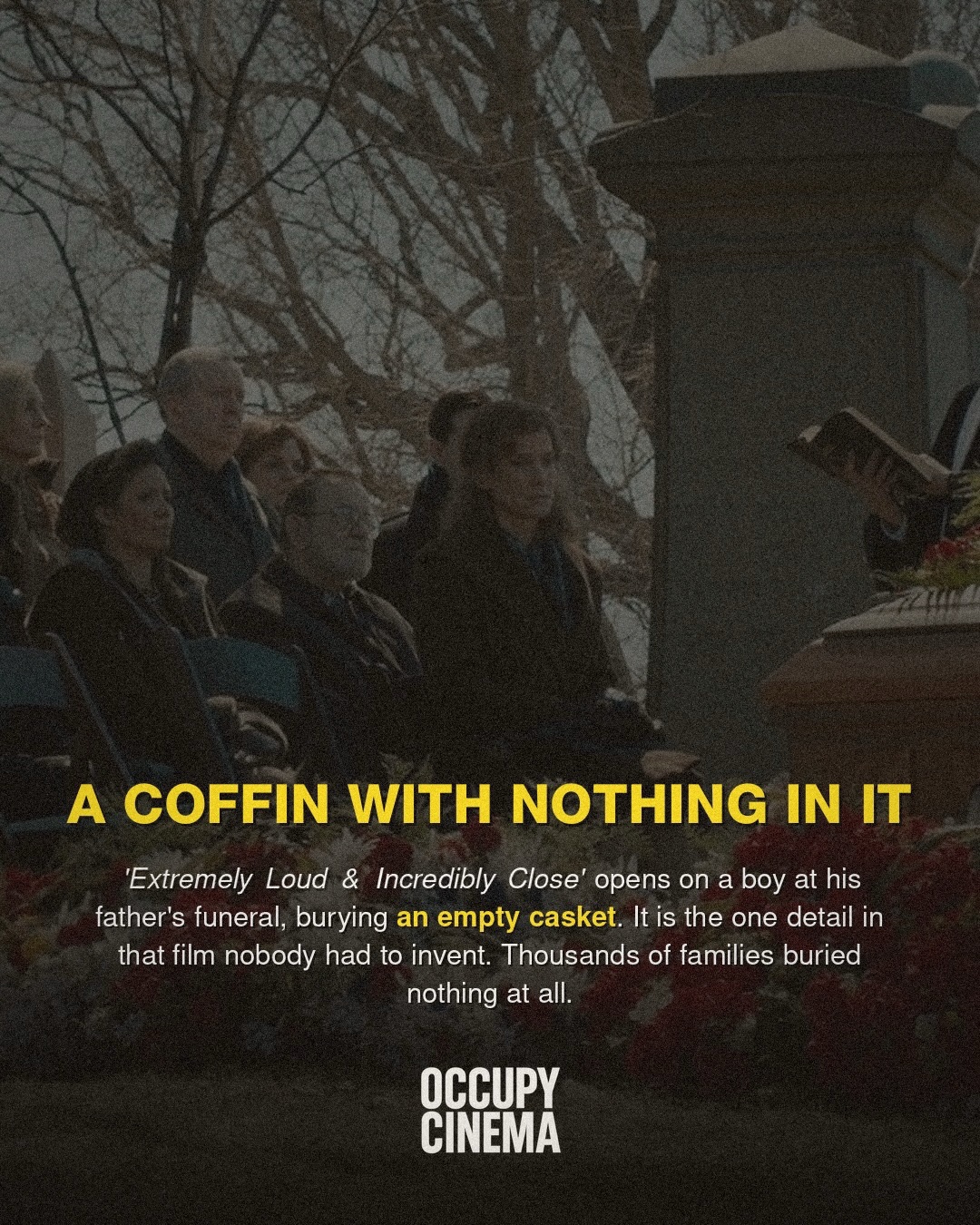
The human cost of 9/11 remains staggering. At the World Trade Center alone, 2,753 lives were lost. A haunting 1,099 individuals have never been identified, their remains still unrecovered. This stark reality underscores the profound impact of the attacks, an impact that extends beyond the immediate casualties to the families left behind. The film Extremely Loud & Incredibly Close, released years later, opened with a poignant detail that required no invention: a child burying an empty casket, a testament to the thousands who vanished without a trace, leaving an unfillable void.
World Trade Center, in its measured storytelling, became a significant part of the cinematic response to 9/11. It wasn't about answers or political statements; it was about bearing witness to an ordeal and celebrating the resolve of those who endured and those who served. The film's legacy lies in its earnest attempt to honor the victims and heroes, providing a human scale to an event of incomprehensible magnitude, and reminding us of the enduring power of hope amidst the rubble.