Occupy Cinema › Film News
The Hollywood Boulevard Machine: Why Jimmy Kimmel’s Contract Talks Shake the Film Junket
Rumors surrounding Jimmy Kimmel’s 2027 contract expiration highlight the shifting economics of late-night television and its crucial role in studio publicity.
By Occupy Cinema ·
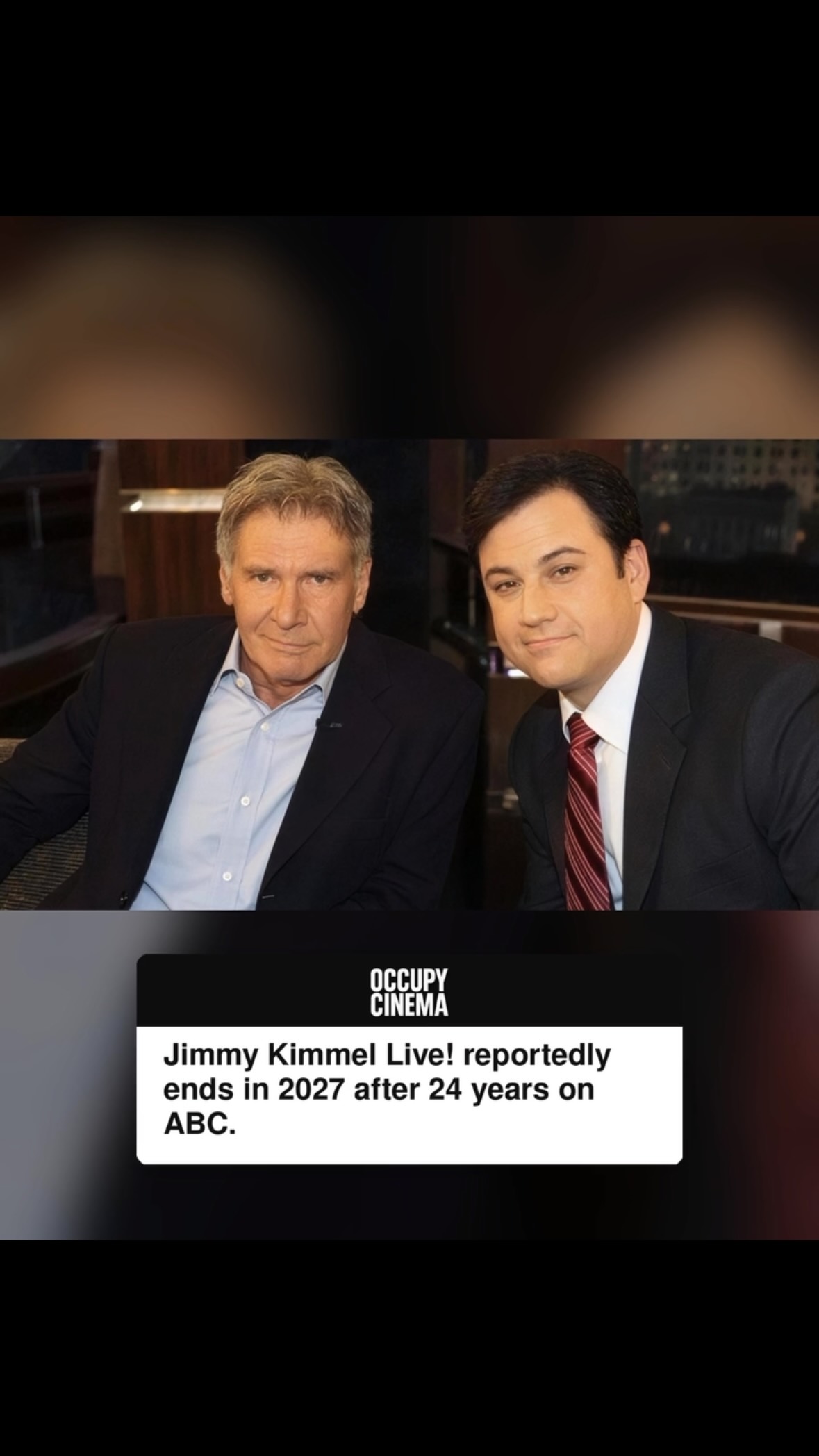
Late-night television was once the undisputed engine room of Hollywood publicity. For two decades, the formula remained steadfast: buy national airtime, book an eight-minute couch slot, show a 45-second film clip, and send moviegoers to theaters on Friday morning. Today, that linear pipeline faces structural erosion. When tabloid reports surfaced suggesting that ABC might not renew Jimmy Kimmel Live! upon the expiration of his contract in May 2027, the network swiftly pushed back, dismissing the narrative as speculative fiction. Yet the anxiety behind the rumor is entirely genuine. Linear viewership is dropping, production overhead remains punishingly high, and legacy studios are reassessing what these midnight hours actually yield at the domestic box office.
Kimmel’s perch at the El Capitan Entertainment Centre on Hollywood Boulevard is uniquely entangled with the studio system. Owned by Disney, the broadcast serves as the corporate home turf for marketing Marvel releases, Lucasfilm rollouts, and Walt Disney Studios tentpoles. Over a twenty-four-year run, Kimmel has held court with everyone from Harrison Ford and Meryl Streep to Pedro Pascal and Jacob Elordi. As covered extensively by trade outlets like The Hollywood Reporter, late-night broadcasts function as live billboards where awards campaigns and summer blockbusters intersect. Losing Kimmel, or radically transforming his format, disrupts the premier live-action billboard on the Disney ledger.
The Shrinking Margins of the Midnight Desk
The math underlying network late-night television has grown increasingly brutal. Producing a nightly hour of television in Los Angeles demands massive fixed costs, including a full union crew, a live house band, writing staffs, and talent hospitality suites. While flagship hosts historically commanded salaries between fifteen and twenty million dollars annually, linear ad rates no longer sustain those figures easily. Cord-cutting has hollowed out the traditional 11:35 PM live audience, migrating viewers instead to YouTube clips, TikTok recaps, and Instagram snippets that generate fractions of a cent on the dollar compared to traditional broadcast spots.
Competitors have already scaled back their operations in response to these balance sheets. CBS eliminated The Late Late Show franchise entirely when James Corden exited, replacing the high-cost variety format with lower-budget game show programming. NBC trimmed band budgets and production schedules across its late-night lineup. Kimmel remains one of the last broadcast titans standing alongside Jimmy Fallon and Stephen Colbert, but the structural realities of Disney’s belt-tightening make every long-term contract negotiation a high-stakes corporate calculation.
The Evolution of the Star-Making Machine
For decades, film directors understood that a late-night appearance was mandatory for theatrical survival. Filmmakers like Steven Spielberg and studio publicists routinely relied on the charisma of leading actors sitting across from a seasoned interviewer to establish mainstream relatability. When an actor like George Clooney or Viola Davis stepped onto the El Capitan stage, the conversation was carefully engineered to balance personal anecdote with the theatrical release calendar. Kimmel mastered that balance, leaning into sharp comedic bits and four successful stints hosting the Academy Awards to position his program as the official salon of Hollywood craft.
That monopoly has splintered. Studios now split promotional budgets across digital-native platforms, long-form podcast sit-downs, and viral food interviews that deliver targeted demographic reach without network restrictions. Industry trackers at Deadline note that while YouTube engagement expands a broadcast brand, it rarely replaces the broad, affluent demographic that tuning into network television delivers for adult-skewing prestige cinema. When awards season peaks each winter, studio marketing teams still prioritize Kimmel’s couch over nearly every digital alternative.
Whether Kimmel signs another multi-year extension or chooses to walk away when his current term ends, the ecosystem around his desk is irrevocably changed. Networks can no longer afford to treat late-night hours as automatic profit centers, and film studios cannot count on a single broadcast to ignite a national opening weekend. Kimmel’s longevity is testament to his ability to navigate corporate ownership, changing audience habits, and Hollywood’s relentless vanity. When the dust settles on his contract in 2027, the decision will not merely redefine ABC’s late-night programming; it will mark the formal closing chapter of broadcast television’s classic promotional era.
Related reading: The Star Machine (Jeanine Basinger).