Occupy Cinema › FEATURED
Victor Miller, Architect of Horror’s Indelible Franchise, Dies at 86
The screenwriter behind the original 'Friday the 13th' has passed, leaving an enduring legacy that reshaped the slasher genre and spawned a multi-generational cinematic phenomenon.
By Occupy Cinema ·
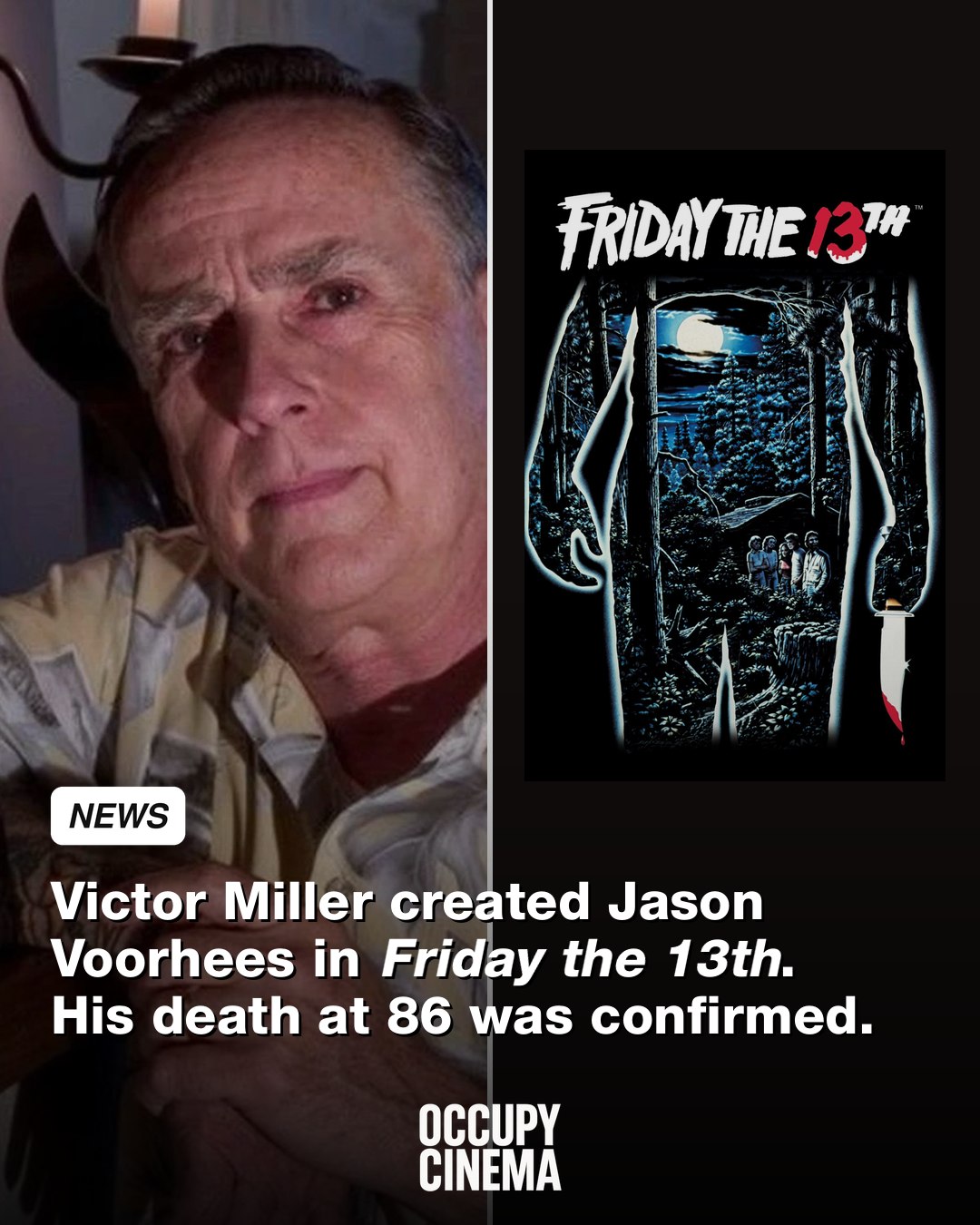
Victor Miller, the screenwriter whose vision ignited the Friday the 13th franchise, passed away on Monday in Alameda, California. He was 86. His son, Ian Miller, confirmed his death, though a cause was not disclosed. Miller's passing marks the end of an era for one of horror cinema's most influential and profitable architects, a figure whose foundational script in 1980 carved out a permanent niche in pop culture.
Miller's original screenplay for Friday the 13th introduced audiences to Camp Crystal Lake, the tormented Pamela Voorhees, and the enduring final girl Alice Hardy. Crucially, it also laid the groundwork for the eventual emergence of Jason Voorhees, a character who would become synonymous with the slasher genre itself. The film, produced on a shoestring budget of approximately $550,000, defied expectations to gross nearly $60 million worldwide upon its release. This remarkable return on investment not only validated the independent horror model but also signaled the dawn of a new, relentless franchise. Its success, alongside contemporaries like John Carpenter's John Carpenter's Halloween, solidified the slasher as a dominant force at the box office throughout the 1980s.
A Legacy Beyond the Lakeside
The financial triumph of Friday the 13th ensured its immediate replication. Paramount Pictures, recognizing the goldmine, quickly acquired distribution rights for the sequels, building an empire around Miller's initial concept. The franchise has since churned out 12 films, including the crossover Freddy vs. Jason and a 2009 remake, collectively grossing over $465 million globally against relatively modest budgets. Beyond the theatrical releases, the Crystal Lake saga expanded into video games, comic books, novels, and extensive merchandise, generating hundreds of millions more in ancillary revenue. This sustained commercial vitality over 46 years stands as a testament to the potent, primal fears Miller tapped into with his original narrative.
Miller's specific contributions to the franchise became a point of contention and legal battles for years. His fight to reclaim copyright ownership of the original screenplay, particularly concerning the characters he created, highlighted the complex and often contentious landscape of intellectual property in Hollywood. A landmark 2018 ruling affirmed his rights under the Copyright Act's termination provisions, a victory for screenwriters seeking to benefit from their original creations long after their initial release. This legal precedent underscored the significant value embedded in the foundational ideas of successful franchises, even decades later.
Crafting the Fear: Simplicity and Impact
The genius of Miller's script for Friday the 13th lay in its elegant simplicity and effective pacing. It eschewed complex backstories for relentless tension, focusing on a group of young counselors systematically stalked and murdered. The narrative structure, while now a genre trope, was then a fresh take on the burgeoning slasher formula, building suspense through isolation and the unknown identity of the killer. The film's practical effects, supervised by Tom Savini, complemented Miller's terrifying scenarios, delivering visceral shocks that resonated deeply with audiences.
While Jason Voorhees, with his iconic hockey mask, would become the face of the franchise, Miller's original vision centered on Pamela Voorhees, driven by maternal vengeance. This initial twist was a masterstroke, subverting expectations and providing a compelling, albeit tragic, motivation for the carnage. The pivot to Jason as the primary antagonist in subsequent films, while wildly successful, speaks to the adaptability and enduring appeal of the world Miller first conjured. His characters, even those intended for a single outing, possessed a raw, archetypal power that transcended their initial appearances.
Victor Miller's passing reminds the industry of the often-unseen hands that craft cinematic legacies. His work on Friday the 13th was not merely a screenplay; it was the genesis of a cultural touchstone, a blueprint for terror that continues to influence filmmakers and terrify audiences. The upcoming celebration of his life, fittingly held on Friday the 13th in November, will undoubtedly serve as a reflection on a career that profoundly shaped the landscape of horror cinema and the economics of genre filmmaking. His impact, both creatively and commercially, remains indelible.