Occupy Cinema › Business
Alamo Drafthouse Workers in Colorado Vote to Unionize Over Digital Ordering Rollout
Theater staff in Colorado join CWA Local 7777, protesting mobile ordering systems that undermine the chain's iconic no-phone policy.
By Occupy Cinema ·
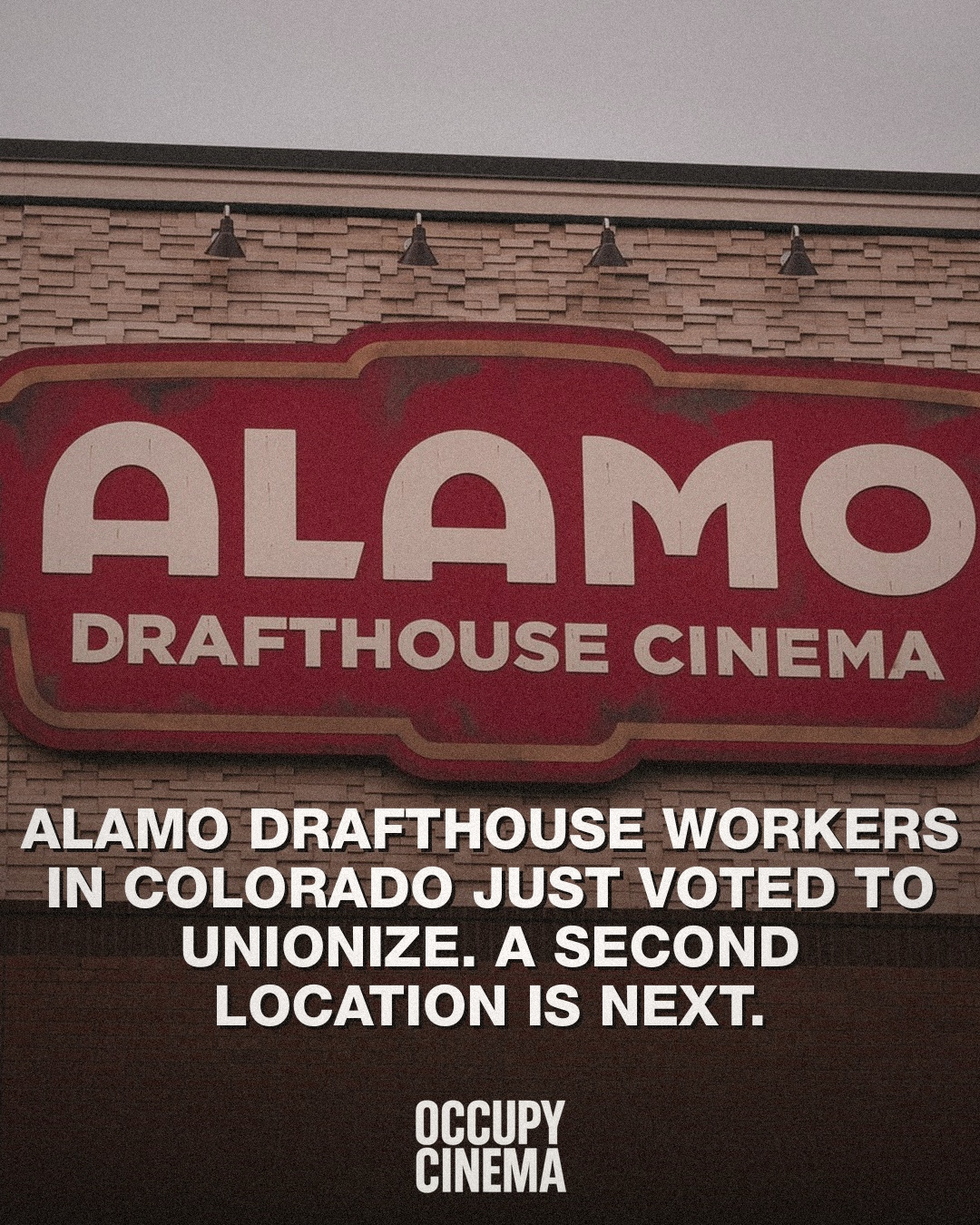
The front line of theatrical exhibition is shifting from the projection booth directly to the auditorium floor. Workers at an Alamo Drafthouse Cinema venue in Colorado have voted to unionize, aligning themselves with Communications Workers of America (CWA) Local 7777. The vote adds another pin to an expanding map of organized theater locations nationwide, following previous successful campaigns across multiple New York sites during the past two years.
The victory in Colorado represents a decisive stand by hourly staff against top-down operational decisions. Organizers cited the unilateral rollout of a digital QR code mobile ordering system as a primary catalyst for the drive. For an exhibition brand that built its national reputation on a zero-tolerance policy for phone usage during feature presentations, forcing patrons onto smartphone apps during screenings created immediate operational conflict. Floor staff found themselves enforcing strict etiquette rules while corporate systems incentivized guests to illuminate screens in the dark.
Tech Integration Meets Frontline Friction
Founded in Austin, Texas in 1997, Alamo Drafthouse established its brand identity on pristine presentation standards and curated cinema culture. High-profile directors like Quentin Tarantino and Richard Linklater regularly celebrated the circuit for protecting the theatrical space. Order slips written by hand and collected silently by floor runners allowed audiences to enjoy food and drink without breaking the cinematic spell. Moving toward app-based ordering disrupted that delicate balance, putting workers in the awkward position of managing customer frustration over ambient light pollution inside auditorium seats.
The labor movement coincides with major structural shifts at the top of the corporate hierarchy. In mid-2024, Sony Pictures Entertainment acquired Alamo Drafthouse Cinema, bringing the 35-location chain into the portfolio of a legacy Hollywood studio. As reported by Deadline, the acquisition marked a historic shift, putting a major distributor directly in charge of physical exhibition assets. While studio ownership promises corporate backing, hourly workers note that post-pandemic financial recovery has often meant leaner shift rosters and higher workloads without corresponding wage adjustments.
A Sector-Wide Push for Exhibition Labor
Organizers in Colorado indicate that a second location in the state is already preparing to hold its own union vote. This local momentum mirrors broader industry reporting from Variety and IndieWire, which detail an unprecedented surge in theater worker unionization. From independent art-house spaces to nationwide specialty circuits, hourly venue staff are increasingly partnering with labor organizations such as the CWA and IATSE to demand predictable scheduling, safer working conditions, and equitable pay rates.
The exhibition sector cannot survive on premium large formats and projection technology alone. The human infrastructure of a cinema determines whether moviegoers return or stay home with streaming platforms. When theater operators implement digital tools to cut labor costs, they risk degrading the specific customer experience that built brand loyalty in the first place. The unionization of Alamo Drafthouse workers in Colorado proves that frontline staff understand the value of their craft, and they are willing to organize to protect both their livelihood and the integrity of the theatrical experience.
Related reading: Aputure Amaran 200x S.