Occupy Cinema › FEATURED
Japanese Actress Yuri Nakamura Dead at 44, Leaving Behind a Legacy of Versatility
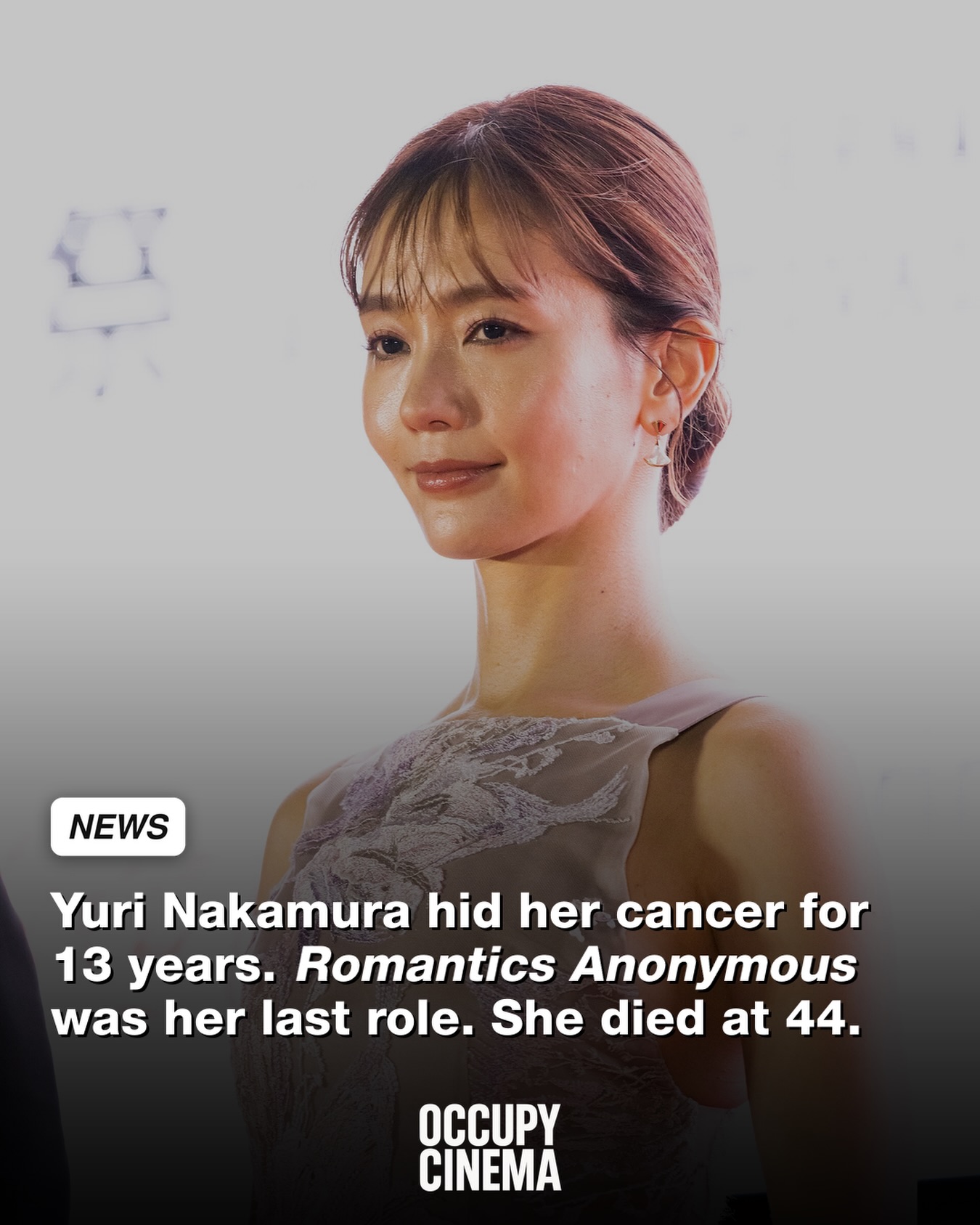
Veteran Japanese actress Yuri Nakamura, known for her diverse roles across film and television, has passed away at the age of 44. Her agency confirmed her death on September 14, following a private battle with cancer.
By Occupy Cinema ·
A Career Defined by Quiet Strength and Sudden Loss
Japanese actress Yuri Nakamura, a familiar face in the country's film and television landscape for over two decades, has died at 44. Her agency announced her passing on September 14, confirming that she had died on September 1. The news sent ripples through the entertainment industry, which had largely been unaware of her long-term health struggles. Born in Neyagawa, Osaka, in 1982, Nakamura built a career marked by understated performances and a versatility that allowed her to transition seamlessly between music and acting, ultimately establishing herself as a respected presence on screen.
Nakamura's journey into the public eye began not on a film set, but through music. She first gained recognition via the popular talent audition program ASAYAN, a platform that launched numerous careers in the late 1990s and early 2000s, including that of the iconic pop group Morning Musume. Nakamura leveraged this exposure to form half of the pop duo YURIMARI. The group found a dedicated following before disbanding in 1999, a common trajectory for many acts emerging from the intensely competitive Japanese music scene of the era. This early exposure to the rigors of performance and public life, however, laid foundational experience she would later draw upon in her acting career.
The transition from pop idol to serious actress is not always smooth, but Nakamura navigated it with quiet determination. She officially pivoted to acting in 2003, a move that would define the rest of her professional life. Her early roles often saw her in supporting capacities, allowing her to hone her craft away from intense scrutiny. This period was crucial for her development, enabling her to explore different character types and work alongside established directors and actors. It was a strategic build-up, rather than an overnight sensation, allowing her to cultivate a nuanced understanding of performance.
Her filmography steadily grew, encompassing a wide array of genres. Nakamura was not one to be typecast, moving from romantic dramas to thrillers, and period pieces to contemporary narratives. This willingness to embrace diverse roles speaks to a dedication to craft over celebrity, a trait often admired within the Japanese acting community. While not always in leading roles, her presence was consistently noted for its authenticity and depth, often elevating the material she was given. She built a reputation for bringing a subtle intensity to her characters, often conveying complex emotions with minimal fuss, a hallmark of many revered Japanese performers.
The revelation of her long-term battle with cancer adds a poignant layer to her public persona. It was disclosed that she had been treated for cancer approximately 13 years prior to her passing, a detail she had kept private throughout her career. This decision to maintain privacy regarding such a significant personal struggle is not uncommon among Japanese celebrities, who often prefer to keep their personal lives separate from their professional image, particularly when dealing with health issues. This discretion speaks to a cultural preference for stoicism and a desire to not burden fans with personal woes, allowing her work to speak for itself.
The Hidden Fight and Lingering Impact
Her health significantly deteriorated in recent years. The disease returned in January 2025, and metastasis was discovered after surgery. The timeline, as disclosed by her agency, paints a picture of a difficult final two years. An intestinal obstruction in August 2026 forced her withdrawal from an NHK drama, a clear indicator that her health had become too critical to continue working. This public withdrawal, while not revealing the full extent of her illness, was the first major signal to her audience that something was seriously amiss. For an actress known for her dedication, stepping away from a role would have been a profoundly difficult decision, underscoring the severity of her condition.
Nakamura’s final screen credit was Romantics Anonymous, a film that, for many, will now serve as a bittersweet reminder of her talent. This production, like many of her later works, showcased her mature acting prowess. The film garnered critical attention, particularly for its delicate handling of its subject matter, and Nakamura’s contribution was integral to its emotional core. Her ability to imbue characters with genuine humanity, even in often challenging circumstances, was a recurring theme in reviews of her performances. The fact that her final major work was a well-received project allows her career to conclude on a note of artistic integrity, leaving behind a body of work that will continue to be appreciated.
The entertainment industry has begun to react to the news, with many colleagues expressing shock and sadness. Tributes have started to appear on social media and in industry publications, reflecting on her professionalism, her quiet strength, and her memorable performances. Her passing at such a young age is a stark reminder of the often-unseen struggles faced by public figures, and the immense pressure under which they often operate. The decision to keep her illness private for so long highlights a personal resilience that underpinned her professional life.
Nakamura’s legacy will undoubtedly be remembered for her transition from a pop idol to a respected actress, a path less traveled but one she navigated with grace. Her diverse filmography, from supporting roles to more prominent turns in critically acclaimed projects, demonstrates a commitment to storytelling and character development. She may not have sought the brightest spotlight, but her consistent, compelling work earned her a place as an integral part of contemporary Japanese cinema and television. Her untimely death leaves a void, but her performances will continue to resonate, offering a testament to a career built on authenticity and quiet power.