Occupy Cinema › Box Office
The Missing Middle: Why Hollywood’s Box Office Problem Isn’t Just About Volume
The film business demands more theatrical releases, but filling screens with blockbusters and micro-budget genre movies won't save exhibition without the return of the mid-budget drama.
By Occupy Cinema ·
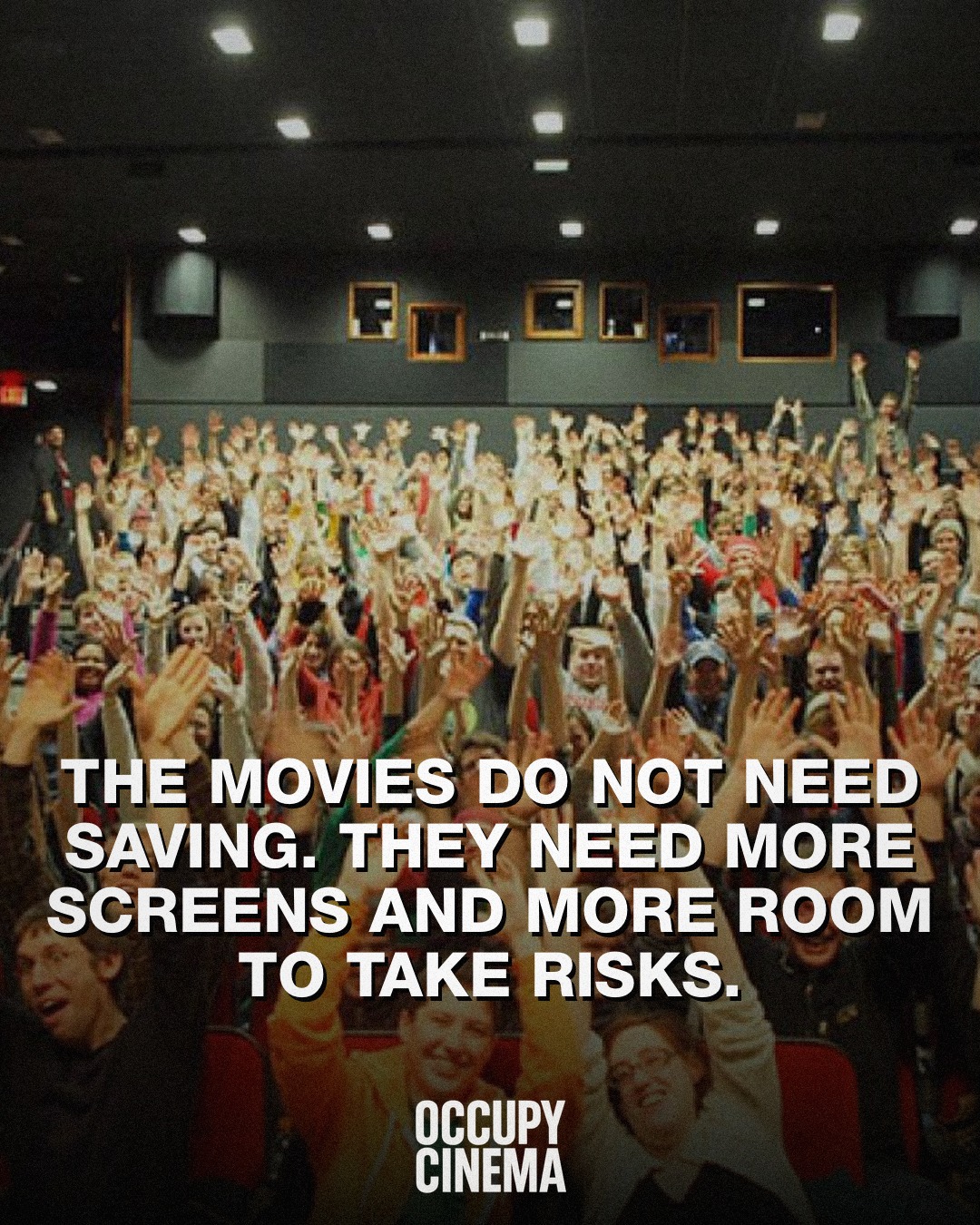
The film exhibition business is currently repeating a comforting lie. Whenever theater owners and studio executives gather at industry trade shows, the loudest chant from the floor is simple: give us more movies. That request is only half right. Supply matters, but product diversity and release strategy matter significantly more. The North American box office cannot sustain itself purely on a steady drip of two hundred million dollar comic book spectacles and micro budget horror movies. Without a healthy ecosystem in between, the theatrical experience is slowly turning into a seasonal event rather than a weekly habit.
Hollywood spent the last decade perfecting a barbell distribution strategy. On one end sit four hundred million dollar global franchise behemoths designed for IMAX screens. On the other end sit five million dollar high concept genre titles built for quick cost recovery. The thirty million to seventy million dollar adult drama, the original action thriller, and the mid budget comedy have effectively been exiled from studio slates. Directors like Steven Soderbergh and David Fincher once built entire studio careers in this space, creating grounded, star driven cinema that yielded steady domestic grosses. Today, those middle tier projects are routinely pushed to subscription streaming services, stripped of theatrical urgency, and buried in vast digital catalogs.
The Windowing Trap and Screen Shrinkage
The shrinking of the theatrical window has exacerbated the problem. Before the pandemic, studios adhered to a strict ninety day exclusivity window that allowed word of mouth to build over weeks. Today, that window frequently collapses to forty five days or even seventeen days for PVOD platform drops. According to coverage in Deadline, shorter windows have fundamentally altered consumer behavior. Audiences have been trained to view theatrical releases as temporary placeholders for home streaming. When a mid budget drama arrives in theaters without an enormous marketing push, viewers simply choose to wait three weeks to watch it on their living room televisions.
At the same time, the physical exhibition landscape continues to contract. Regional theater closures and bankruptcy proceedings across major exhibition chains have disproportionately stripped screens from mid sized suburban and rural markets. When independent circuits close or reduce screen counts, niche programming and original non franchise titles are the first to be dropped. According to reporting by IndieWire, distributors like A24 and Neon have managed to score hits with mid tier budgets, but their successes remain the exception rather than the industry standard.
A Structural Blueprint for Survival
Fixing the cinema ecosystem requires a two front correction. Studios must systematically reinvest in original titles budgeted between twenty million and sixty million dollars. These films act as the critical testing ground for emerging directing talent, original screenwriting, and new movie stars. High dynamic range digital projection, rich Dolby Atmos sound mixing, and wide physical lenses lose their artistic intent when confined to small home displays. Mid budget movies demand the focus and scale of a dark auditorium to create a lasting cultural footprint.
Crucially, exhibition needs protection. Studios must guarantee longer theatrical holdovers, giving original stories enough time in enough towns across the country to find their audience naturally. Theater owners cannot survive on blockbuster tentpoles alone, and audiences will not return to multiplexes if the choices remain limited to superhero sequels or cheap slasher flicks. Restoring the missing middle is not nostalgic idealism; it is a financial necessity for the long term survival of theatrical cinema.
Related reading: The Writers Journey.